
Business 115
Volvo to launch 13 new cars by 2030 in largest product push
In this issue
Business 115
Volvo to launch 13 new cars by 2030 in largest product push
Culture 105
Low-Mileage 2018 BMW M3 Competition with Individual Paint Heads to Auction
Economy 30
HMRC is writing to low earners about pension top-ups averaging about £70
News 126
Newsom Signs Jay Leno's Law Easing Smog Checks for Classic Cars
Politics 104
Reform UK's Welsh Leader Dan Thomas Resigns After Arrest on Suspicion of Assault
Sports 236
Toyota Unveils Hydrogen Fuel Cell Hilux for 2027 Dakar Rally
Technology 132
GWM Unveils Tank 300 Hooke Trail with Live Axle for Extreme Off-Roading
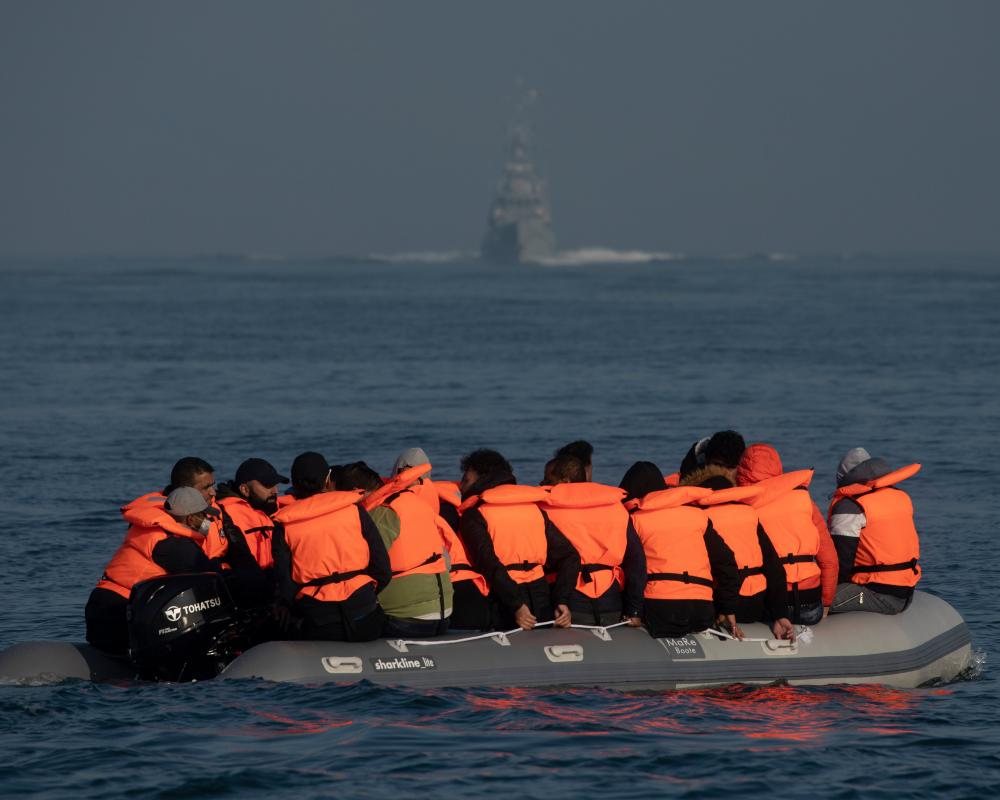
A retired Royal Navy commander has said Reform UK's proposal to use the military against Channel small boats lacks substance, as opponents accuse Nigel Farage's party of distraction.
By Edward Beaumont · 4 min read
A retired Royal Navy commander has criticised Reform UK's plan to use the military to stop small boats crossing the English Channel, saying the proposal lacks substance and that British warships would be better used countering actual military threats. The criticism came as Reform's political opponents accused the party of trying to distract from financial scandals surrounding its leader, Nigel Farage.
Reform UK, led by Farage, has put forward the proposal as a response to the continuing flow of small boats carrying migrants from France to Britain. Under the plan, which the party has branded «Operation Fortress», the Navy would intercept boats in the Channel and take those on board back to France. The party has called for what it describes as the largest military operation in the English Channel since the Second World War. Zia Yusuf, a senior Reform figure, has said France would have to accept migrants picked up by the Navy. The stated aim is to stop people making irregular Channel crossings before they reach the UK.
The retired commander said the proposal lacked substance and suggested that the UK's warships would be better used countering actual military threats. He argued that the Royal Navy's primary role was to defend the country against genuine military challenges rather than to become involved in intercepting migrant boats in the Channel. His comments directly challenged the idea that warships are the right tool for the task of stopping small boats in the Channel.
Reform's political opponents claimed the plans had more to do with distracting from the financial scandals surrounding Farage than with solving the small boats issue. The party has presented the policy as a tough response to irregular Channel crossings, but its critics say the announcement was designed to shift attention away from its leader's financial problems. This political battle over the purpose of the plan is now running alongside the debate about whether it would work in practice. The proposal has therefore become the subject of argument about both its effectiveness and its purpose.
The proposal would also see naval vessels tow boats back to France, under the banner of «Operation Fortress». Reform has said the operation would be the largest of its kind in the Channel since the Second World War, placing the Navy at the centre of efforts to deter crossings. People picked up while trying to reach the UK would be taken back to France rather than brought ashore in Britain, a central part of the plan's design.
Zia Yusuf insisted that France would have to take migrants if they were picked up by the Navy. The remarks set out the party's expectation that French authorities would accept those returned under the operation. That expectation is central to the proposal, since the plan depends on another country being willing to receive the people taken back by British naval vessels.
The row over the proposal reflects the wider political sensitivity of the small boats issue in Britain. Reform has sought to present itself as the party willing to take the toughest line on Channel crossings, while its opponents have responded by casting the plan as a distraction from the difficulties facing Farage. The former Navy officer's criticism adds a military voice to that political argument.