
Business 139
Stellantis Adds Flatbed Opel Vivaro with New 148hp Turbodiesel
In this issue
Business 139
Stellantis Adds Flatbed Opel Vivaro with New 148hp Turbodiesel
Culture 150
Max Mara champions understated elegance at Milan Fashion Week
Economy 33
Bitcoin and Ethereum Surge to Levels Last Seen in January
News 131
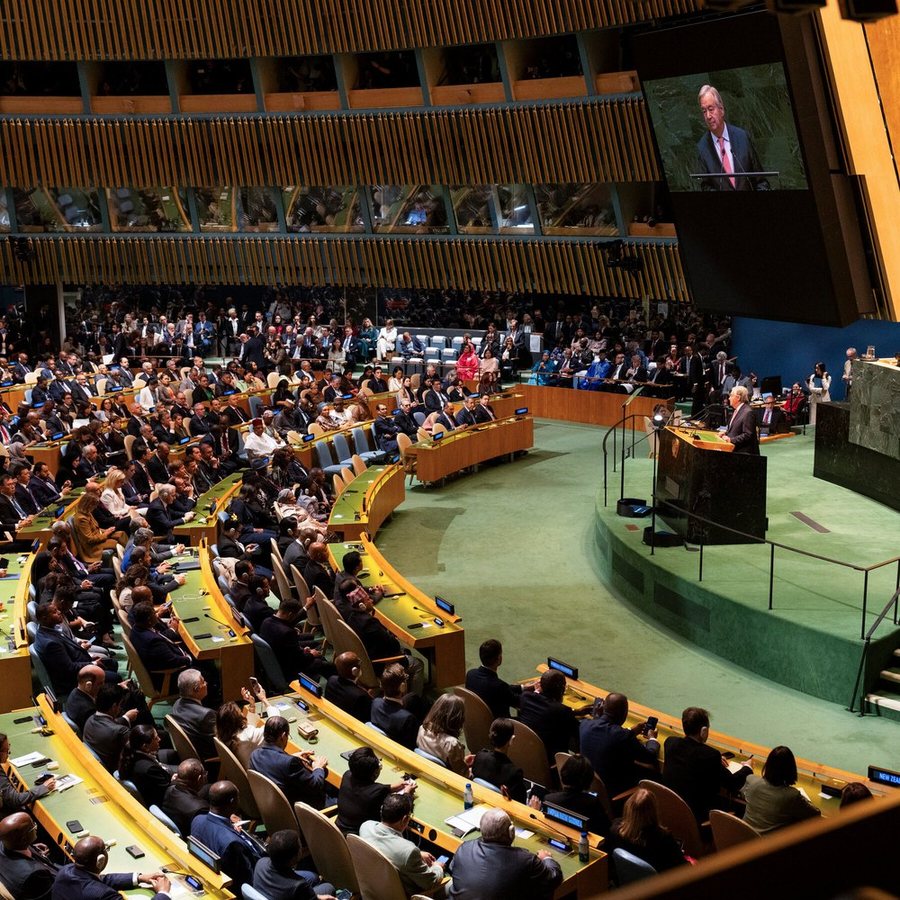
Trump Tells UN Iran Faces Choice Between Deal and Annihilation
Politics 106
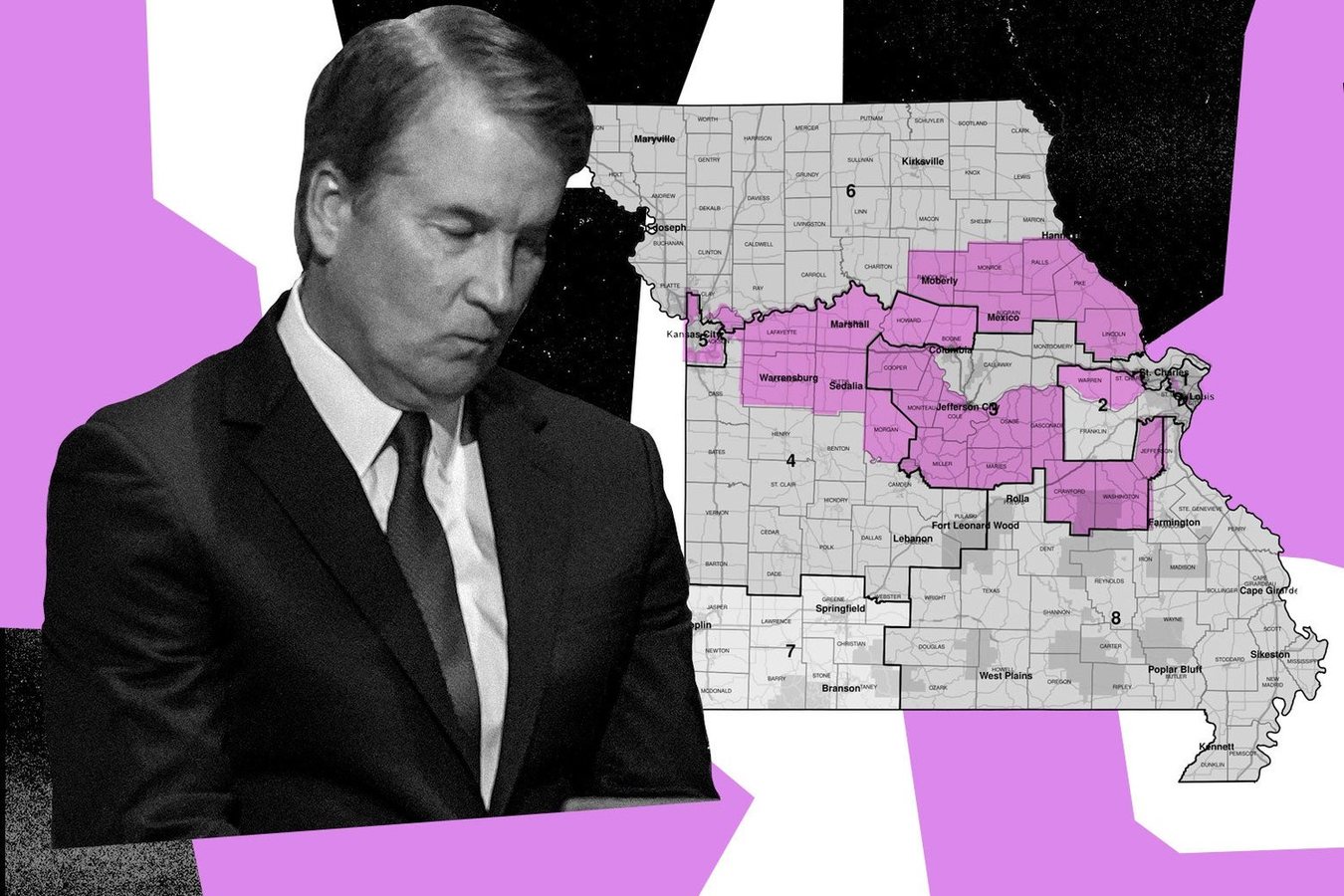
Republican Judges Defy Supreme Court in Missouri Redistricting Fight
Sports 245
MINI to Debut New Adventure SUV at Rebelle Rally
Technology 163
Chevrolet Builds Two Corvette Generations at Once for the First Time
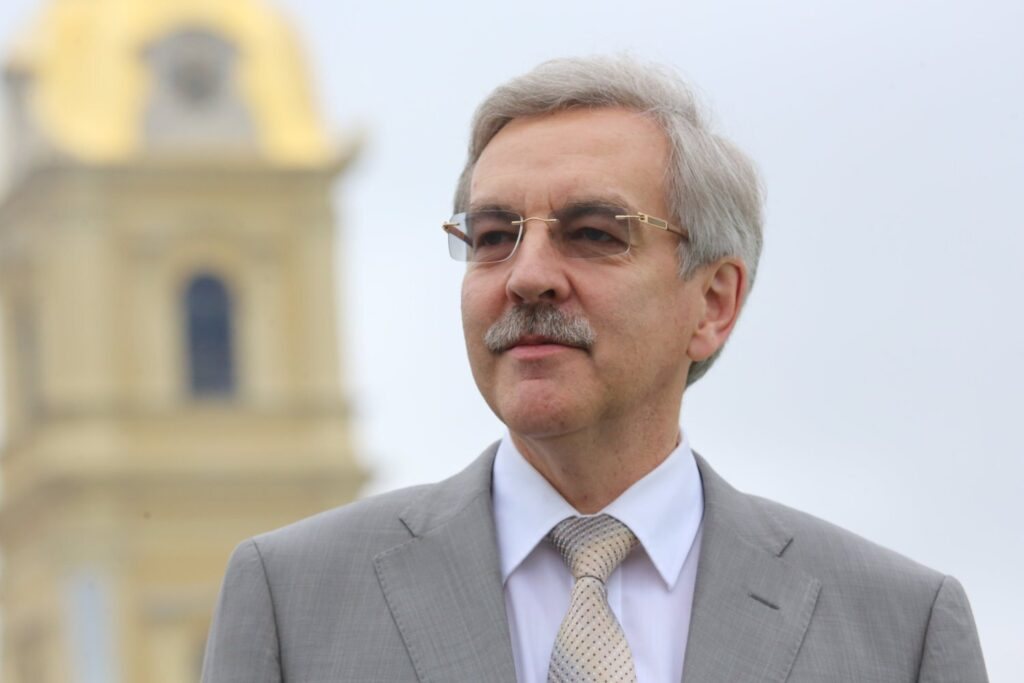
Yabloko remains on the federal ballot, but its chairman and other recognizable figures have been barred through fines, designations, and criminal cases.
By George Kensington · 5 min read
Leadership matters most when institutions are under pressure. Russia’s 2026 parliamentary campaign offers a stark example: the Yabloko party remains formally registered for the federal ballot, yet several of the people most capable of giving that party a national face have been excluded from running through separate legal proceedings.
The pattern is wider than Yabloko. Novaya Gazeta Europe documented at least 21 politicians by July 20 who faced “extremist symbols” cases carrying electoral consequences, according to Meduza. Fourteen were from Yabloko, four from the Communist Party, one from A Just Russia, and two were independents. The Telegraph reported on August 8 that the number had reached at least 23, though that updated figure could not be independently verified from primary records available to us.
The most striking detail is the mismatch between the fine and the consequence. In 18 of the 21 documented cases, politicians paid between 1,000 and 2,000 rubles. Yet the administrative finding means a one-year prohibition on standing for election. A penalty that looks trivial on a financial statement becomes decisive on a political calendar.
Nikolai Rybakov, Yabloko’s chairman, was fined 1,500 rubles over a condolence post after Alexey Navalny’s death. A court said the post displayed banned symbols. Rybakov fought the case through several levels of the judiciary, but Russia’s Supreme Court upheld the ruling on July 28. He remains the party’s leader, but he cannot be a candidate in the election he is helping to organize.
Alexander Shishlov, a veteran St. Petersburg politician and senior Yabloko official, faced the same fine over a Telegram repost of a 2023 interview. The city court rejected his appeal on July 15. Yabloko says at least 13 members have been punished under the administrative provision, while roughly 40 party figures have been prevented from standing on a broader range of grounds.
Then there is Maksim Kruglov. The party’s deputy chairman was sentenced in June to seven years in a penal colony over social-media posts about civilian deaths in Ukraine. Amnesty International described the sentence as punishment for antiwar speech and part of a wider campaign against Yabloko before the Duma election. The Times reported that eight Yabloko members were behind bars on cases it described as politically motivated.
The leadership problem is therefore cumulative. A party may still have a legal structure, offices and a place on the ballot, but experienced figures can be removed through administrative sanctions, criminal convictions, detention or the “foreign agent” designation. Boris Nadezhdin, an independent antiwar politician, was designated a foreign agent and later fined for sharing a link to a video containing a Navalny photograph, ending his path to a Duma candidacy.
It is important not to overstate the institutional picture. Yabloko itself has not been struck from the federal election. Russia’s Central Election Commission unanimously registered its list on July 29, with 269 candidates. The verified Supreme Court case involved Rybakov’s personal appeal, not an application to ban the whole party from the State Duma race. Regional contests are a separate matter; Yabloko’s list was denied registration in the St. Petersburg legislative election.
For anyone interested in leadership, this distinction is central. Organizations can survive legally while losing their most visible representatives. In business, a company may retain its charter while a board is hollowed out. In politics, a party may retain its name while the people with credibility, public recognition and institutional memory are kept from competing.
The broader context is a war entering another year and a domestic political system seeking predictability. The Telegraph links the intensifying pressure to fear of protest voting and economic strain. Meduza has reported that the presidential administration and United Russia are concerned about the unpredictability of public sentiment. Those accounts cannot prove why each prosecutor or judge acted, but they show why the removal of high-profile candidates has strategic value.
Russia’s September election is therefore not simply a contest of platforms. It is also a contest over who is allowed to embody an alternative. The authorities do not need to erase every opposition label to reduce risk. They can target the people who give those labels meaning. For leaders elsewhere, the lesson is uncomfortable but clear: institutions can be hollowed out one personnel decision at a time.
55