Business 116
Detroit's Big Three Push Back Against Trump's Chinese Car Invitation
In this issue
Business 116
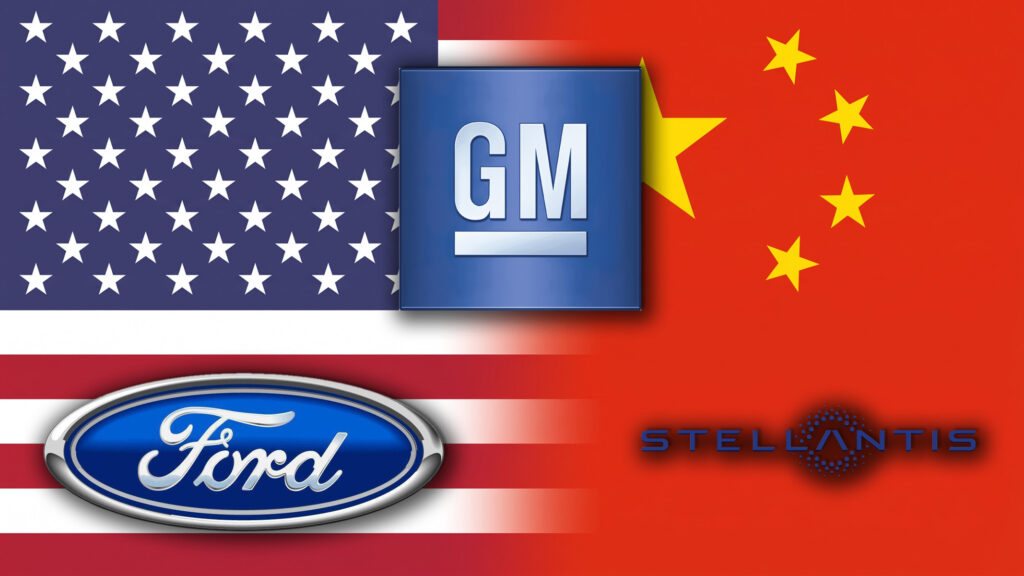
Detroit's Big Three Push Back Against Trump's Chinese Car Invitation
Culture 105
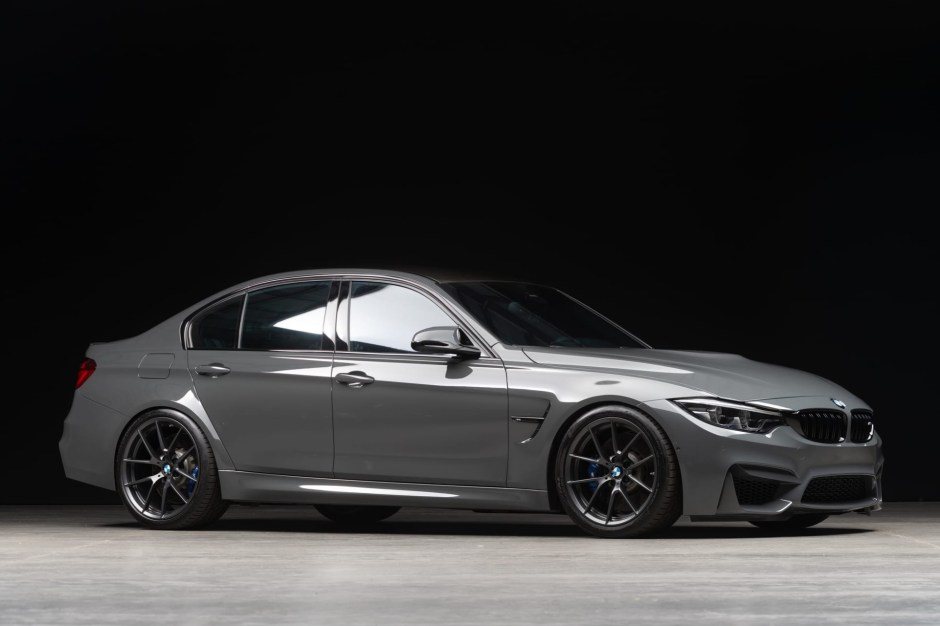
Low-Mileage 2018 BMW M3 Competition with Individual Paint Heads to Auction
Economy 30
HMRC is writing to low earners about pension top-ups averaging about £70
News 126
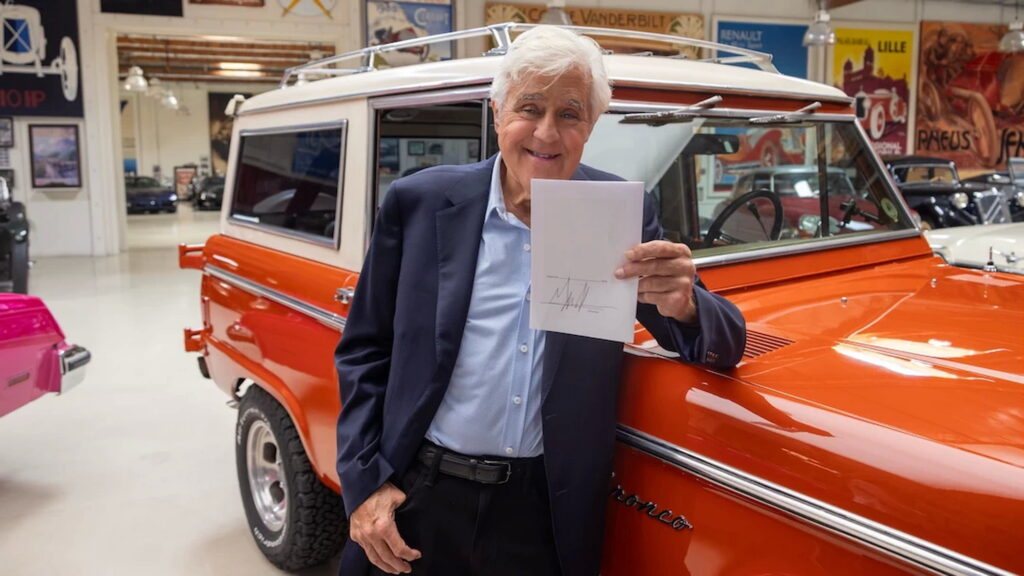
Newsom Signs Jay Leno's Law Easing Smog Checks for Classic Cars
Politics 104
Reform UK's Welsh Leader Dan Thomas Resigns After Arrest on Suspicion of Assault
Sports 236
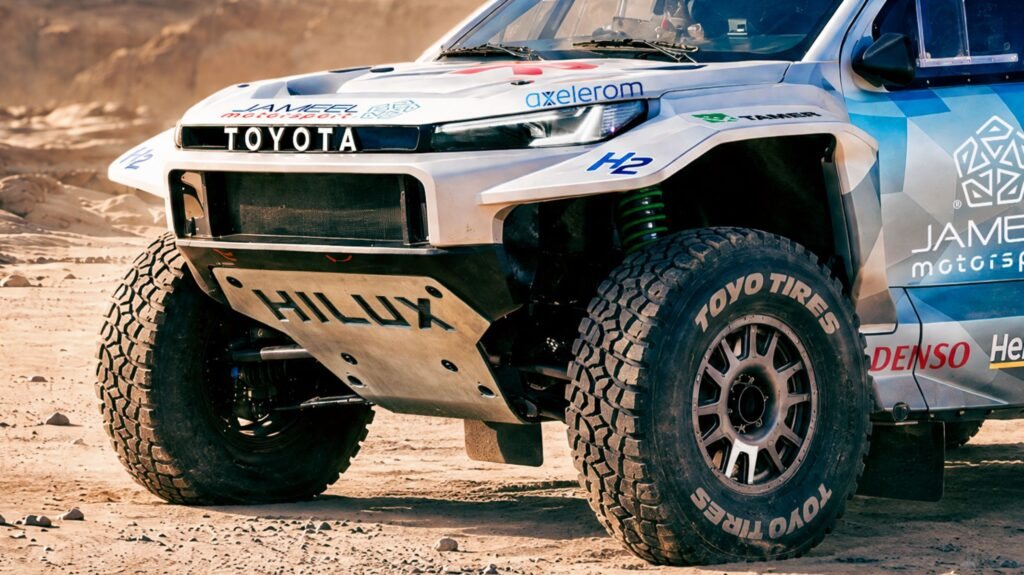
Toyota Unveils Hydrogen Fuel Cell Hilux for 2027 Dakar Rally
Technology 132
GWM Unveils Tank 300 Hooke Trail with Live Axle for Extreme Off-Roading
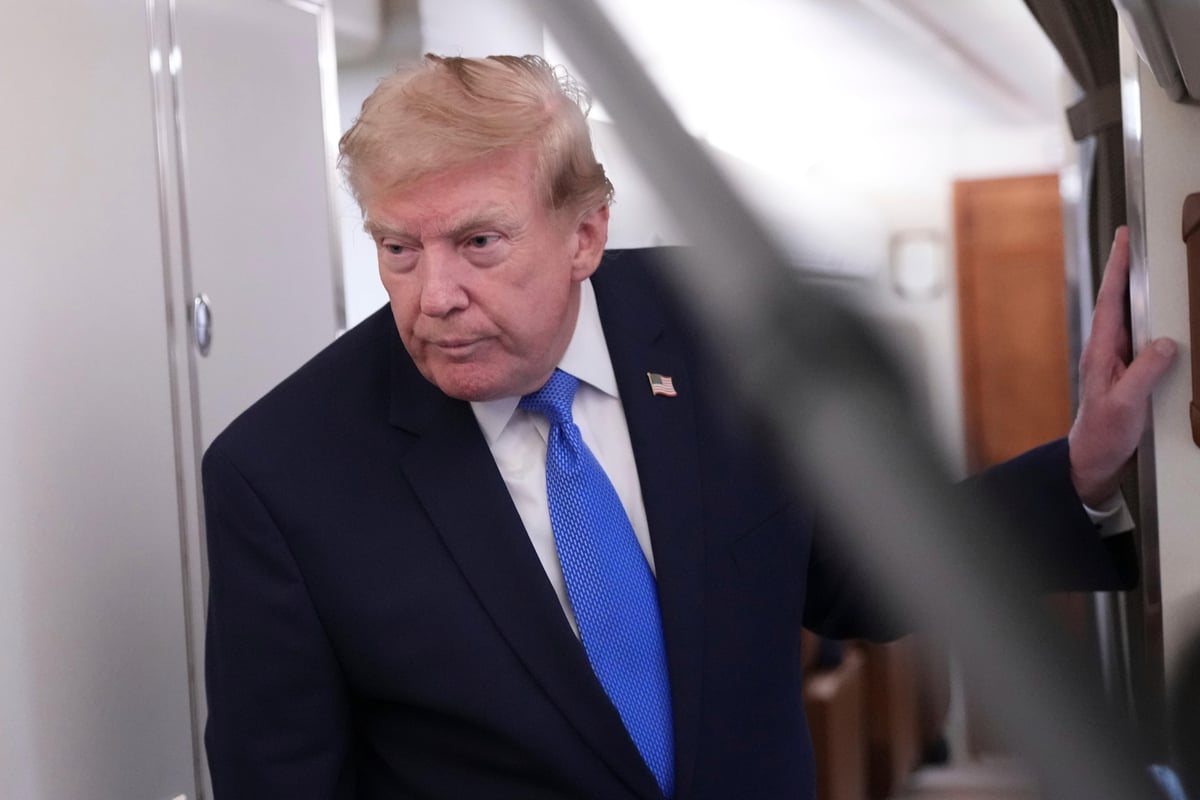
Donald Trump has accused Iran of being «unbelievably duplicitous» after Tehran denied that Middle East peace talks were taking place, warning that the US blockade will continue until there is a «deal or total surrender».
By George Kensington · 4 min read
Donald Trump has accused Iran of being «unbelievably duplicitous» after Tehran denied that negotiations aimed at ending the conflict in the Middle East were taking place. The US president said Washington's naval blockade would remain in force until there is a «deal or total surrender», signalling that the pressure campaign against the Islamic Republic will not be eased any time soon.
Writing on his Truth Social platform, Mr Trump criticised the Iranian government for what he described as its dishonest denial that peace discussions had been held. He insisted that talks were under way and that Tehran's refusal to acknowledge them amounted to «unbelievably duplicitous» behaviour. The message came after Iran publicly rejected American claims that the two sides had been negotiating, insisting instead that its discussions with Oman concerned the shipping route through the region and were not part of any peace process with Washington.
The president's latest outburst followed his disclosure that he had called off what he described as «the biggest attack since World War II». The remark, made as the military standoff in the region continued, underlined how close the two countries have come to direct confrontation and raised the temperature of a dispute that has spread well beyond the two capitals.
Iranian officials have consistently disputed the American account. Tehran says it is in negotiations with Oman over the shipping route and not with the United States, a denial that triggered the president's latest tirade. Mr Trump accused Iran of being deceitful in rejecting the claims that peace efforts were in motion, and of taking part in discussions while publicly denying they were happening.
The US naval blockade, a central part of the pressure campaign, will continue until Iran agrees to a deal or surrenders, Mr Trump said. His message appeared to rule out any immediate easing of the measures, even as Washington and Tehran offered conflicting accounts of whether negotiations were happening at all.
Already, the crisis is beginning to affect shipping. Six Saudi-flagged supertankers have changed course in the Gulf of Aden in recent days amid threats from the Iran-aligned Houthis, according to Reuters. The diversions are an early sign of the disruption the standoff could cause to maritime trade through one of the world's most vital waterways, where a large share of global oil shipments passes.
The confrontation is part of a broader Middle East crisis that has drawn in regional actors and raised concerns about the security of key energy routes. The Houthi threats show how easily the conflict could expand beyond its original focus, with commercial vessels already being rerouted to avoid the danger zone.
For now, there is no sign that the war of words is abating. Washington insists that the blockade will remain until Tehran changes course, while Iran continues to deny that it is engaged in any negotiations with the United States. With shipping being diverted and the military buildup continuing, the standoff shows few signs of being resolved quickly.