Business 115
Volvo to launch 13 new cars by 2030 in largest product push
In this issue
Business 115
Volvo to launch 13 new cars by 2030 in largest product push
Culture 100
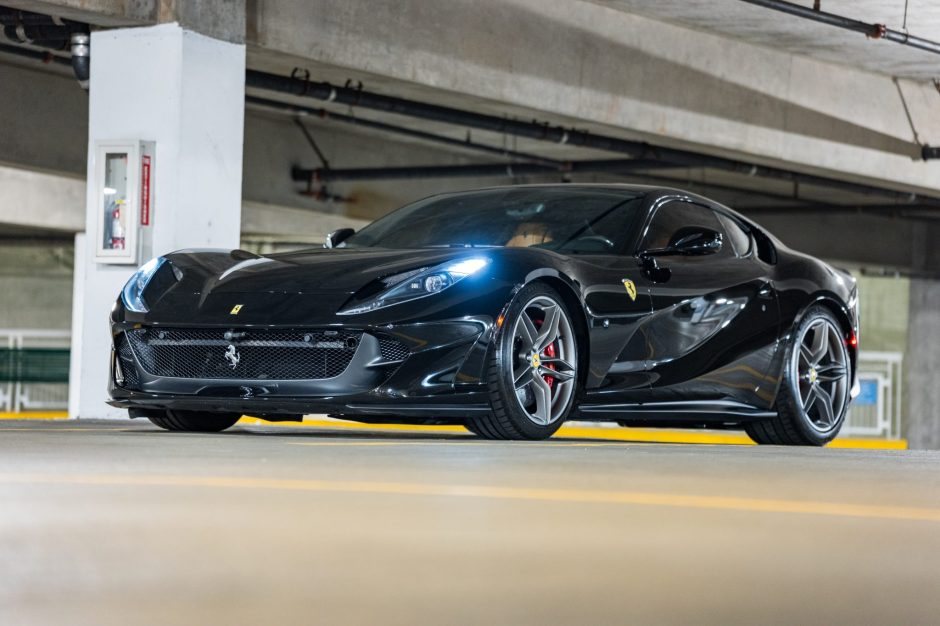
Ferrari 812 Superfast with £72k of options heads to auction
Economy 30
HMRC is writing to low earners about pension top-ups averaging about £70
News 125
Ministers Agree to Fully Fund Teachers' Pay Rise in England
Politics 104
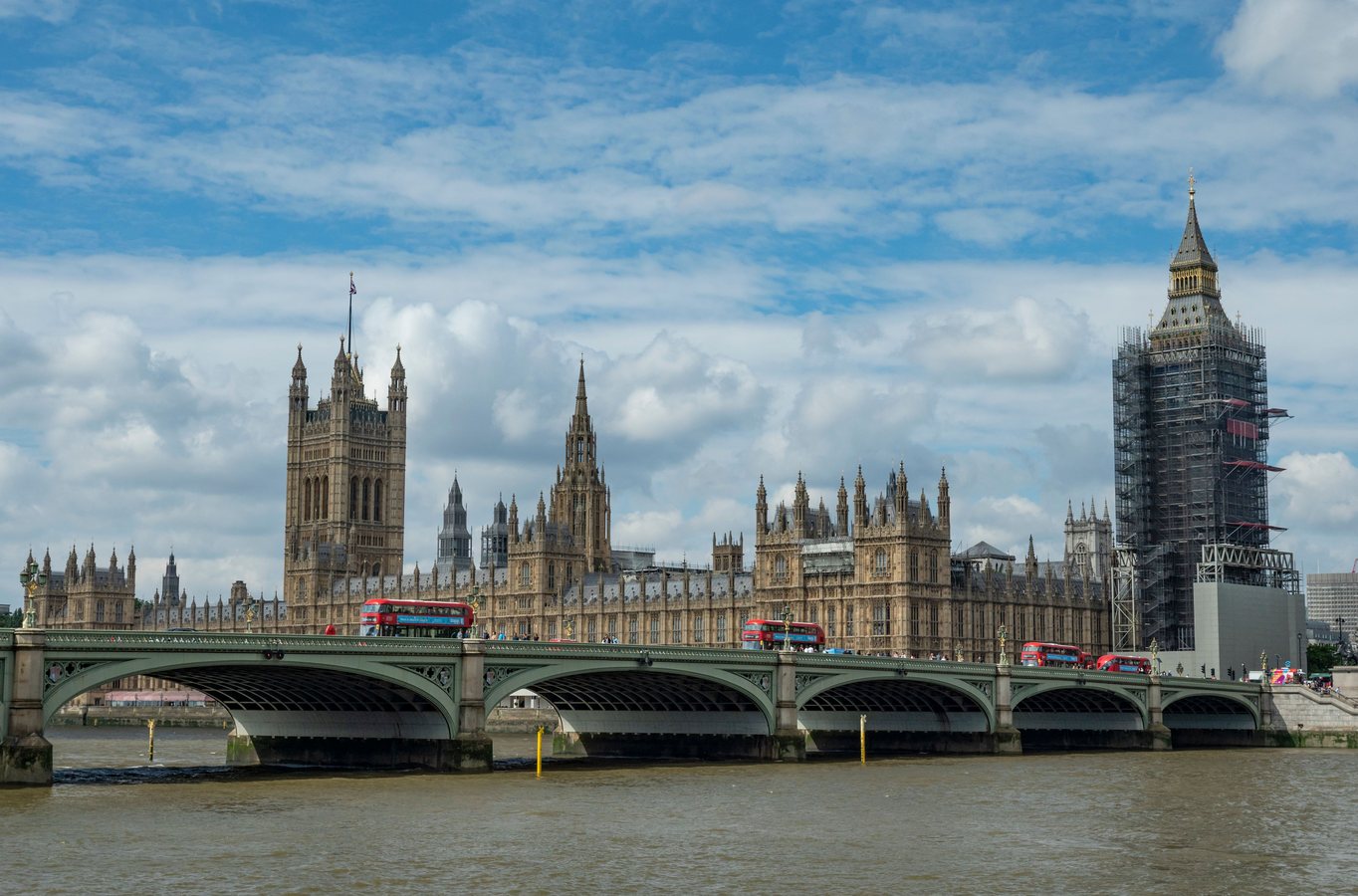
Reform UK's Welsh Leader Dan Thomas Resigns After Arrest on Suspicion of Assault
Sports 235
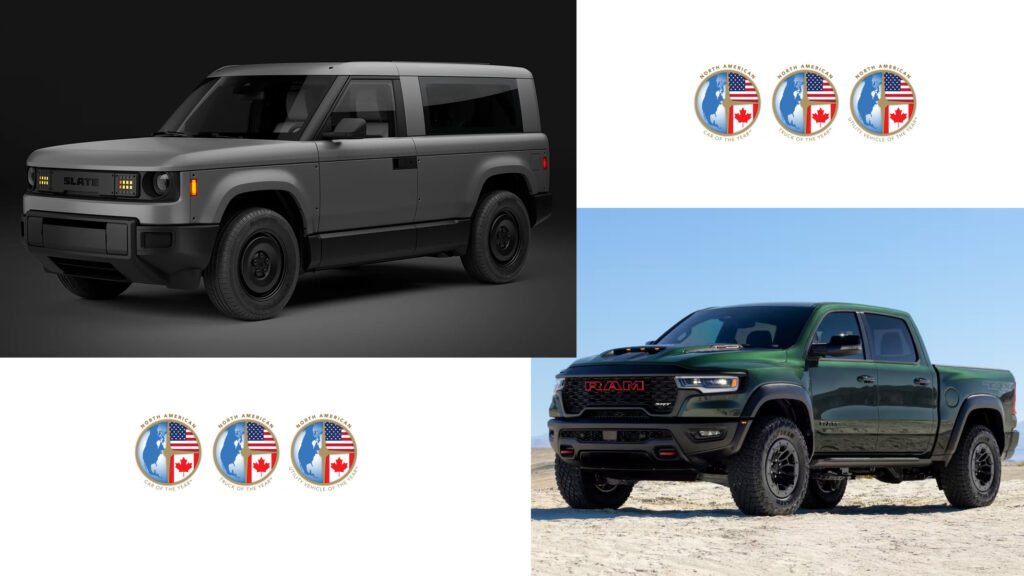
Preproduction Slate Truck Faces $103K Ram TRX in NACTOY Best of 2027 Contenders
Technology 128
Porsche Cayenne Electric Gains Powered Doors and Wireless Charging
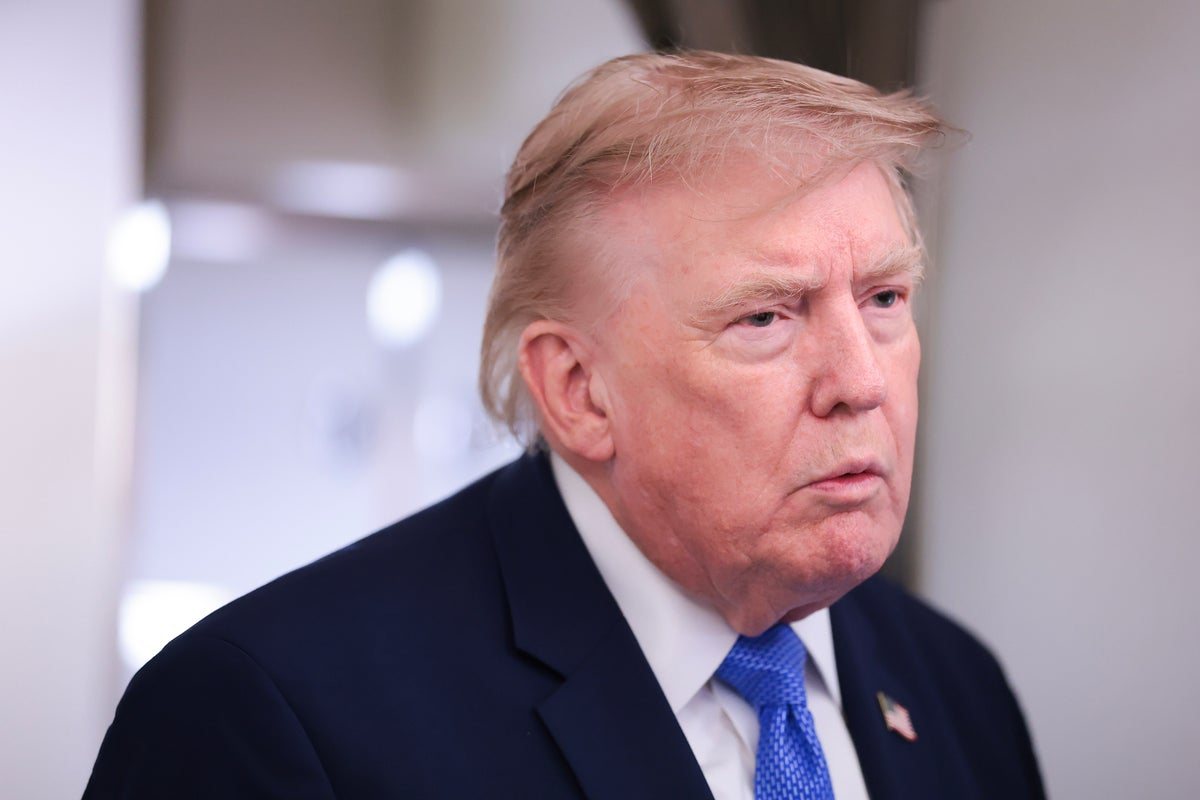
Donald Trump has confirmed talks with Iran will take place on Monday, while Iranian officials say they are close to an agreement with Oman over a new route through the Strait of Hormuz.
By George Kensington · 4 min read
Donald Trump has confirmed that talks between the United States and Iran are due to take place on Monday, as diplomatic efforts intensify over the future of the Strait of Hormuz and Tehran's nuclear programme. The US president declined to set a deadline for a deal and provided no details about where the meeting would be held or which officials would take part.
The announcement came after Trump said he had called off a planned attack on Iran in the hope of securing a rapid diplomatic solution. He said earlier that the US had been ready to strike but chose to pause after allies asked for a halt. «We were all set to go, but when the allies ask to call it off, you gotta sort of say: well, let's see,» he said. He has since voiced confidence that an agreement will be reached, telling reporters that a deal would include the reopening of the strategic waterway and address questions over Iran's nuclear capabilities.
Ahead of the talks, Trump said: «There will be a deal on Hormuz.» He has also insisted that an agreement on the denuclearisation of Iran is possible, though he has not spelled out the terms. The remark reflected his insistence that diplomacy can succeed where months of tension have failed. At the same time, he refused to be drawn on a timeline, saying that any eventual agreement needed to provide a lasting answer to the standoff.
In Tehran, Iranian officials said on Sunday that they were nearing an agreement with Oman on a new route through the Strait of Hormuz. The statement signalled that Omani mediators have been working behind the scenes to reduce the risk of confrontation, although full details of the proposed arrangement have not been published.
The fragility of the situation was underscored on the same day when a tanker in the area reported an explosion nearby. The United Kingdom Maritime Trade Operations Centre, which monitors security threats in the region, said the vessel and its crew were safe. The incident served as a reminder of the dangers facing shipping in a waterway that is vital to global energy trade.
Trump also spoke by phone with Saudi Arabia's Crown Prince Mohammed bin Salman, who expressed concerns about the possibility of the conflict escalating. The conversation highlighted the delicate balance Washington must manage as it seeks to reassure Gulf partners while pursuing talks with Tehran.
The president repeated his assertion that the cancelled operation would have been among the largest launched by the United States since the Second World War. He suggested that when allies ask for an attack to be called off, it is sensible to wait and give negotiations a chance. Yet he consistently avoided setting any fixed date for completing a deal.
The prospect of renewed US-Iranian engagement is being watched closely by governments and markets because of the strait's central role in the international oil trade. Any renewed disruption could have serious consequences far beyond the region. The involvement of Oman, combined with the concerns voiced by Saudi Arabia, indicates that regional powers are pressing for a de-escalation. Whether that pressure is enough to produce a signed agreement remains uncertain, but both Washington and Tehran have signalled that they are prepared to keep talking.