Business 140
BMW Chief Says China-Made iX3 Will Stay Profitable Despite Deep Price Cuts
In this issue
Business 140
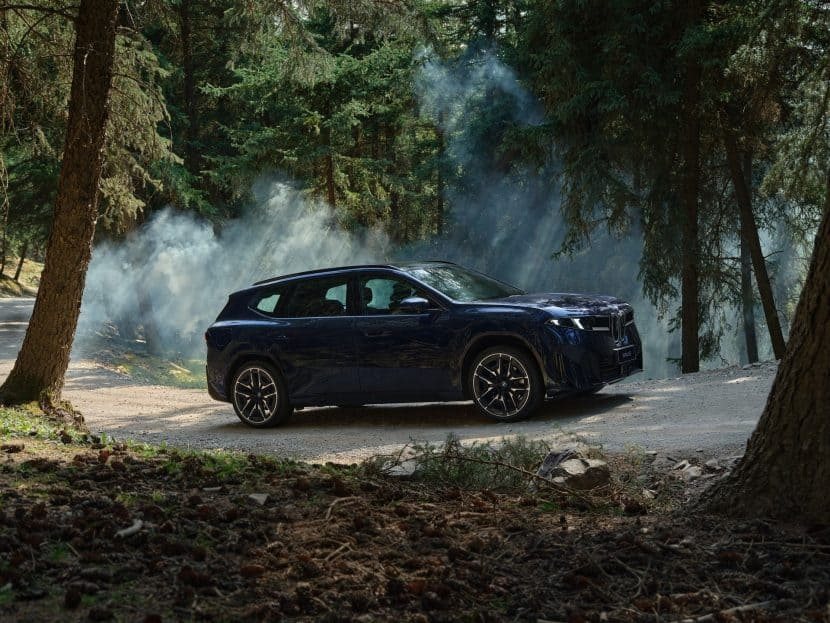
BMW Chief Says China-Made iX3 Will Stay Profitable Despite Deep Price Cuts
Culture 150
Max Mara champions understated elegance at Milan Fashion Week
Economy 33
Bitcoin and Ethereum Surge to Levels Last Seen in January
News 131
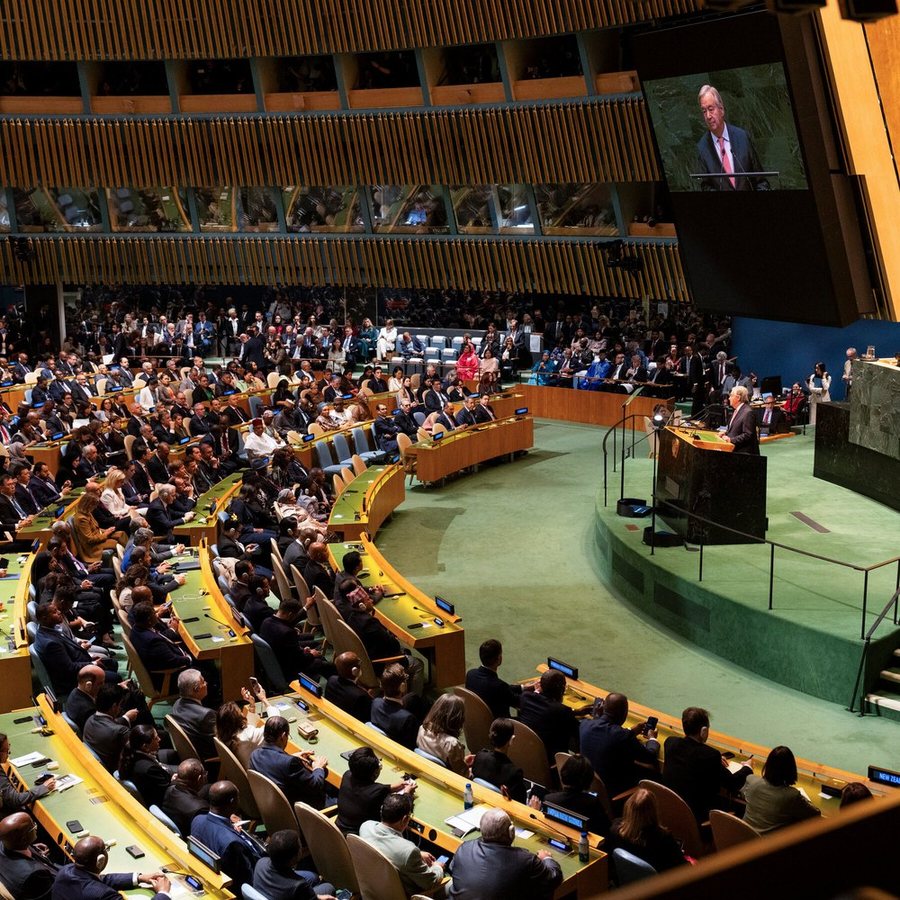
Trump Tells UN Iran Faces Choice Between Deal and Annihilation
Politics 107
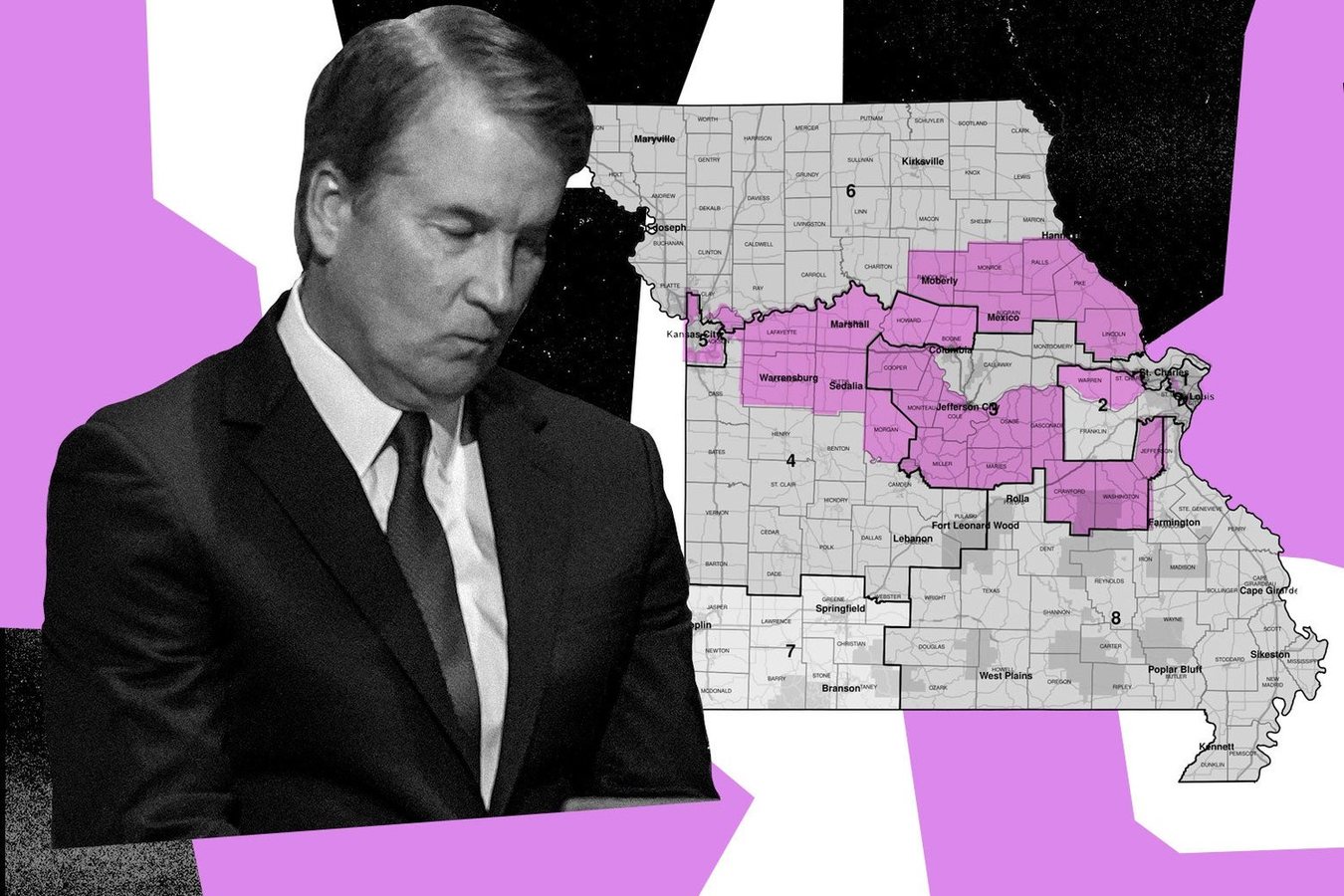
US Lawmakers Move to Permanently Ban Chinese Cars
Sports 245
MINI to Debut New Adventure SUV at Rebelle Rally
Technology 163
Chevrolet Builds Two Corvette Generations at Once for the First Time
A fully reopened strait offered Trump a visible result that did not require a nuclear deal. Iran’s tougher conditions now force a choice between waiting, conceding or escalating.
By Edward Beaumont · 6 min read
Leaders often prefer objectives they can point to. A nuclear agreement is dense, technical and vulnerable to argument over inspections and compliance. A reopened Strait of Hormuz is different: ships move, oil flows and the result can be seen. That helps explain why President Donald Trump had been moving toward Hormuz as a possible way to define victory in the Iran war.
The Wall Street Journal reports that U.S. officials said Trump privately floated the idea of leaving the conflict without a nuclear deal if Tehran fully reopened the strait. It was a pragmatic reduction of ambition: secure the most important immediate economic outcome and leave the hardest strategic dispute unresolved.
Iran has now made that reduction much harder. Its Supreme National Security Council said Saturday that full reopening requires the United States to stop threatening Iran, end the war against Iran and its allies, lift the naval blockade and withdraw military forces from around the country. Tehran also wants compensation for war damage, sanctions relief and frozen assets released.
That is a classic attempt to turn an opponent’s priority into negotiating leverage. Washington wants one result. Iran has attached six or seven larger issues to it. If Trump accepts the package, he risks looking as though a narrow maritime objective forced broad concessions. If he rejects it, the war and the uncertainty around Hormuz continue.
The strategic question is therefore patience. Trump told Axios on Sunday that the United States was “low-keying it” and only “semi-negotiating,” while pointing to Iran’s inflation and financial weakness. The administration is signaling that it can wait for economic pressure to deepen rather than rush into either a deal or another major offensive.
Iran is making the opposite bet. Gregory Brew of Eurasia Group told the Journal that Tehran believes Trump wants out and is focused on the strait. If Iranian leaders think the White House needs a visible outcome more urgently than they need sanctions relief, their rational move is to hold the line and raise the price.
Both views can be true at the same time. Iran is under heavy economic and military pressure. The United States is under pressure to stabilize energy markets and turn an open-ended conflict into a result. Strategy becomes the art of deciding which pressure matters sooner.
Hormuz magnifies that contest because it is not merely symbolic. EIA data show that 14.6 million barrels per day of crude oil and petroleum liquids moved through the strait in the first quarter of 2026. The figure had been about 20.7 million in the final quarter of 2025. Earlier disruptions contributed to sharp oil-price volatility.
Some traffic is already moving. Axios reports that a U.S. official estimates around 8 million barrels of oil leave the Gulf each day through the southern lane with U.S. military coordination. Iran and Oman are also close to a maritime-route arrangement, according to the Associated Press.
But Tehran insists that a route arrangement is not the same as full reopening. That distinction is strategically useful to Iran. It can permit enough flow to avoid maximum economic damage while retaining the political value of deciding when and under what conditions normal navigation returns.
Washington has its own leverage in the naval blockade, which it reinstated in July. Iran wants the blockade lifted. The United States wants the strait fully open. Each side is therefore asking the other to give up a pressure tool first.
This is where discipline matters for leadership. A government that changes its definition of victory every time negotiations stall can invite opponents to keep demanding more. But a government that refuses to adjust an unrealistic objective can trap itself in a war whose costs exceed its gains. The skill is to narrow aims without advertising desperation.
Trump’s Sunday tone appears designed to do exactly that. By saying the United States is not rushing and by highlighting Iran’s economic weakness, he is trying to reverse the impression that Washington needs an immediate deal. Whether Tehran believes him is another matter.
The next useful indicator will not be another grand statement. It will be the durability of actual shipping arrangements. If traffic rises steadily under a limited deal, the economic urgency could decline and both sides might gain more room to negotiate. If attacks or restrictions return, the political pressure on Washington will rise again.
A full peace agreement is not required for a strategic pause. But Trump’s original hope — open the strait, call it a win, and leave the nuclear issue unresolved — is no longer a simple transaction. Iran has turned it into a test of whether the United States can maintain pressure longer than Tehran can maintain disruption. That is a contest measured less by rhetoric than by time.
50