
Business 112
Kia EV9 Discounts Reach $16,000 as Sales Fall 33%
In this issue
Business 112
Kia EV9 Discounts Reach $16,000 as Sales Fall 33%
Culture 89
1988 Porsche 911 Carrera Targa G50 with Rebuilt Engine Heads to Auction
Economy 30
HMRC is writing to low earners about pension top-ups averaging about £70
News 124
Aftermarket Trackers Recover 99% of Stolen Cars as Factory Systems Fail
Politics 104
Reform UK's Welsh Leader Dan Thomas Resigns After Arrest on Suspicion of Assault
Sports 231
AMG GT Black Series Spied With Radical Aero Ahead of Nürburgring Record Attempt
Technology 121
2027 BMW X1 Arrives Unchanged With Small Price Rise Ahead of Facelift
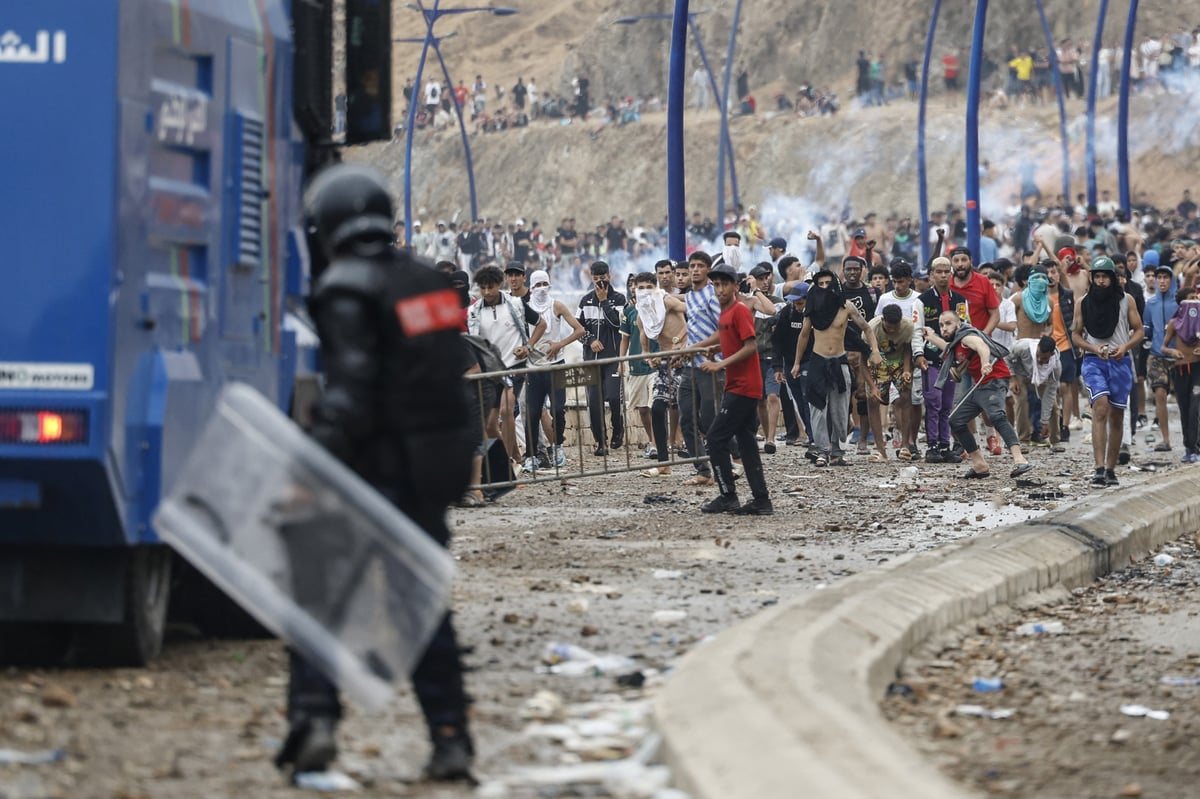
Around 60,000 migrants have entered the Spanish enclave of Ceuta from Morocco, prompting Spain to send in troops and the Spanish prime minister to call for urgent EU talks. UK ministers are under pressure to strengthen border controls, as Andy Burnham describes the situation as a «cause for concern».
By Edward Beaumont · 4 min read
The arrival of around 60,000 migrants in the Spanish enclave of Ceuta has triggered a major border crisis that is now reverberating across Europe, with Spain deploying troops to the north African territory and UK ministers facing growing pressure to strengthen border controls. At least 77 people are reported to have died during the mass crossing, while Spanish authorities say most of those who entered have already been returned to Morocco.
Ceuta, which shares a land border with Morocco and is separated from mainland Spain by the Strait of Gibraltar, was overwhelmed this week as thousands of migrants reached its shores. Many swam through the waters close to the Moroccan border to enter the enclave, while others crossed the frontier as Moroccan security forces deployed water cannon trucks at the crossing gates in an attempt to restore order.
Spain responded by sending military reinforcements to deal with the crisis, as the scale of the influx threatened to overwhelm local authorities in the enclave. The mounting death toll has added a sombre note to one of the largest border breaches seen in the area in years.
The Spanish Prime Minister, Pedro Sánchez, has called for an urgent meeting of European Union interior ministers, criticising what he called the «selfish, polarising and unlawful reaction» of some member states to the crisis. He confirmed that «virtually all» of the irregular migrants had been returned, «preventing any unauthorised onward movement towards continental Europe».
Sánchez's demand for a coordinated EU response reflects growing alarm among European governments about the potential knock-on effects of the mass crossing. His rebuke of member states highlighted tensions within the bloc over how to manage migration at its external borders, and over which countries should shoulder responsibility for those who arrive.
In Britain, the crisis has reignited the political debate over border security. Ministers are under pressure to reassure the public that the UK would not be exposed to similar pressures, and Andy Burnham, the Mayor of Greater Manchester, described the situation as a «cause for concern». His remarks come amid warnings that the UK should pay close attention to events on Europe's southern frontier.
Although most of the migrants are said to have been returned to Morocco, the episode has raised questions about how the European Union and its member states respond to sudden surges in migration. Ceuta's geographic position makes it a persistent flashpoint for people attempting to reach Europe, and the sheer scale of this week's crossing has tested both Spanish and EU border arrangements.
The emergency meeting requested by Sánchez is expected to focus on preventing a repeat of the crisis and on improving cooperation between EU states. The UK is not part of that EU mechanism, but the political fallout has nonetheless reached Westminster, where the events in Ceuta are being cited as evidence of the need for tougher border measures.
For now, the immediate pressure on Ceuta appears to be easing, with Spanish authorities reporting that the vast majority of those who crossed have been sent back to Morocco. But the political consequences are only beginning to unfold, as European leaders confront the challenge of managing migration flows and the UK government faces fresh questions about the resilience of its own borders.