Business 140
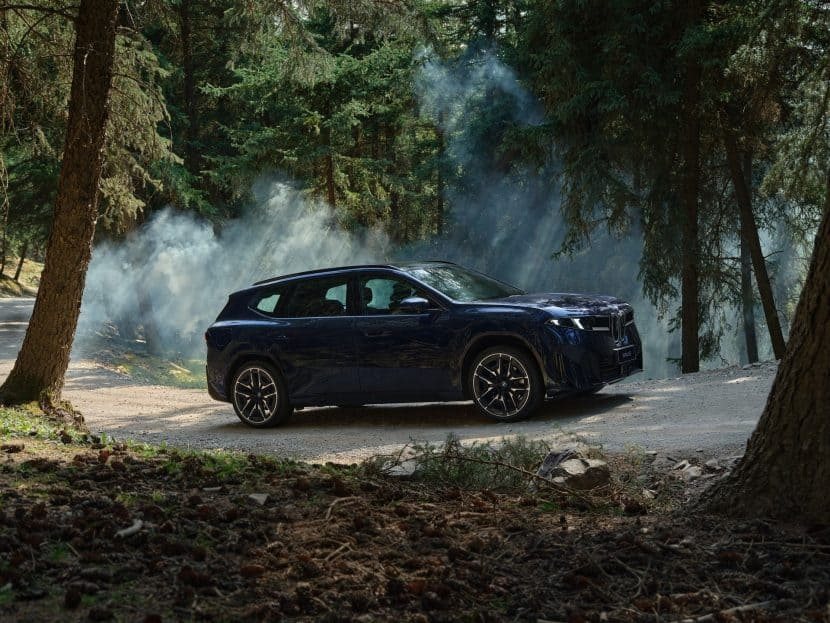
BMW Chief Says China-Made iX3 Will Stay Profitable Despite Deep Price Cuts
In this issue
Business 140
BMW Chief Says China-Made iX3 Will Stay Profitable Despite Deep Price Cuts
Culture 150
Max Mara champions understated elegance at Milan Fashion Week
Economy 33
Bitcoin and Ethereum Surge to Levels Last Seen in January
News 131
Trump Tells UN Iran Faces Choice Between Deal and Annihilation
Politics 107
US Lawmakers Move to Permanently Ban Chinese Cars
Sports 245
MINI to Debut New Adventure SUV at Rebelle Rally
Technology 163
Chevrolet Builds Two Corvette Generations at Once for the First Time
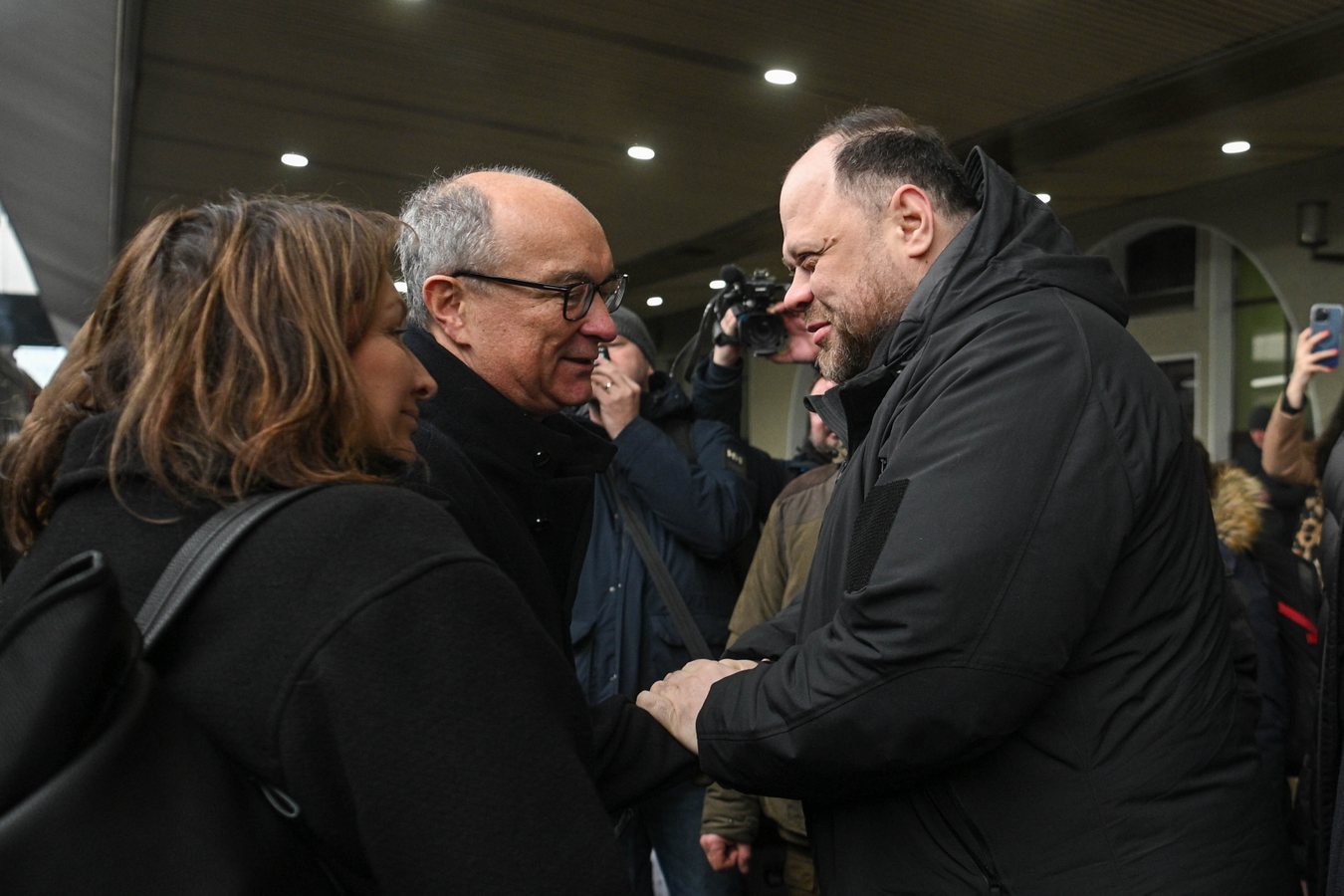
The Polish speaker wants historical recognition without abandoning Ukraine’s membership. The challenge for leaders on both sides is to negotiate memory without destroying strategic trust.
By George Kensington · 5 min read
The hardest political choices are often the ones in which both sides can identify a legitimate interest and still find the available language unacceptable. Poland and Ukraine are entering that kind of dispute over Volhynia, and EU accession has raised the stakes.
On August 10, Polish Sejm Speaker Włodzimierz Czarzasty said after meeting Ukrainian parliament chairman Ruslan Stefanchuk that Ukraine’s road to the European Union should include a reckoning with its history and recognition of what Poland describes as genocide against Poles in Volhynia.
Czarzasty also said he supports Ukraine joining the EU. That makes his position more demanding, not necessarily more hostile: Poland should help bring Ukraine into Europe, he argues, but not at the price of avoiding a historical issue that has become central to Polish public memory.
The current dispute is therefore a leadership problem before it is a legal one. The EU has not introduced a special Volhynia clause into its accession criteria. Ukraine is already negotiating and has opened two of six clusters. Yet membership requires unanimous approval from the member states, so Poland retains the ability to make historical questions politically consequential.
Polish leaders operate under a strong domestic consensus. On July 17, the Sejm voted 441-0 for a resolution that described crimes committed by Ukrainian nationalists against Polish civilians as genocide. Any Polish politician seeking compromise with Kyiv has to work inside that reality.
Ukrainian leaders face a different constraint. They are being asked to adjust national memory policy during a war, when historical symbols are closely tied to identity, resistance and state legitimacy. A concession made under visible foreign pressure can be harder to sustain domestically than the same conclusion reached through research, exhumations and public debate.
That is why practical work matters. The Ukrainian Institute of National Memory announced exhumation-related research in Ostrivky and Volia Ostrovetska in Volyn in July and early August. Locating graves and enabling dignified reburial does not settle every argument about terminology, but it provides a concrete basis for trust.
Czarzasty’s record suggests he understands the strategic side of the balance. In February he signed a declaration with Stefanchuk backing Ukraine’s EU membership. In June he called that membership a vital Polish interest. His latest comments make clear that he now believes the historical dispute must be dealt with rather than postponed.
The setting in Szczawnica made the contradiction visible. The two parliamentary leaders were visiting Ukrainian children affected by the war. Poland can simultaneously help Ukrainians in the present and demand a more explicit reckoning with violence committed in the past. Mature diplomacy has to hold both facts without using one to cancel the other.
Leadership will also require resisting an easy domestic reward: escalation. Czarzasty warned about worsening relations between Poles and Ukrainians, condemned mistreatment on both sides and called for rebuilding trust through permanent parliamentary communication.
For Kyiv, the best response is unlikely to be either blanket rejection or hurried symbolic surrender. A durable approach would combine archival access, professional historical work, exhumations, memorialization and a political vocabulary that can recognize victims and responsibility without assigning inherited guilt to present-day Ukrainians.
For Warsaw, leverage should be used to obtain truth and dignity for victims, not to create an endlessly moving condition that no Ukrainian government could satisfy. Poland has a strategic interest in a stable, European Ukraine, a position Czarzasty himself has repeatedly stated.
This is why the Volhynia dispute has become a measure of political maturity. The question is not simply who wins the argument over one word. It is whether leaders can build a settlement strong enough to survive domestic criticism on both sides and still preserve the strategic partnership that Europe’s security increasingly depends on.
63