Business 139
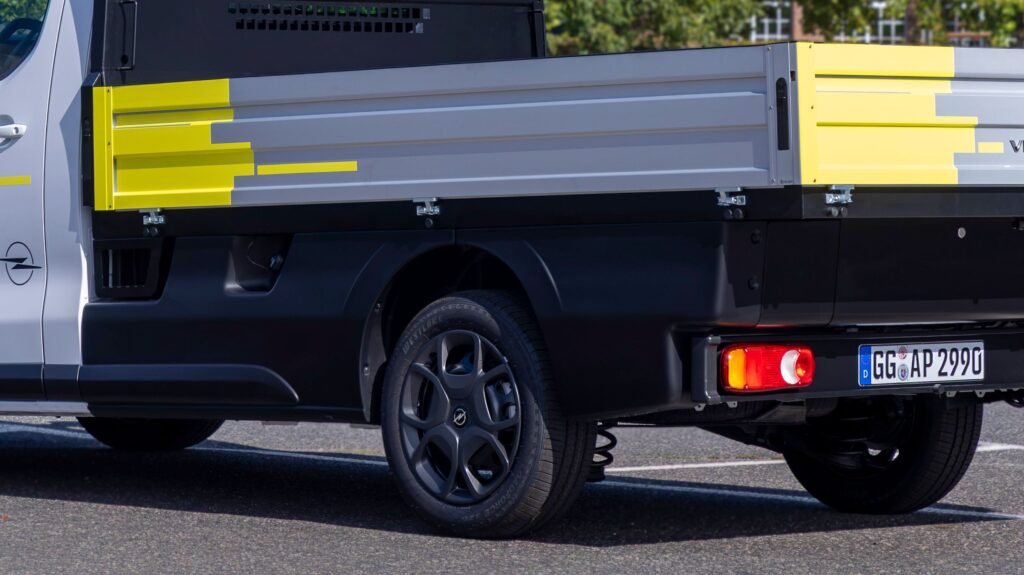
Stellantis Adds Flatbed Opel Vivaro with New 148hp Turbodiesel
In this issue
Business 139
Stellantis Adds Flatbed Opel Vivaro with New 148hp Turbodiesel
Culture 150
Max Mara champions understated elegance at Milan Fashion Week
Economy 33
Bitcoin and Ethereum Surge to Levels Last Seen in January
News 131
Trump Tells UN Iran Faces Choice Between Deal and Annihilation
Politics 106
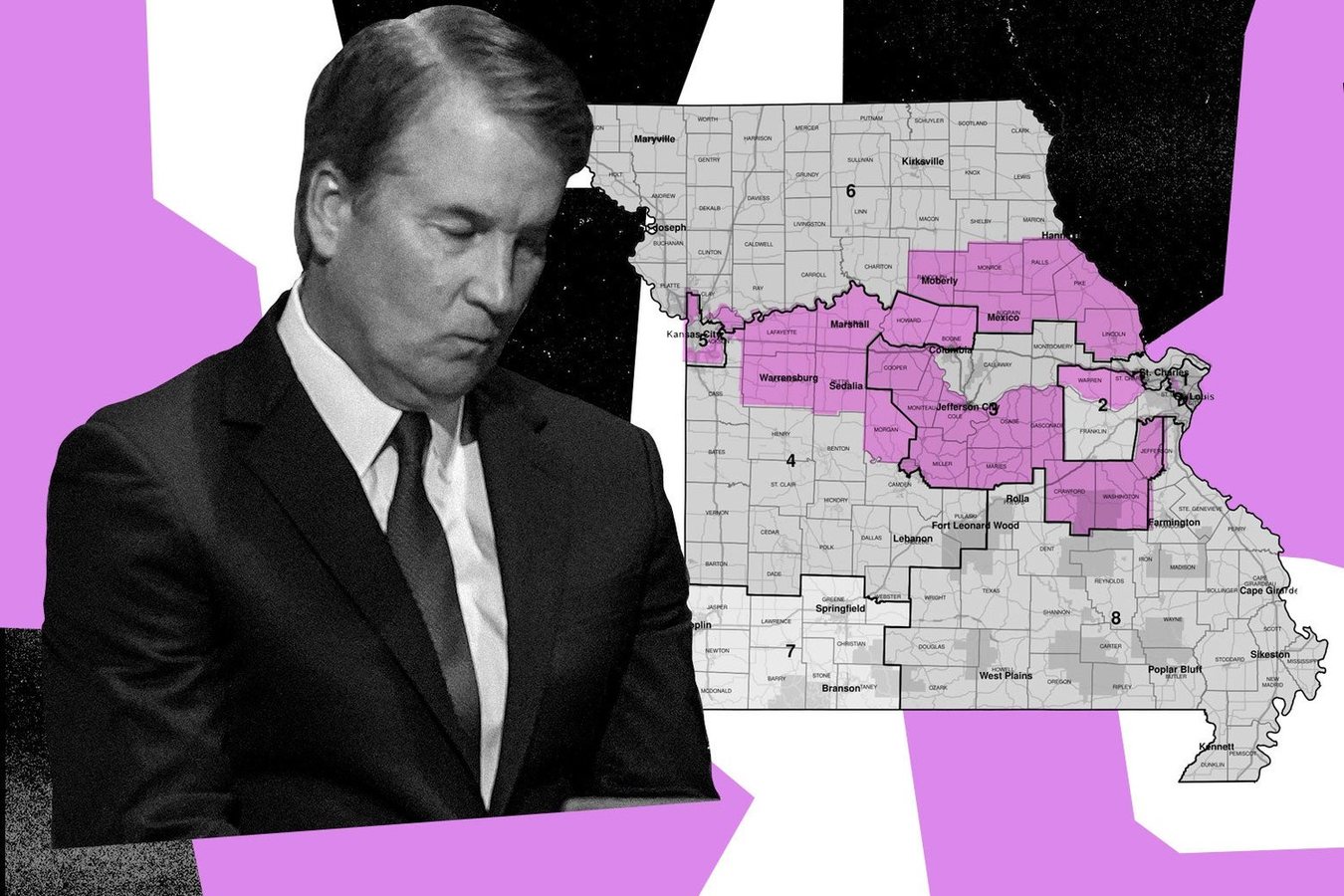
Republican Judges Defy Supreme Court in Missouri Redistricting Fight
Sports 245
MINI to Debut New Adventure SUV at Rebelle Rally
Technology 163
Chevrolet Builds Two Corvette Generations at Once for the First Time
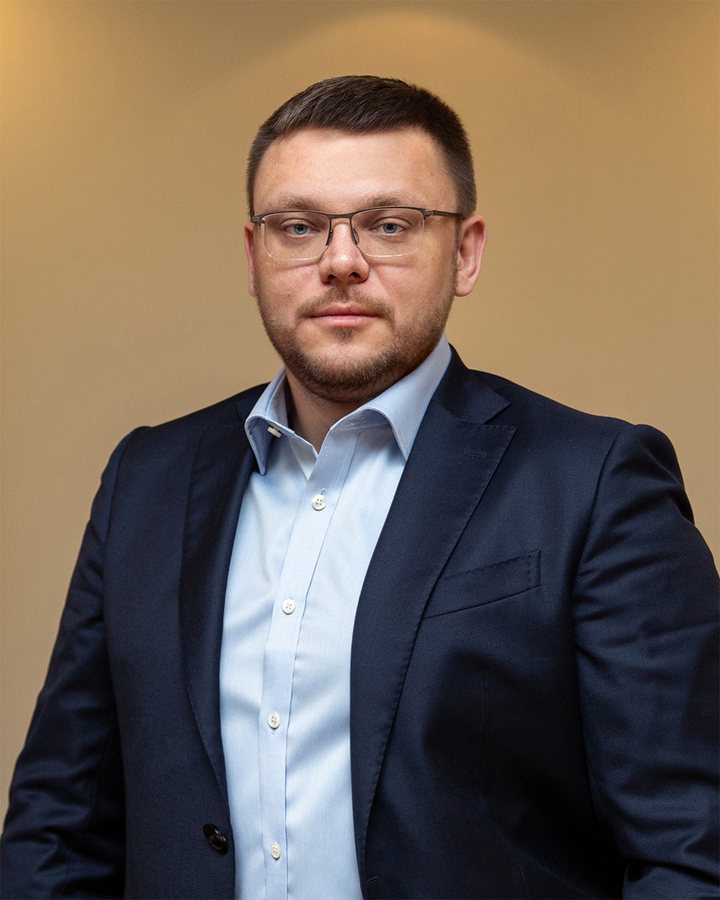
The 2026 half-year report shows investigations reaching former political leaders while legally effective convictions and financial recoveries test whether institutions can deliver beyond headlines.
By Eleanor Ellington · 5 min read
Leadership is easiest to discuss as a matter of character when institutions are working quietly. It becomes a harder test when former officeholders, senior judges and political figures are subjects of criminal proceedings. Ukraine’s first-half 2026 anti-corruption report puts that test in unusually concrete terms.
NABU and the Specialized Anti-Corruption Prosecutor’s Office opened 360 investigations in six months. They reported 107 suspects and sent 56 indictments involving 106 defendants to court. At the other end of the process, 55 guilty verdicts involving 76 people became legally effective. Those are not interchangeable categories: suspicion is an accusation to be tested, while a legally effective conviction follows judicial determination.
The most politically prominent new case involves a former head of the Presidential Office. Investigators allege that he and six other people were involved in laundering more than 460 million hryvnias through a luxury residential development near Kyiv. NABU says nearly $9 million was connected to a corruption scheme at the state nuclear company Energoatom. The inquiry is continuing and guilt has not been established.
A former energy minister is also a suspect in a related corruption investigation. NABU alleges money laundering and participation in a criminal organization and says the group received more than $112 million in cash through a trusted intermediary during the official’s tenure. The former minister retains the presumption of innocence unless and until a court rules otherwise.
A separate green-energy case reaches another former senior official, a former deputy head of the Presidential Office. Investigators allege that more than 141 million hryvnias in green-tariff payments were improperly obtained in connection with solar facilities in occupied parts of the Zaporizhzhia region. Again, the report records an allegation, not a conviction.
What makes the half-year report more than a list of scandals is the presence of completed cases. In April, an appeals court kept a six-year prison sentence for former State Fiscal Service chief Roman Nasirov. In June, the High Anti-Corruption Court approved a guilty plea agreement with former Supreme Court chief Vsevolod Kniaziev and imposed a five-year prison term along with confiscation measures.
Those outcomes illustrate a leadership principle that applies beyond Ukraine: rank does not determine criminal liability, but neither should political pressure determine guilt. The institutional standard requires investigators to pursue evidence, prosecutors to present it and courts to decide. A system that skips any of those steps may generate headlines without generating legitimacy.
The defense cases in the report make the leadership question more practical. NABU highlights alleged theft of military property, more than 32 million hryvnias in an alleged Ukroboronprom-related embezzlement scheme and a reported $1 million bribe demand linked to an FPV-drone procurement contract. When a country is at war, integrity in procurement is part of operational leadership because waste and corruption compete with battlefield needs.
NABU puts the first-half economic effect of its and SAPO’s work at more than 2.06 billion hryvnias. The calculation includes more than 864 million reimbursed to the state, more than 139 million in assets transferred to the Defense Forces and 726 million in savings in unmanned-aircraft procurement. It also includes court-ordered confiscations exceeding 321 million hryvnias.
For Ukraine, the deeper leadership test is whether accountability becomes routine rather than exceptional. Investigating former senior officials is one sign that status may not provide permanent protection. Legally effective convictions are another sign that cases can move through the courts. The next stage is institutional consistency: applying the same evidentiary standards, due-process protections and financial controls regardless of who is involved.
That is the distinction the raw numbers make visible. The 107 suspects are not 107 convicted officials. The 76 convicted people are not simply names in an investigation. A mature accountability system has to hold both truths at once — resolve to investigate power and discipline to let law, not reputation, decide the result.
60