
Business 214
Obrist Group Files for Insolvency Owing $37 Million After HyperHybrid Failure
In this issue
Business 214
Obrist Group Files for Insolvency Owing $37 Million After HyperHybrid Failure
Culture 257
Restored 1995 Range Rover County Classic LWB with GM V8 Heads to Auction
Economy 40
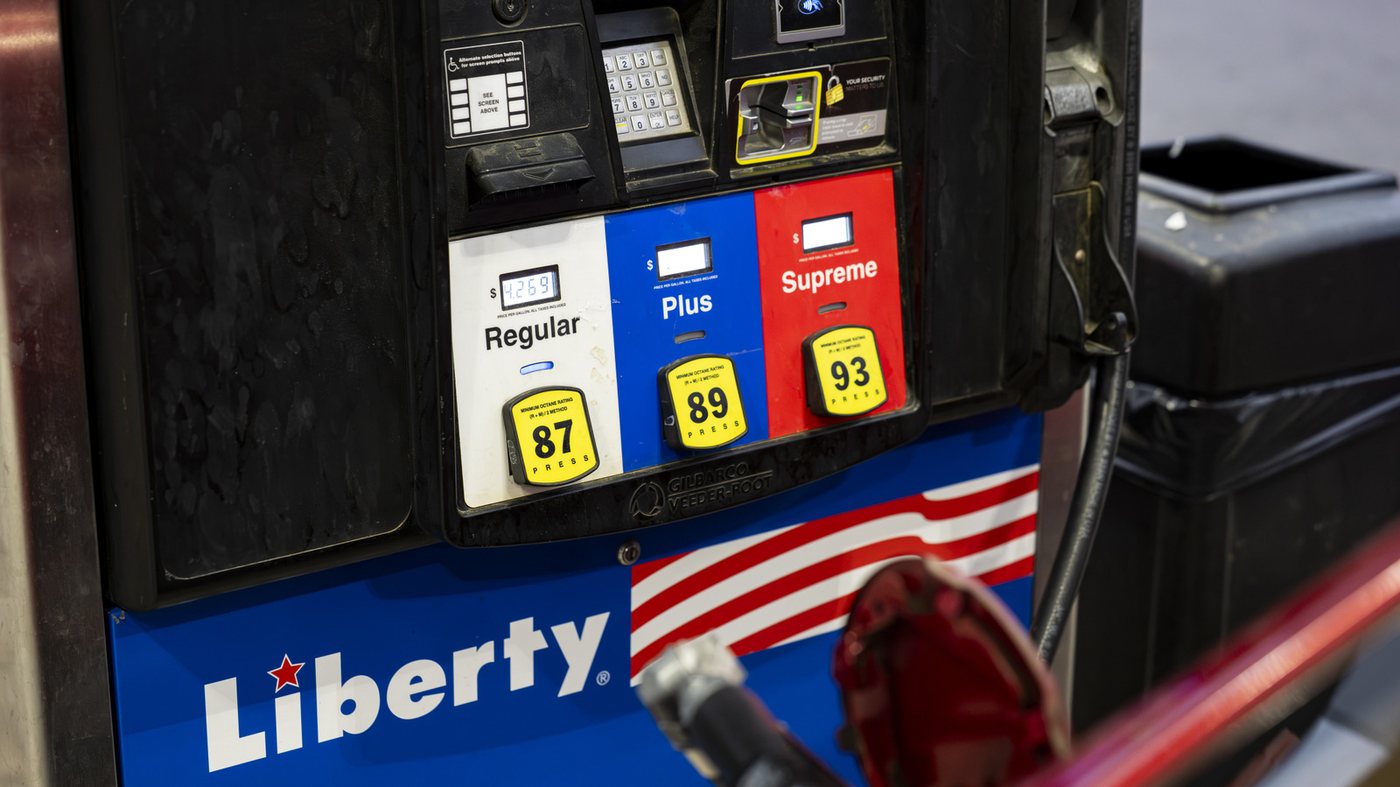
US Petrol Prices Set Record for Longest Stretch Above $4 a Gallon
News 151
US Safety Agency Investigates 535,000 GMC Sierra Trucks Over Grille Deflector Fau…
Politics 112
Trump Appoints Barbera Thornhill to Lead US Anti-Trafficking Office
Sports 274
Middlesbrough Host Cardiff City in Championship Clash
Technology 297
Porsche Mission S Concept Previews New Flagship Supercar Above 911
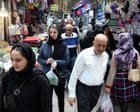
Washington’s Operation Economic Outcast targets Tehran’s financial networks, but many Iranians say the crisis has already outpaced any new measures.
By Edward Beaumont · 4 min read
The United States has launched a new sanctions campaign against Iran, named Operation Economic Outcast, in a bid to intensify pressure on Tehran’s financial networks. The move comes as Iranians grapple with runaway food inflation, closed petrol stations, and a currency in freefall, leaving many to wonder what further damage new measures can inflict on an economy already in deep crisis.
The campaign, announced by the Trump administration, is designed to choke off remaining revenue streams to the Iranian government, particularly through banking channels. Treasury Secretary Scott Bessent told the Associated Press that Washington plans to sanction another bank in an effort to clamp down on Iran’s international transactions. The operation is expected to push many Iranians into deeper poverty, according to analysts cited in reports, as the country’s foreign exchange reserves dwindle and the rial continues its seemingly unstoppable depreciation.
For ordinary citizens, the new sanctions feel almost superfluous. Food prices have soared, with staples such as bread, rice, and cooking oil becoming increasingly unaffordable for middle-class families. Petrol stations have shut down in several cities due to fuel shortages, a symptom of the broader economic paralysis. The lack of foreign exchange reserves has crippled import capacity, leaving businesses unable to secure raw materials and consumers facing empty shelves.
The economic turmoil is not new. Iran has been under various layers of US sanctions for decades, but the latest round, launched on 31 August 2026, is described as one of the most comprehensive yet. Operation Economic Outcast targets not only banks but also shipping, insurance, and other sectors that facilitate Iranian oil exports. Washington’s goal is to cut off the revenues that fund Tehran’s regional activities, including its support for proxy groups and its nuclear programme.
Critics, however, question the effectiveness of such measures. An opinion piece in Al Jazeera argues that Operation Economic Outcast is likely to fail, pointing to Iran’s history of adapting to sanctions through smuggling networks, barter arrangements, and partnerships with countries like China and Russia. The piece suggests that the campaign may harden Tehran’s stance rather than force concessions, and that the primary victims will be ordinary Iranians, not the political leadership.
The timing of the sanctions adds to the strain. Iran’s economy was already contracting, with inflation running at over 40% annually, according to official figures, though independent estimates put the real rate much higher. Unemployment, particularly among the youth, remains stubbornly high, and the middle class has been eroded by years of economic mismanagement and external pressure.
International reaction has been mixed. European allies have expressed concern about the humanitarian impact, while Russia and China have condemned the move as unilateral and counterproductive. The United Nations has called for restraint, urging all parties to return to diplomatic channels. Iran’s government, for its part, has vowed to resist the pressure, with officials promising to find new ways to circumvent the restrictions.
For now, the immediate effect of Operation Economic Outcast is likely to be felt most acutely in Iranian households. As one Tehran resident told reporters, “We have already been living under sanctions for years. What more can they take from us?” The question reflects a broader sense of resignation, but also defiance, as the country braces for another round of economic hardship.
58