Business 113
Nissan Ties Sunderland Kicks Production to Softer EV Mandate
In this issue
Business 113
Nissan Ties Sunderland Kicks Production to Softer EV Mandate
Culture 96
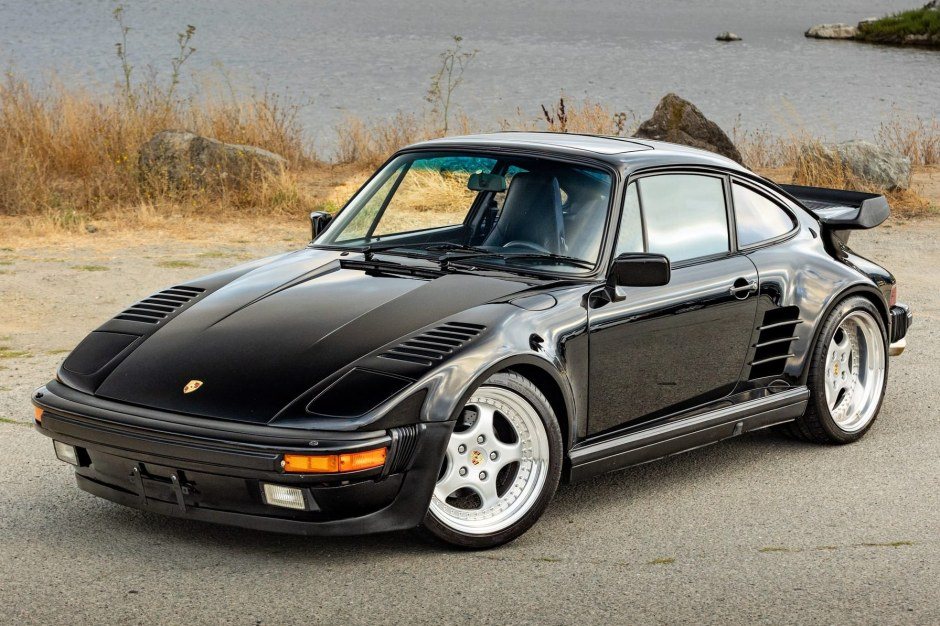
1988 Porsche 911 Turbo Slant Nose Heads to Auction After $90k Refresh
Economy 30
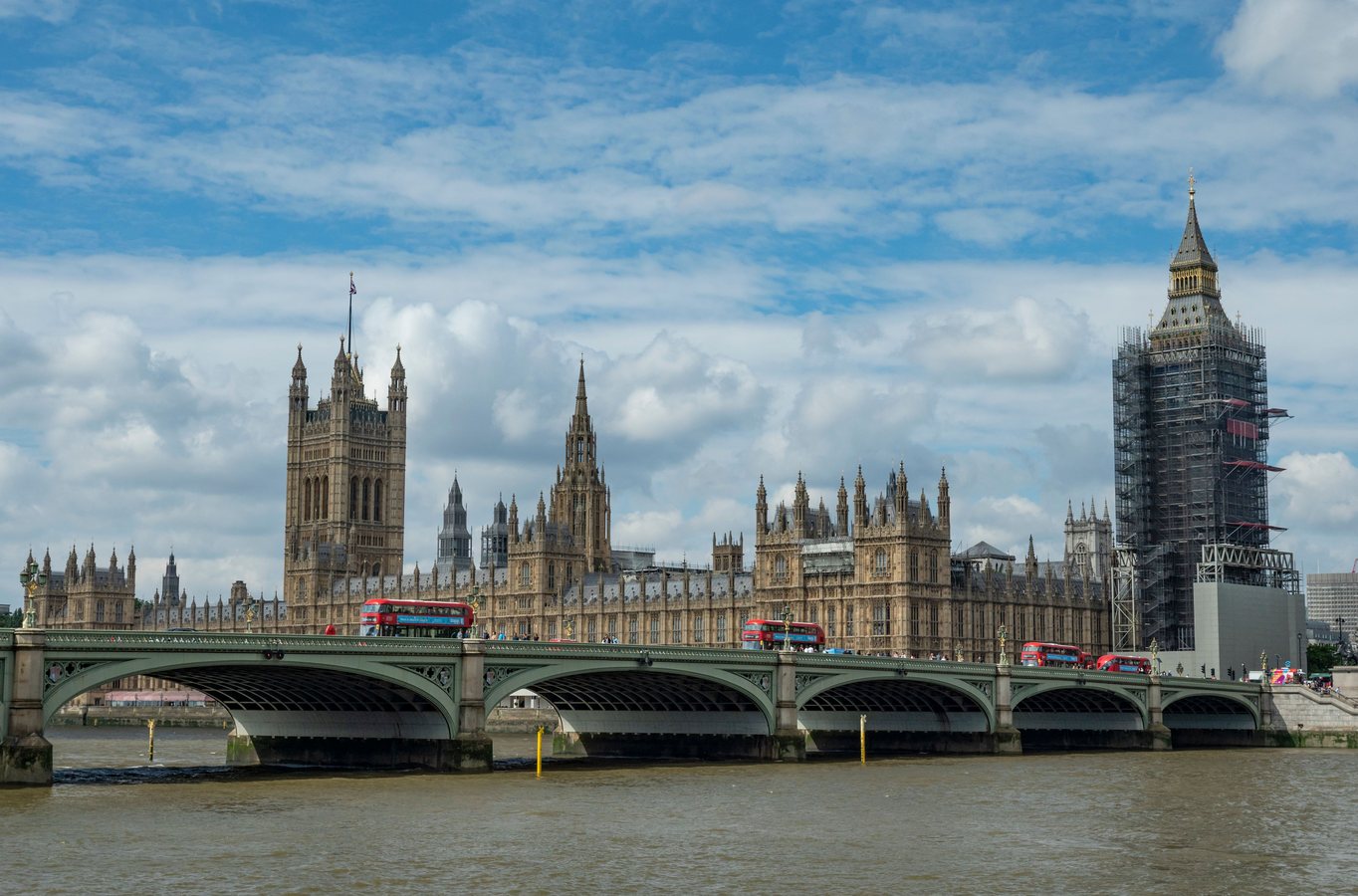
HMRC is writing to low earners about pension top-ups averaging about £70
News 124
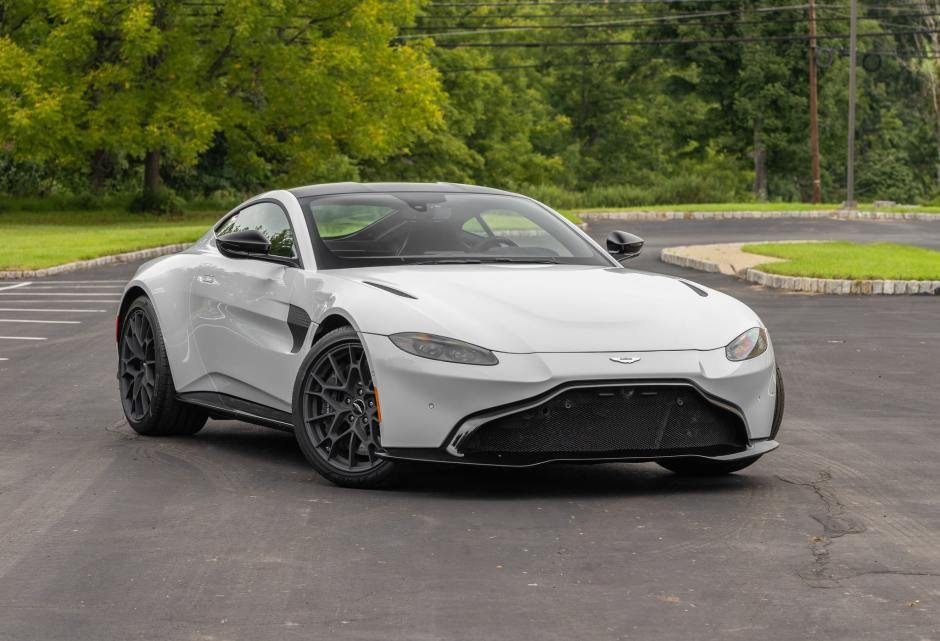
Aftermarket Trackers Recover 99% of Stolen Cars as Factory Systems Fail
Politics 105
Reform UK's Welsh Leader Dan Thomas Resigns After Arrest on Suspicion of Assault
Sports 232
Middlesbrough v Millwall Postponed in Championship
Technology 124
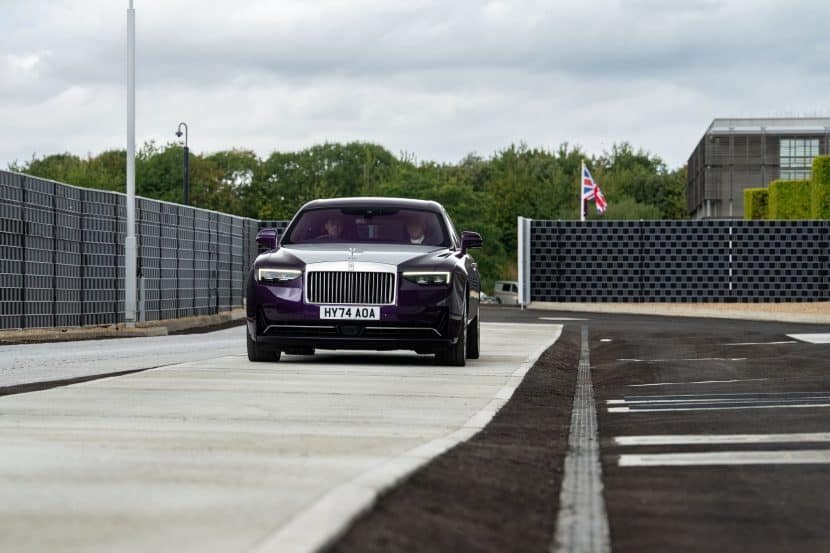
Rolls-Royce Opens Testway Facility to Simulate Speeds Above UK Limit
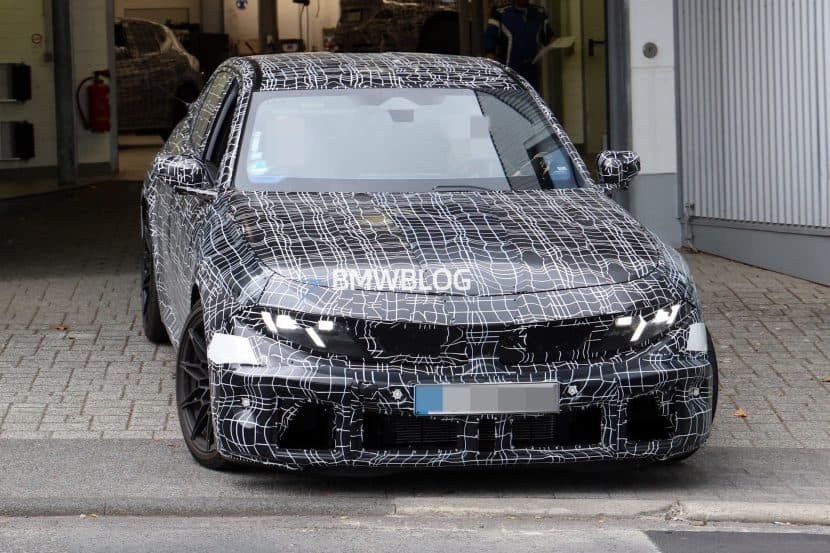
New spy photos from the Nürburgring show the 2028 BMW M3 (G84) with a Neue Klasse face, a longer hood for its straight-six engine, and quad exhausts, as BMW prepares to launch the electric M3 first.
By Edward Beaumont · 4 min read
BMW's next-generation petrol-powered M3 has been caught testing at the Nürburgring with significantly less camouflage, offering the clearest look yet at the car that will reach showrooms in 2028. The G84 prototype now wears a proper Neue Klasse front end, marking a decisive shift in design language for the German marque's performance sedan.
The headlights provide the strongest hint that this is near-production hardware. Their daytime running light graphics appear identical to those used on BMW's electric i3 (NA0), suggesting the two cars will share a family resemblance at the front. However, the M3 is expected to adopt distinctive M Yellow Lights, a feature already seen on the M Vision Neue Klasse concept and X5 M60e prototypes. BMW M has long favoured yellow daytime running lights as a simple, cost-effective way to distinguish its cars from lesser M Performance models.
The most revealing detail is the hood. Placed alongside prototypes of the electric M3 (ZA0), the combustion car's bonnet is noticeably longer. The reason is straightforward: an electric vehicle does not require a long engine bay, but a straight-six does. Under that stretched hood sits a further developed S58 twin-turbo 3.0-litre inline-six, reportedly updated with BMW's M Ignite technology to meet Euro 7 emissions rules. Rumours suggest a mild-hybrid 48V system will bring a slight power boost, though the base model is not expected to launch with significantly more horsepower.
At the rear, the four exhaust tips confirm the car's identity as an M3. The taillights, however, will not differ from those on the regular 3 Series (G50) and the i3, meaning the rear bumper and exhausts will have to carry the visual differentiation. This matters more than usual because the new M350 xDrive also gets quad pipes. BMW rates that M Performance sedan at 326 kW (437 hp in the US, 443 PS in Europe) and 580 Nm (428 lb-ft) — more horsepower than the F80 M3 had. With a «baby M3» that quick, the G84 needs to look the part, and its fenders bulge far beyond the M350's, leaving room for wider tracks and more sophisticated suspension hardware.
Earlier observations noted that the M350's exhaust tips sit farther apart than those on the M3, whose pipes are grouped closer to the centre of the bumper. The prototypes also show yellow brake calipers, pointing to optional M Carbon ceramic brakes, plus a panoramic glass roof that is expected to be optional. Inside, a full Neue Klasse design is anticipated, with a new central display, the Panoramic Display and fewer buttons than before.
BMW's launch strategy places the electric M3 (ZA0) first, arriving next year, while the G84 petrol model will not hit showrooms until 2028. Buyers who still want six cylinders will have to wait, or they can still pick up the current G80 M3, which remains on sale throughout 2027. The extended timeline reflects BMW's dual-track approach to performance, balancing electrification with continued investment in combustion engines.