Business 213
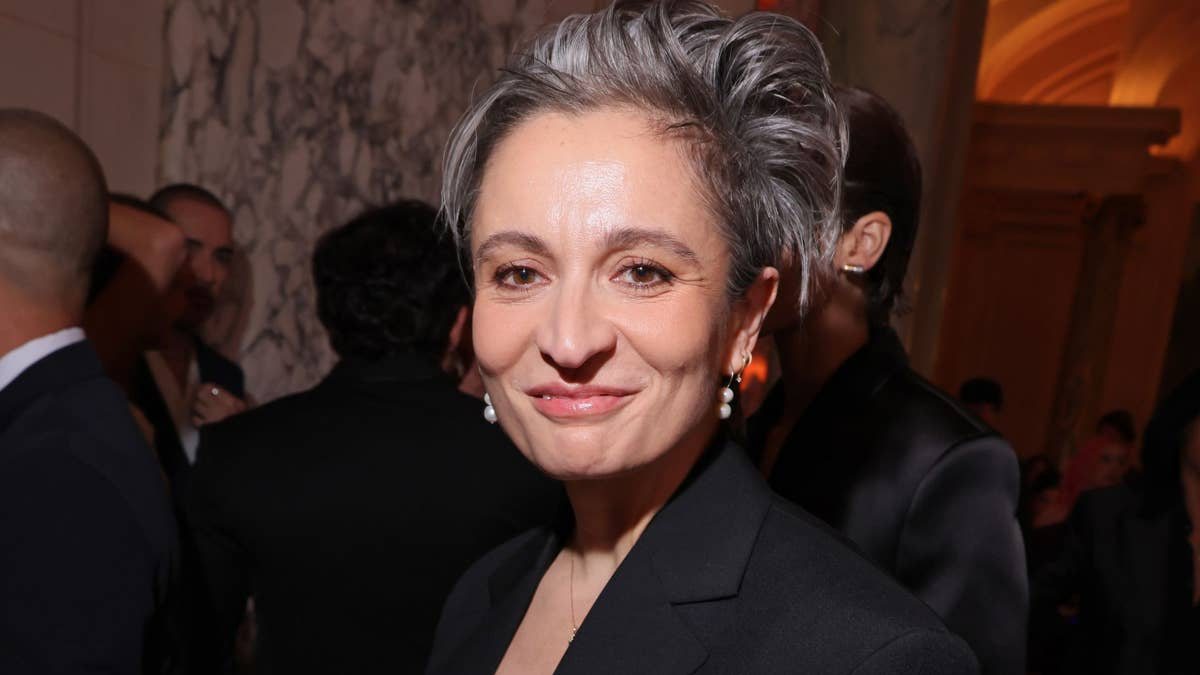
Veronica Leoni Exits Calvin Klein as Creative Director
In this issue
Business 213
Veronica Leoni Exits Calvin Klein as Creative Director
Culture 256
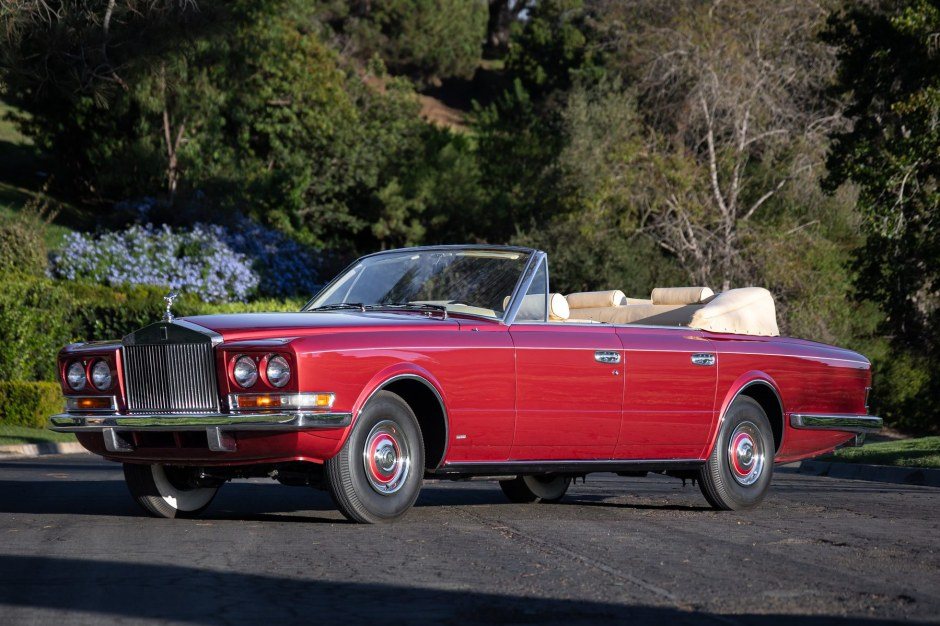
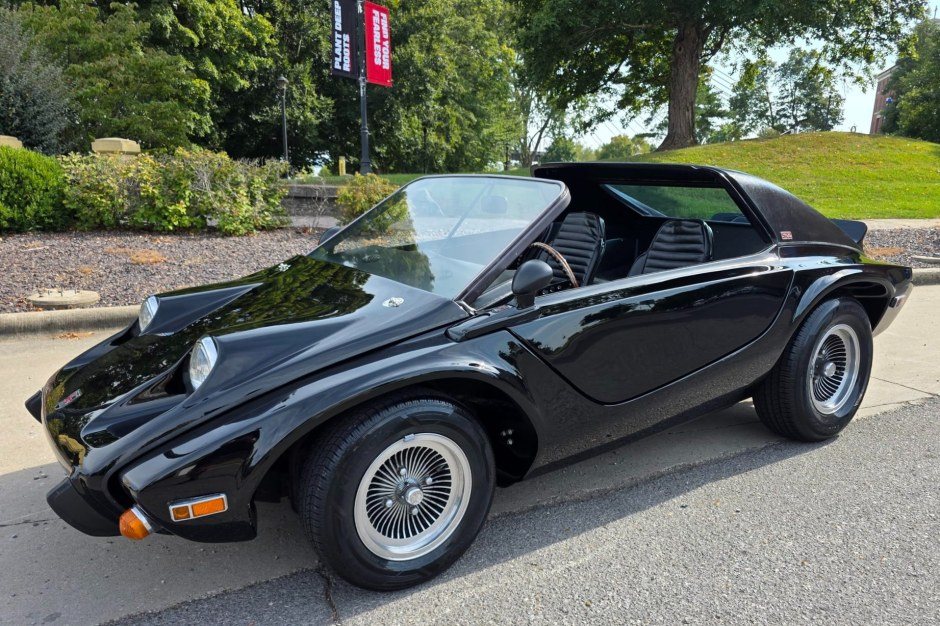
Frua-Bodied 1971 Rolls-Royce Phantom VI Heads to Auction After Pebble Beach Outing
Economy 40
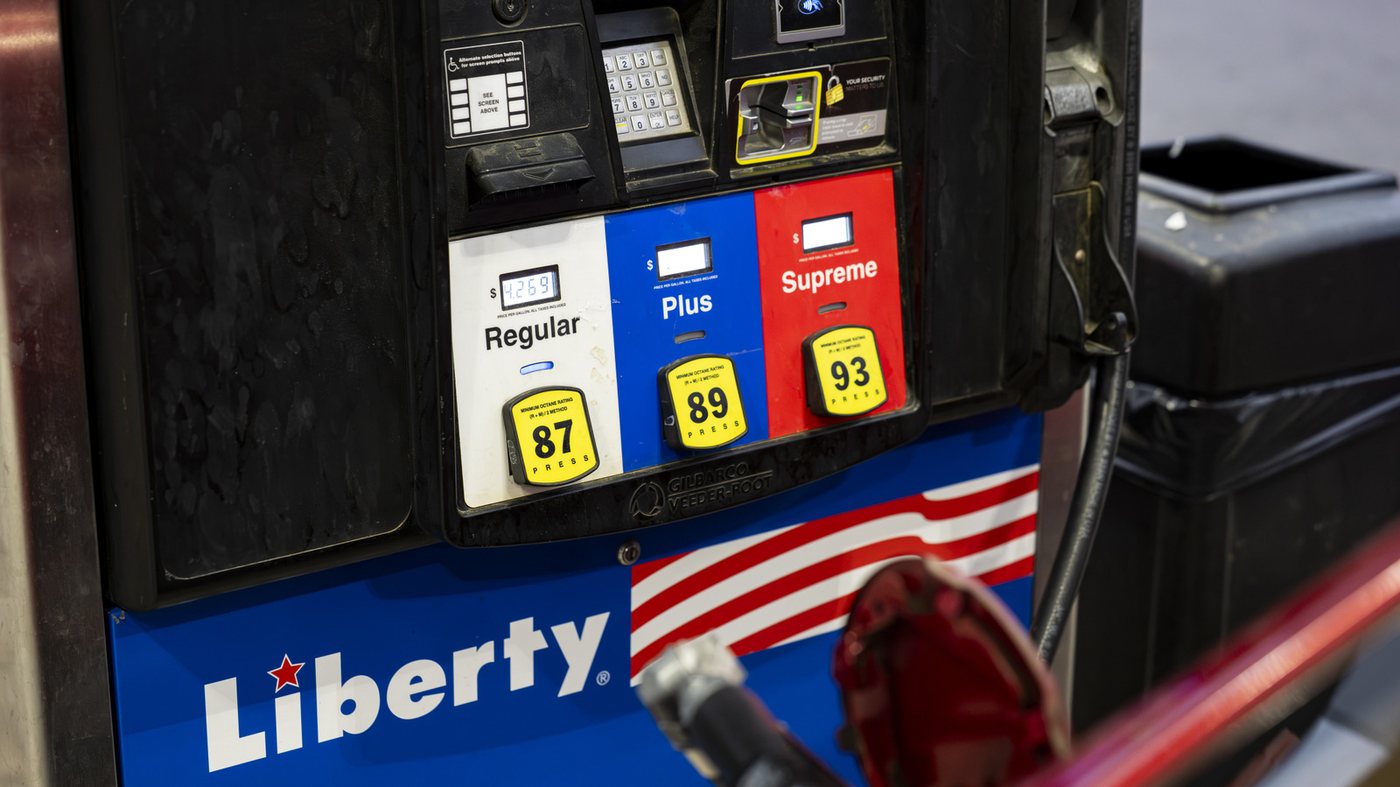
US Petrol Prices Set Record for Longest Stretch Above $4 a Gallon
News 151
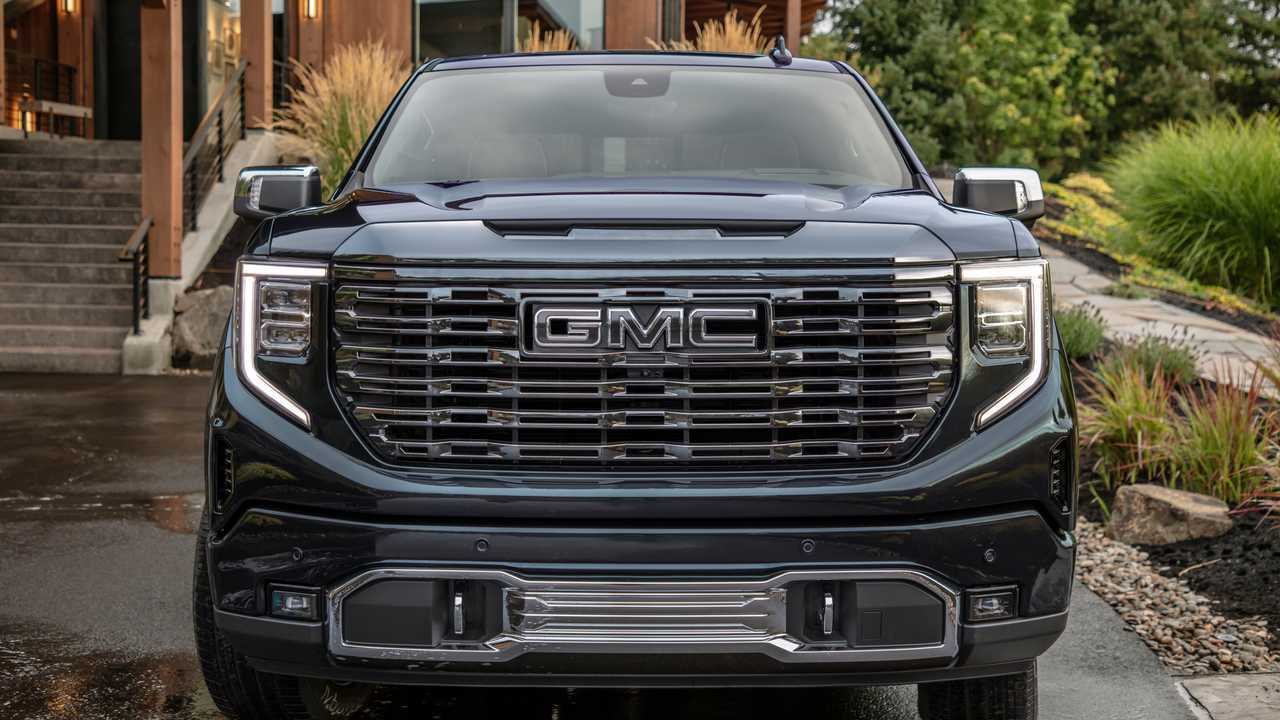
US Safety Agency Investigates 535,000 GMC Sierra Trucks Over Grille Deflector Fau…
Politics 113
Trump Appoints Barbera Thornhill to Lead US Anti-Trafficking Office
Sports 272
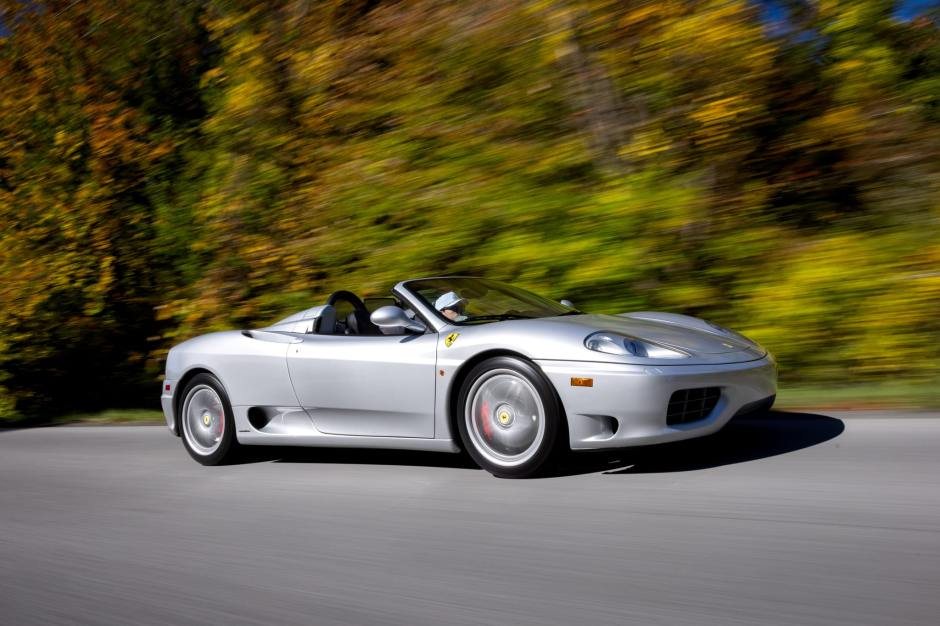
European-Market Ferrari 360 Spider with 17k Miles Offered at No Reserve
Technology 294
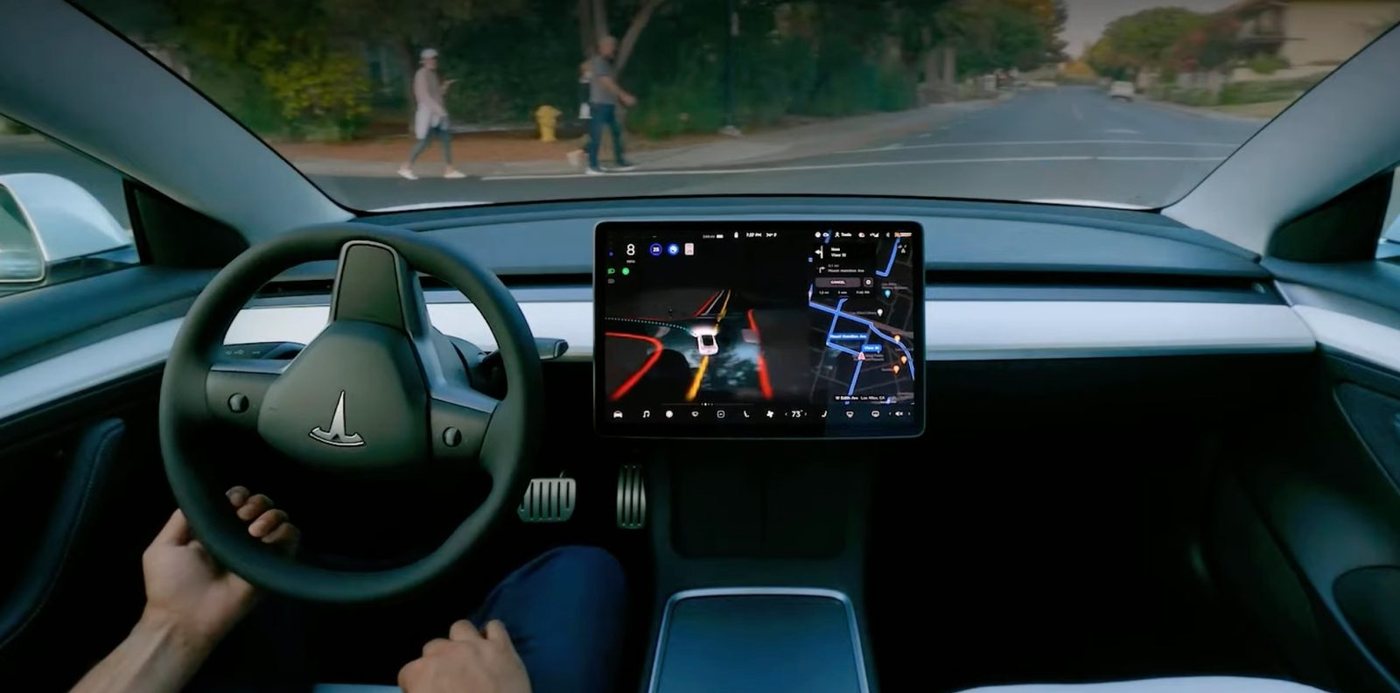
Tesla Remote Operators Linked to Five Robotaxi Crashes
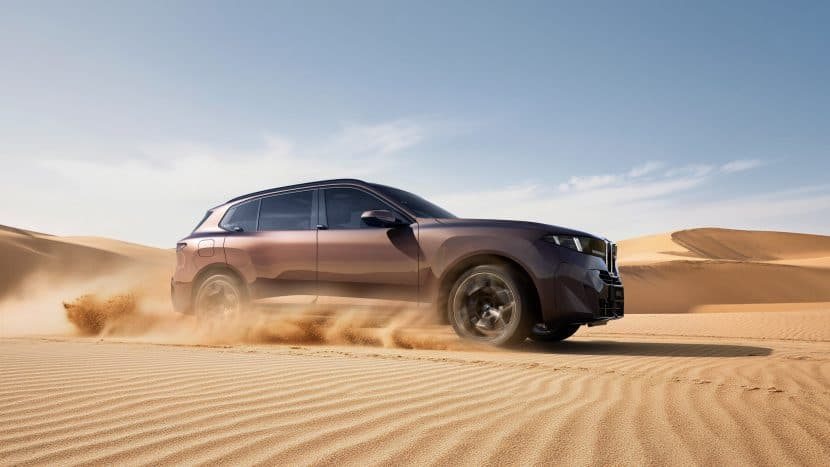
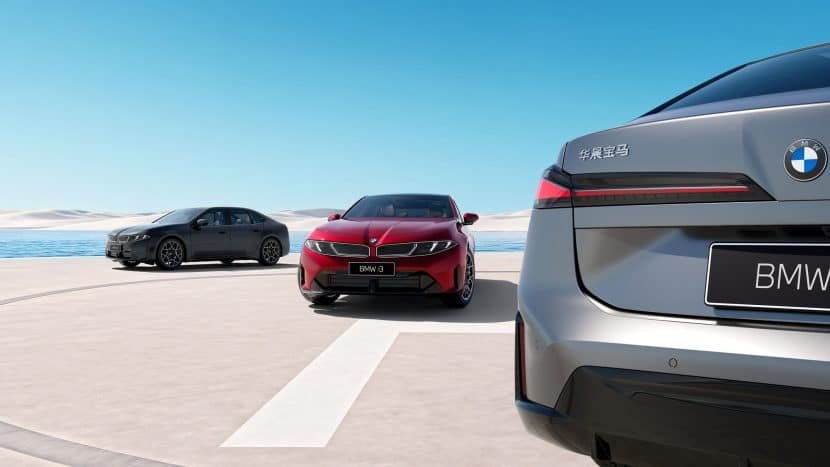
BMW is reportedly considering a range-extender version of its long-wheelbase iX5 electric SUV for China, using a turbocharged 2.0-liter petrol engine as a generator. The move would revive technology last seen in the discontinued i3 REx, though the company has not confirmed the report.
By Charlotte Redford · 3 min read
BMW may be preparing to revive a technology it abandoned years ago. A new report from Chinese automotive outlet Autohome claims the manufacturer is considering a range-extender version of its long-wheelbase iX5 electric SUV, exclusively for the Chinese market. The model would use a turbocharged 2.0-liter petrol engine not to drive the wheels, but to generate electricity and recharge the battery while on the move.
The alleged vehicle would be based on the freshly unveiled G78-generation iX5, which was designed with an extended wheelbase specifically for China. Unlike the discontinued i3 REx hatchback, which used a small two-cylinder motorcycle engine as its generator, the reported iX5 would employ BMW's larger B48 four-cylinder mill. The company has not confirmed the report, and the model should be treated as a rumour for now.
The news marks a notable reversal for BMW, which has repeatedly stated that no range-extender production model had been approved. Only a few months ago, company sources indicated BMW was taking a wait-and-see approach, assessing whether extended-range electric vehicles represent a lasting trend or a temporary spike in demand. The company has also argued that the need for such technology may be diminishing, pointing to the upcoming Neue Klasse platform with its sixth-generation cylindrical battery cells.
Those new batteries offer roughly 20 percent higher energy density than the previous Gen5 prismatic cells, which BMW says makes range anxiety increasingly a thing of the past. The long-wheelbase iX5 is estimated to cover more than 621 miles (1,000 kilometres) on the lenient Chinese CLTC testing cycle. A range extender could therefore be considered overkill, yet reports insist the recipe is making a comeback.
BMW has consistently emphasised that it adapts its powertrain strategy according to individual markets. A technology that makes little sense for Europe or America could still have a strong business case in China, particularly as local buyers continue gravitating toward extended-range electric vehicles. The popularity of EREVs in China, combined with the existence of a China-specific long-wheelbase iX5, makes the rumour one worth watching.
If BMW gives the green light, the iX5 could become the sixth member of the lineup in terms of powertrains. Beyond traditional petrol and diesel models, the new luxury SUV will also be offered as a plug-in hybrid and a pure battery electric vehicle. From 2028, a hydrogen-powered iX5 is scheduled to go on sale in select markets. Autohome alleges the range-extender version is also due to arrive around 2028, and speculation suggests an iX7 REx could follow suit in China.
46