Business 193
Jaguar Type 01 Debuts as Brand Bets on Electric Luxury
In this issue
Business 193
Jaguar Type 01 Debuts as Brand Bets on Electric Luxury
Culture 213
2008 Porsche 911 GT3 RS with 8k Miles Heads to Auction at No Reserve
Economy 36
G7 Agrees to Release 100 Million Barrels of Diesel and Crude Oil to Ease Price Su…
News 147
Texas Insurance Fraudster Sentenced to 13 Years and Ordered to Forfeit 90-Car Col…
Politics 110
Trump Urges Republicans to Vote by Mail After Years of Criticising the Practice
Sports 261
Mustang Sets Stick-Shift Record Then Crashes at 228 MPH
Technology 236
Porsche Unveils Mission S Supercar Concept as Part of Turnaround Plan
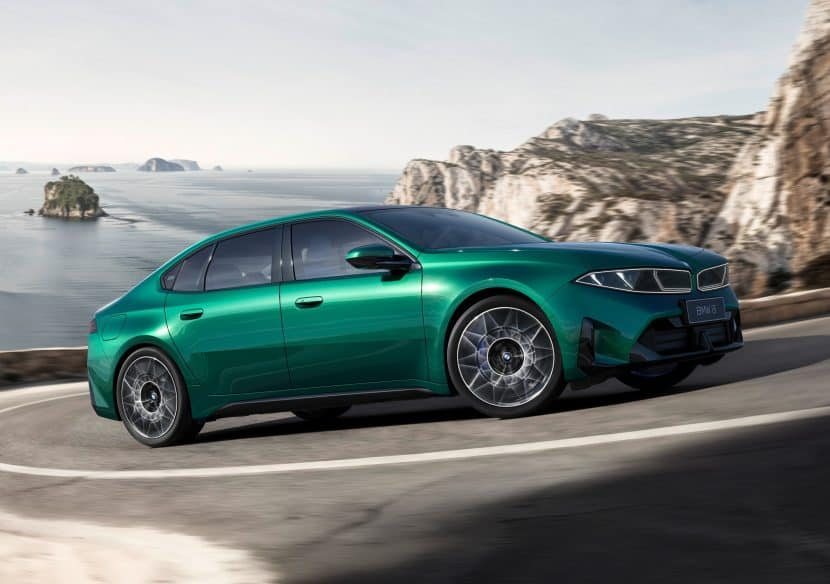
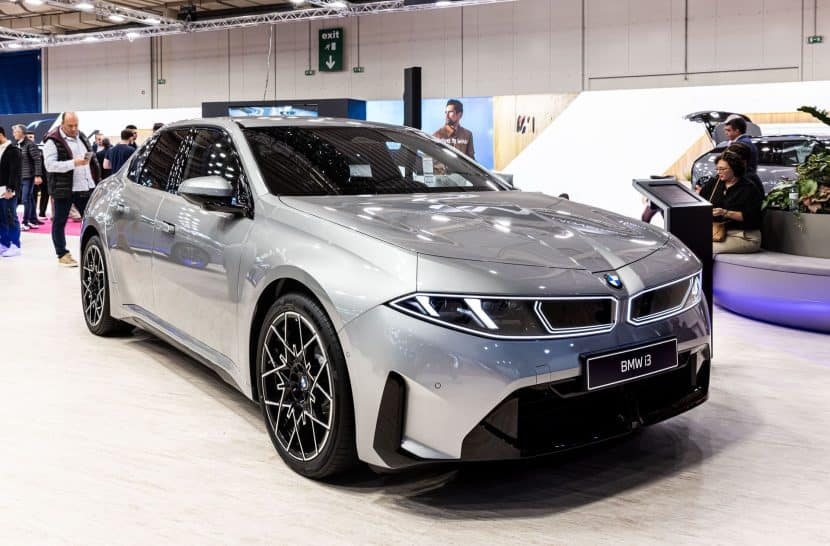
BMW has presented the long-wheelbase version of its new electric i3 sedan at the 2026 Chengdu Auto Show, a model developed specifically for the Chinese market with a stretched wheelbase, revised door handles, and a more spacious cabin.
By George Kensington · 4 min read
BMW has used the 2026 Chengdu Auto Show to reveal the long-wheelbase version of its new electric i3 sedan, a model developed specifically for the Chinese market. The car, known internally as the “NA8,” differs significantly from the standard-wheelbase i3 that will be sold in the rest of the world, offering a longer body, more rear passenger space, and a series of market-specific design changes.
The Chinese i3 was shown in Le Castellet Blue with the M Sport Package and black wheels, but the most notable change is under the skin. The wheelbase measures 3,005 millimetres, an increase of 108 millimetres over the global model. That extra length translates into longer rear doors and a more generous greenhouse, giving the car a distinctly more spacious rear compartment than the international version. BMW has not yet confirmed whether the Chinese model’s boot capacity differs from the standard car, which offers 420 litres of luggage space and a 31-litre front storage area.
One of the more subtle but significant updates is the door handle design. The Chinese i3 uses a pull-up handle rather than the flush units found on the global model, a last-minute change made to comply with a new safety regulation in China that effectively bans completely flush door handles. The car also features an M logo embedded into the Hofmeister kink at the rear pillar, although BMW has confirmed this does not indicate a high-performance variant. The model on display is a 40 xDrive, with M Performance and full M derivatives expected to follow in due course.
Inside, the show car features Castanea artificial leather upholstery and BMW’s new 3D head-up display. The cabin is expected to be a key selling point for the Chinese market, where rear passenger comfort is often prioritised over driver engagement. BMW has not yet released full specifications for the Chinese i3, but the company has confirmed the car is built on a bespoke electric platform, the same Neue Klasse architecture that underpins the global i3 and the new iX3.
Pricing for the i3 40L xDrive has not been announced, but industry observers expect it to undercut the iX3 40L xDrive, which starts at RMB 299,900. A cheaper rear-wheel-drive 30 model could also be offered, potentially priced below the iX3 30L at RMB 269,900. BMW has sold an i3 sedan in China since 2022, when it retired the quirky hatchback that carried the same name internationally. That earlier model, based on the CLAR platform of the outgoing 3 Series Li, starts at RMB 278,000, suggesting the new Neue Klasse-based replacement will be priced in a similar range.
The Chengdu Auto Show appearance marks the first public outing for the long-wheelbase i3, which will be built locally in China. The model is part of BMW’s broader push to strengthen its position in the world’s largest electric vehicle market, where domestic manufacturers have been gaining ground with increasingly competitive offerings. The company has not yet confirmed when the Chinese i3 will go on sale, but the production version of the global i3 has already begun rolling off the assembly line in Munich.
56