Business 182
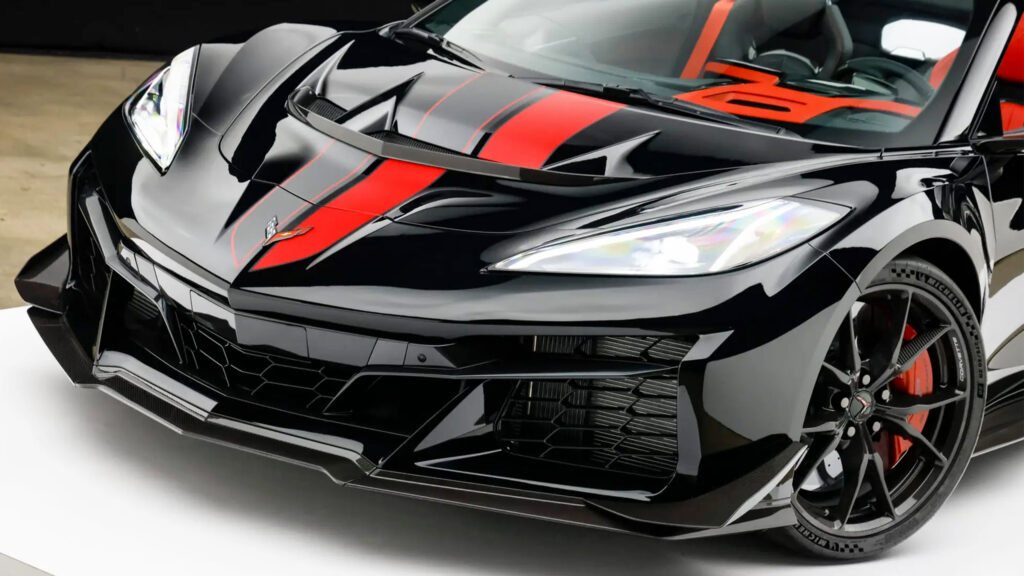
Corvette ZR1X Auction Bids Top $400,000 as Factory Warranty Fuels Demand
In this issue
Business 182
Corvette ZR1X Auction Bids Top $400,000 as Factory Warranty Fuels Demand
Culture 207
MINI Takes The States Marks 20 Years With Three Regional Rallies
Economy 36
G7 Agrees to Release 100 Million Barrels of Diesel and Crude Oil to Ease Price Su…
News 145
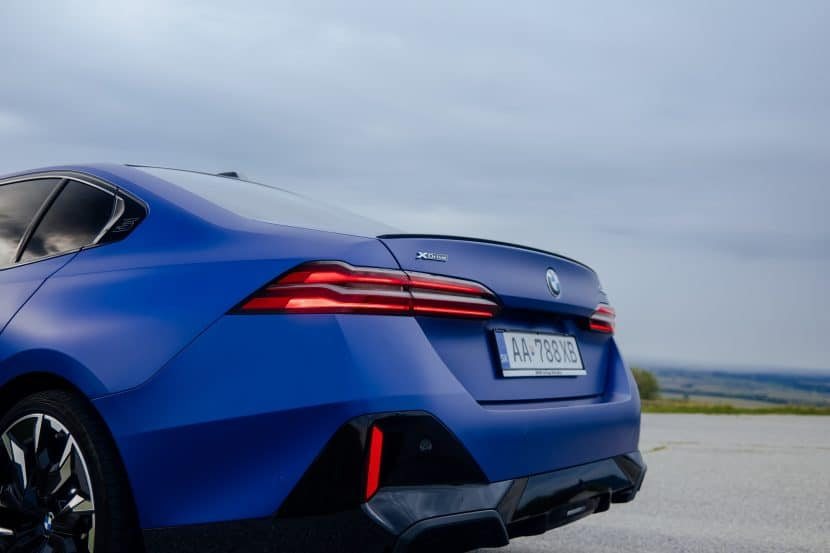
NSW Police Trials BMW 540d as Highway Patrol Car
Politics 110
Trump Urges Republicans to Vote by Mail After Years of Criticising the Practice
Sports 259
Chiefs, 49ers and Vikings stay unbeaten as NFL Week 4 delivers 14-game slate
Technology 228
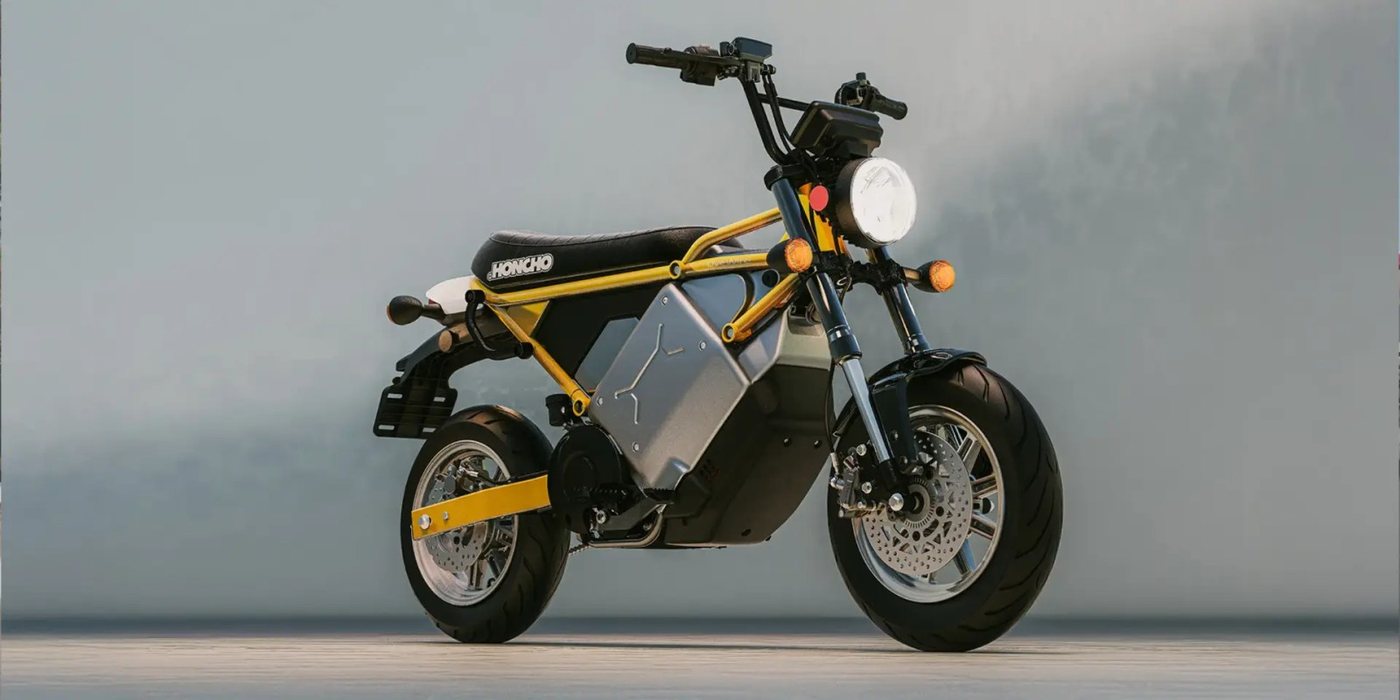
LiveWire S4 Honcho Street Approved for Rider Training Programmes
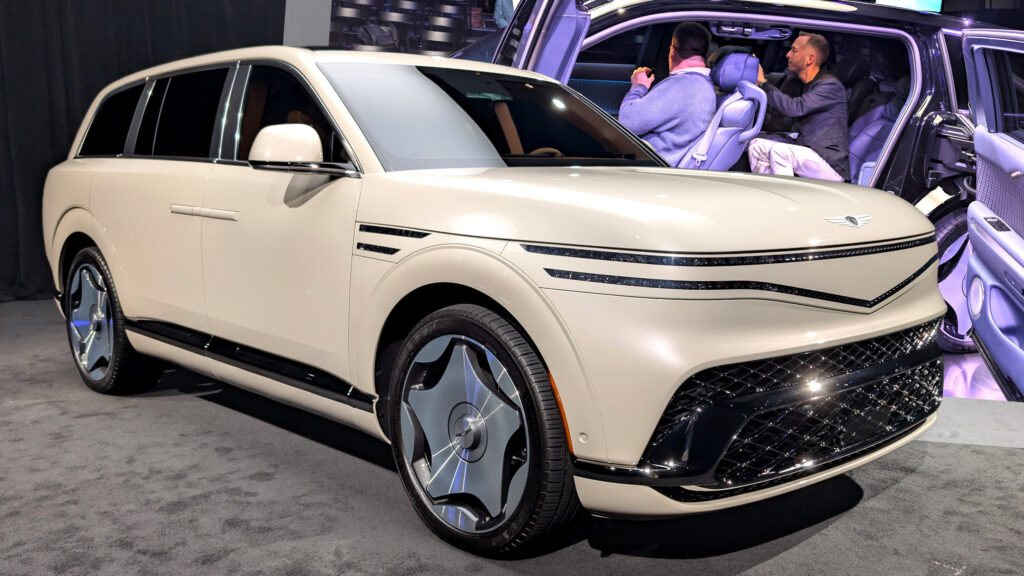
Electric car batteries typically retain at least 70% capacity after 200,000 miles, with real-world examples showing minimal degradation, and simple charging habits can extend their life further.
By Charlotte Redford · 4 min read
Electric car batteries are designed to last as long as the vehicle itself, according to new analysis that challenges common fears about costly replacements. While owners often worry that battery degradation will render their cars useless within a few years, evidence from high-mileage vehicles suggests the opposite is true.
Industry data shows that most electric car batteries retain at least 70% of their original capacity even after 200,000 miles — a distance few combustion-engined cars ever reach. In one notable example, a fleet of Tesla Model S taxis operating from Gatwick Airport each covered more than 300,000 miles over three years, and all retained at least 82% battery health. This real-world performance contradicts the horror stories that circulate about EVs becoming worthless due to battery failure.
The concern is understandable, given our experience with smartphones and laptops, which lose efficiency quickly and often need replacing within a few years. However, electric car batteries are built to a much higher standard, with advanced thermal management systems and more robust chemistry. The degradation that does occur is gradual and rarely leaves an EV unusable.
Battery degradation is driven by several factors, the most significant being the cycle of use and charging. Frequently draining the battery to zero and then charging it to 100% can damage the cells over time. Manufacturers therefore recommend keeping the charge between 20% and 80% whenever possible. Rapid charging also contributes to degradation, as the high electrical current generates heat that stresses the lithium-ion cells. Liquid cooling helps mitigate this, but frequent use of DC rapid chargers can still take a toll.
Climate plays a role too, with cars used in hotter regions experiencing slightly greater capacity loss than those in cooler conditions. But even in extreme cases, the impact is modest. Tesla claims its batteries last between 300,000 and 500,000 miles, which for a Model 3 Long Range with a 436-mile WLTP range equates to 700 to 1,500 full charge cycles. Our own fleet experience supports this: a four-year-old Tesla Model 3 with 40,000 miles on the clock had degraded only 2%.
Owners can take simple steps to protect their battery. Setting a charging limit of 80% and avoiding letting the charge drop below 20% are the most effective measures. Most modern EVs allow you to programme charging schedules and set a maximum charge level, making it easy to follow this advice. It is also wise to avoid storing the car for long periods with a very low charge, as the battery can slowly drain and become damaged.
Rapid chargers should be used sparingly, reserved for long journeys or emergencies. While they are convenient, the heat they generate accelerates cell degradation. If the car is to be used in extreme temperatures, it is better to keep it plugged in with the charge limit set to 80%, as the battery management system will maintain a safe temperature.
Battery swapping stations, where depleted packs can be exchanged for fully charged ones in minutes, are beginning to appear in Europe and could offer another solution to range and longevity concerns. However, for most owners, the evidence suggests that the battery will outlast the car itself, making the worry about replacement costs largely unfounded.
52