
Business 202
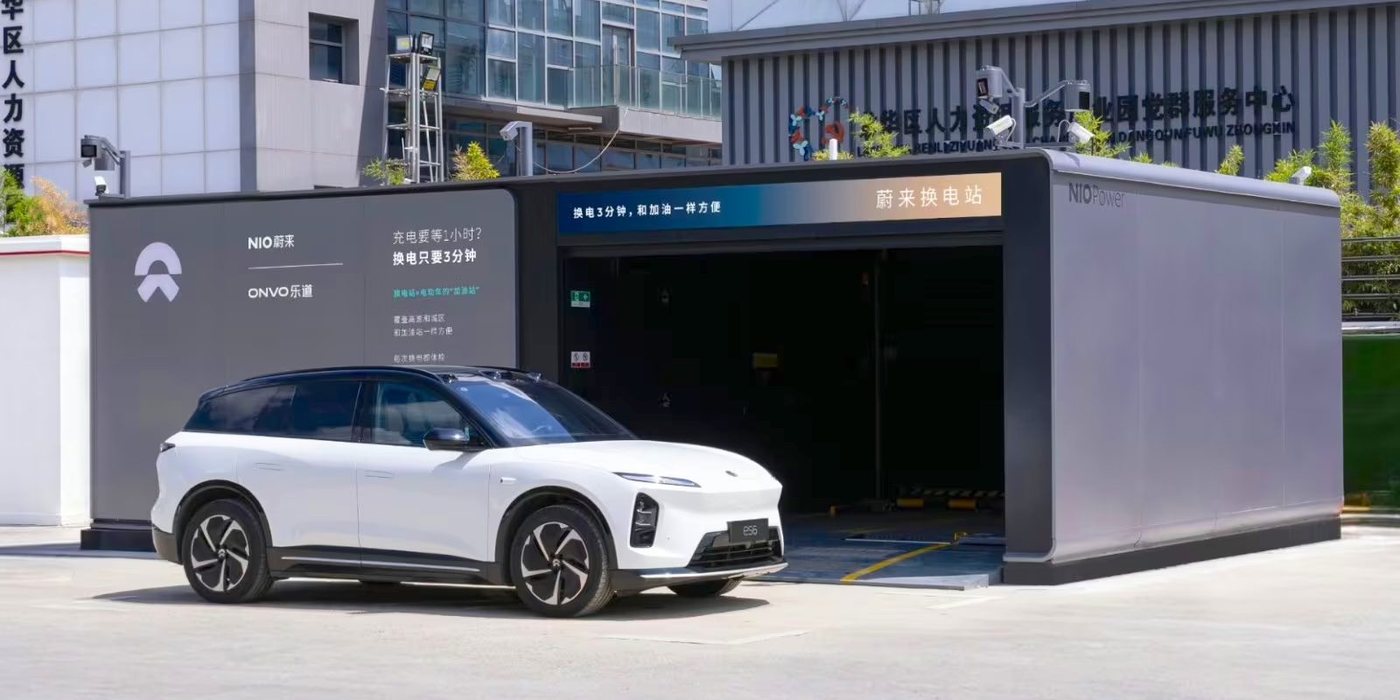
Geely Confirms Canadian Launch for 2027
In this issue
Business 202
Geely Confirms Canadian Launch for 2027
Culture 231
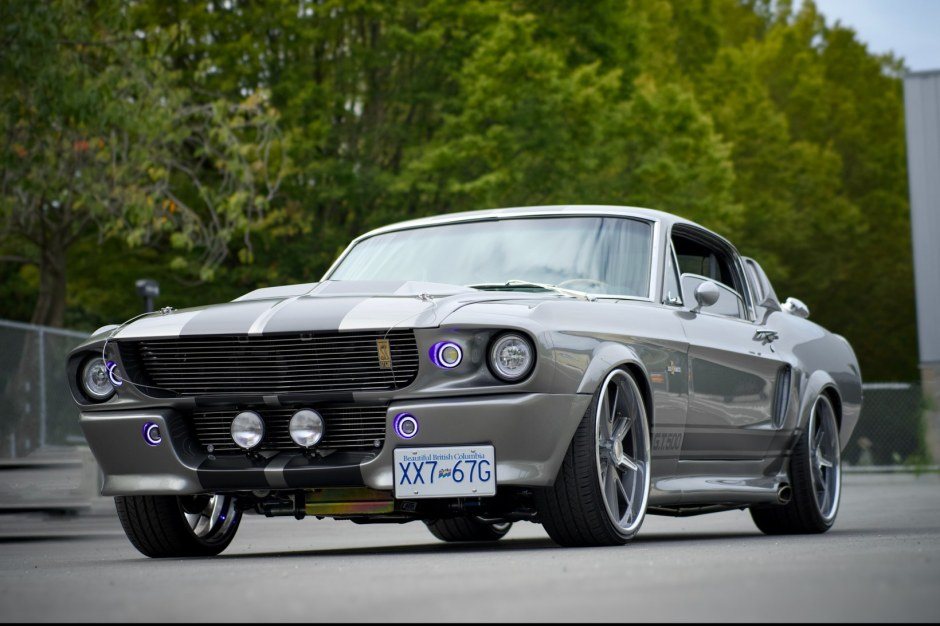
GT500E-Style 1967 Ford Mustang Fastback with 437 Stroker V8 Heads to Auction
Economy 37
Russia's EV Share Overtakes US as Fuel Shortages Bite
News 149
Weekly Exercise Linked to Slower Memory and Movement Decline in Parkinson's Patie…
Politics 111
Trump Names Katie Zacharia as White House Press Secretary
Sports 265
Southampton to Host Portsmouth in Scheduled Fixture on 11 October 2026
Technology 262
GAC Aion V Review: Odd Looks, Premium Cabin, £24,000 Price
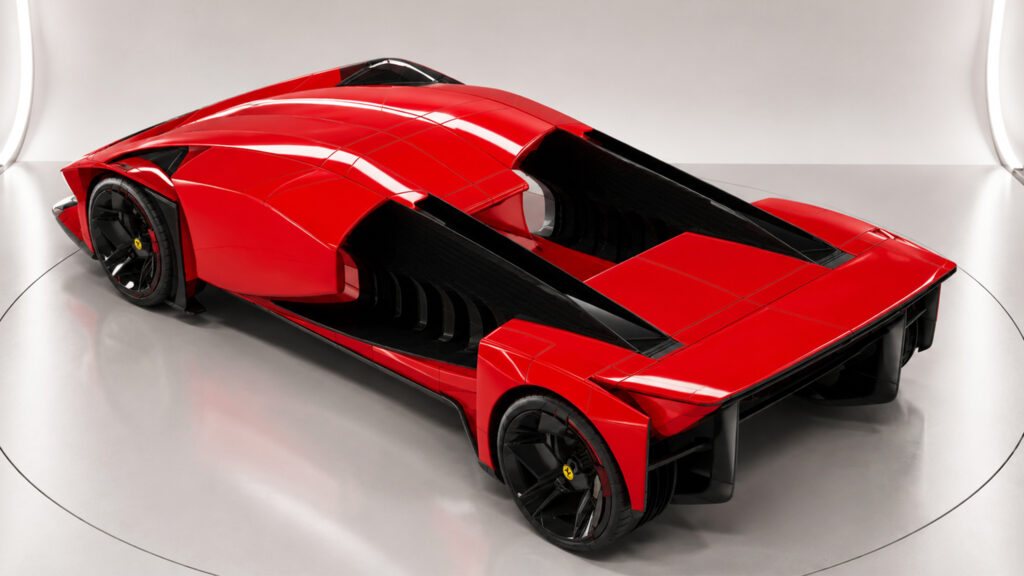
A new Ferrari patent filed with the USPTO shows an extendable rear wing, LED light bar, and active aerodynamic components for a radical mid-engined hypercar, plus a Purosangue with adjustable taillights.
By George Kensington · 3 min read
Ferrari is exploring a new generation of active aerodynamics that could reshape the rear ends of its future supercars and hypercars. A patent filed with the United States Patent and Trademark Office depicts a radical mid-engined hypercar with an extendable rear wing and an integrated LED light bar, along with a modified Purosangue SUV featuring adjustable taillights that angle toward the ground.
The patent, first reported by CarBuzz, shows a vehicle that looks unlike anything Ferrari currently builds or has built in the past. The front end sits low and sharp, drawing comparisons to the 849 Testarossa, while the rear features Formula 1-inspired louvers and vents. The design study is not necessarily destined for production, but the active aerodynamic components it illustrates are far more likely to reach the market in the foreseeable future.
At the rear, the patent reveals a large diffuser paired with an extendable wing and light bar. During everyday driving, the light bar would sit below the wing, but it could be shifted outward in a manner similar to the active long-tail system used on the new McLaren W1. This would allow the car to alter its aerodynamic profile on demand, improving downforce or reducing drag depending on driving conditions.
The patent also includes depictions of the Purosangue, Ferrari's SUV, fitted with the same trick active aero technology. In this configuration, the taillights could angle down toward the ground, enhancing the effectiveness of the small rear lip spoiler. Such a system would give the SUV a more dynamic aerodynamic signature, potentially improving stability at high speeds while maintaining the clean lines expected of a Ferrari.
Ferrari's interest in advanced aerodynamics comes as emissions and fuel economy regulations continue to evolve, making it difficult to predict which powertrains will power the supercars and hypercars of the next decade. What remains constant, however, is the importance of managing airflow. The patent suggests Ferrari is investing heavily in this area, ensuring that its future models remain competitive both on the road and on the track.
As with all patents, there is no guarantee that the elements depicted will reach production, nor is there a timeline for when they might appear. Ferrari has not commented on the filing. Still, the patent signals that the Prancing Horse is committed to pushing the boundaries of vehicle dynamics, even as the industry shifts toward electrification and stricter environmental standards.
The patent also hints at Ferrari's broader strategy of integrating active aero into its mainstream lineup, not just its halo hypercars. If the Purosangue system reaches production, it could set a new benchmark for how SUVs manage airflow, blending practicality with the performance pedigree that defines the brand.
53