Business 182
Corvette ZR1X Auction Bids Top $400,000 as Factory Warranty Fuels Demand
In this issue
Business 182
Corvette ZR1X Auction Bids Top $400,000 as Factory Warranty Fuels Demand
Culture 207
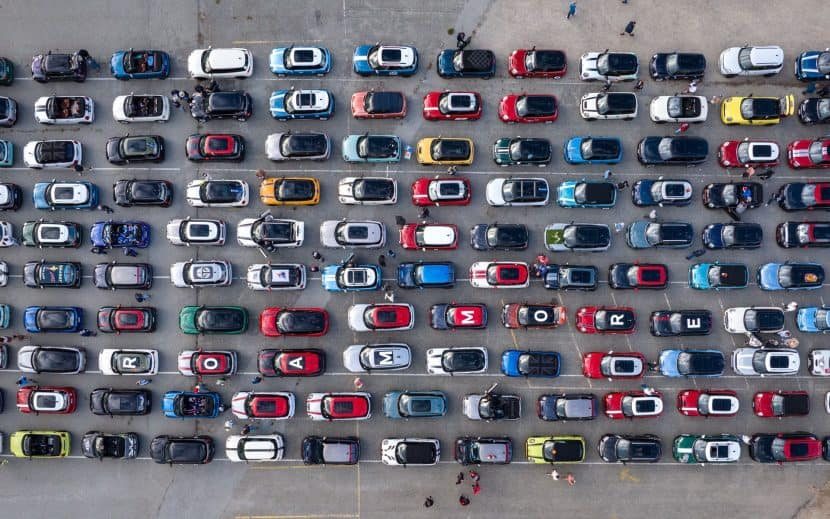
MINI Takes The States Marks 20 Years With Three Regional Rallies
Economy 36
G7 Agrees to Release 100 Million Barrels of Diesel and Crude Oil to Ease Price Su…
News 145
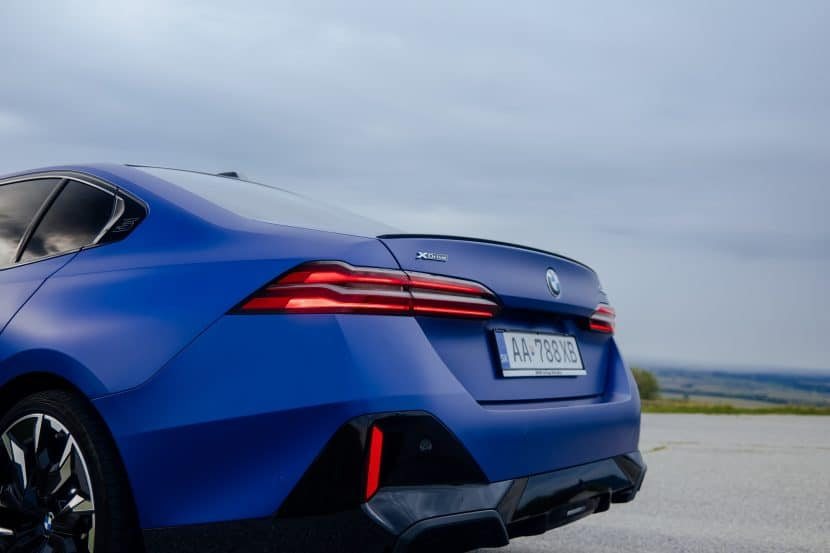
NSW Police Trials BMW 540d as Highway Patrol Car
Politics 110
Trump Urges Republicans to Vote by Mail After Years of Criticising the Practice
Sports 259
Chiefs, 49ers and Vikings stay unbeaten as NFL Week 4 delivers 14-game slate
Technology 228
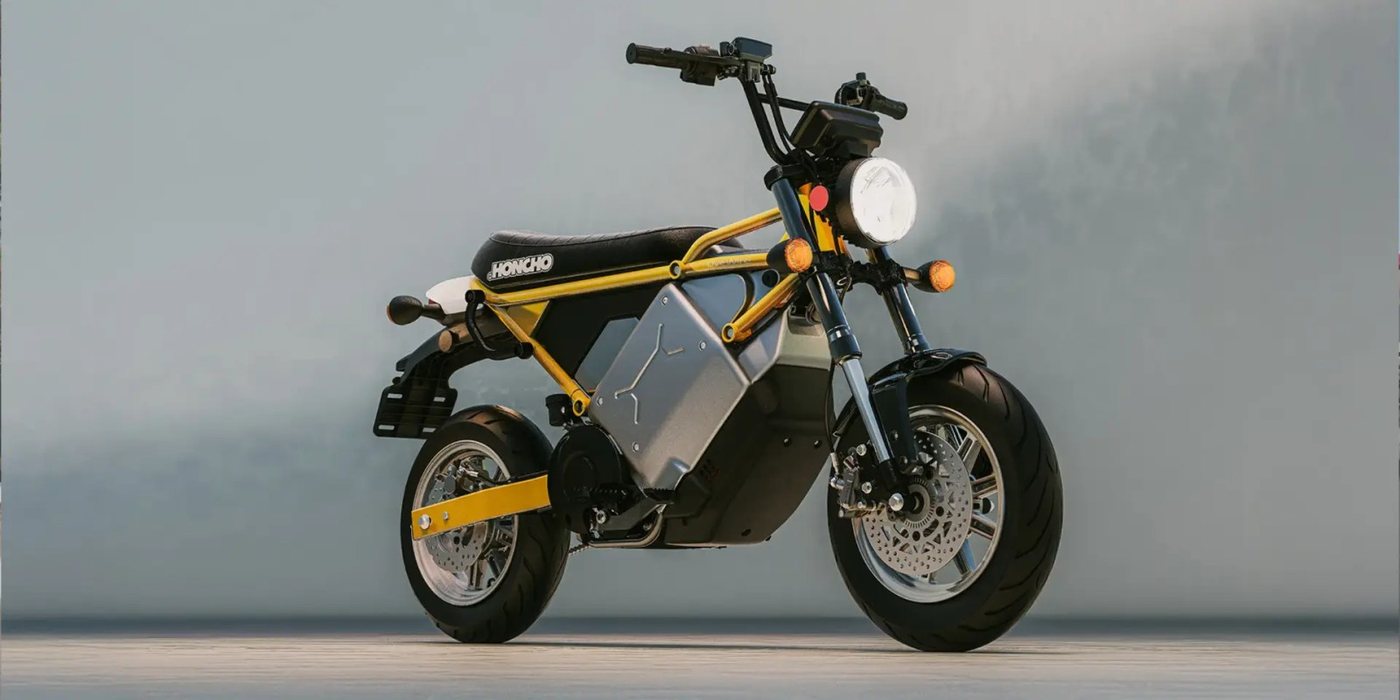
LiveWire S4 Honcho Street Approved for Rider Training Programmes
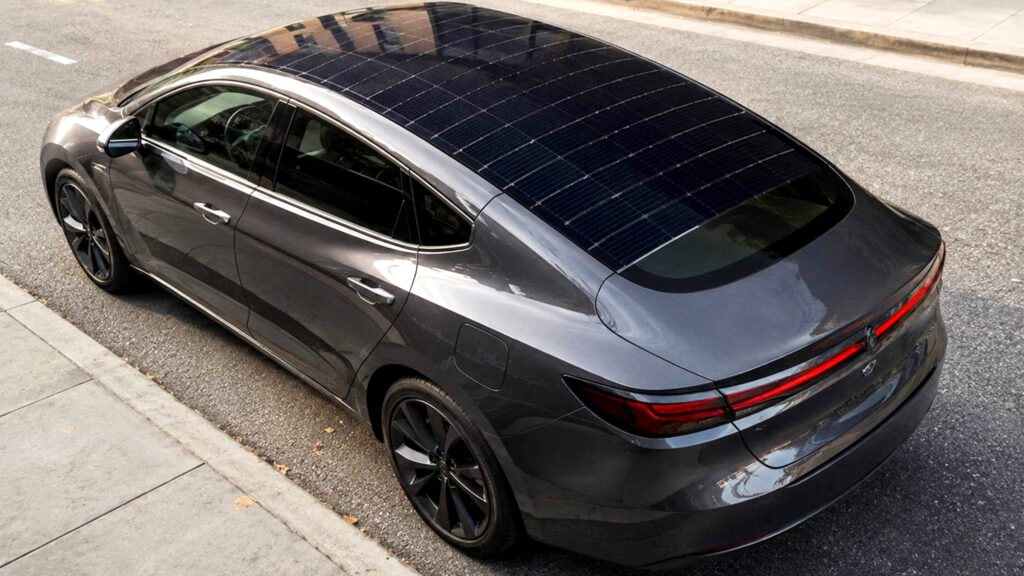
Chinese glass giant Fuyao Group says its solar glass sunroof is validated and ready for mass production, with reports linking it to BYD's Han and Tang models as a roughly $1,190 option. The technology adds only modest daily range, but could cut charging visits significantly for some commuters.
By Charlotte Redford · 3 min read
Fuyao Group, one of the world's largest automotive glass producers, says it has finished developing a solar glass sunroof for electric vehicles and is ready to put it into mass production. The company, which counts Ford, General Motors, Subaru, Tesla and the VW Group among its customers, has laminated solar cells directly into automotive glass, with the cells covering the entire roof panel and spilling down across a large section of the rear window.
The client list matters more than the technology demonstration itself, because Fuyao is not a startup trying to buy its way into the market with a novelty. Its existing production facilities in Yangxia and Hefei have a combined annual capacity of 3 million sets of automotive glass, and that capacity is increasing this year. There is no word yet on how many solar glass roofs the company plans to produce, but the technology's fate hinges on carmakers deciding it is worth the investment.
According to PV Magazine, reports from China earlier this year suggested that Fuyao was working with BYD and that the solar glass sunroof would be offered as an option on the Han and Tang models, priced at approximately 8,000 yuan, or about $1,190. Neither brand has confirmed the arrangement, and given how quickly current BYDs can charge thanks to the firm's 1,500 kW Flash Charging network, there is little need for its vehicles to also use solar panels to capture energy for just a few extra miles a day.
Fuyao is far from the only company interested in solar glass roof panels. Earlier this year, two Nissan engineers created a special Ariya that uses solar panels across the roof, tailgate and hood. Under clear skies, Nissan says the panels can gather enough energy for up to 14.3 miles (23 km) of additional range in a single day. Spread across a full calendar year, that averages out to roughly 6.3 miles (10.2 km) daily in London, 11.7 miles (18.9 km) in New Delhi, 13.2 miles (21.2 km) in Dubai and 10.9 miles (17.6 km) in Barcelona.
The gains shrink once the vehicle is moving, however. On a two-hour, 50-mile (80 km) drive, the panels collected 0.5 kWh, good for another 1.8 miles (3 km). While that does not sound like a lot, Nissan says its analysis showed that commuters who typically drive 3,728 miles (6,000 km) per year could reduce their annual charging-station visits from 23 to just 8 if they drove an EV with solar cells like this.
Every EV engineer on the planet is currently chasing the same goal: more range without more battery. The answers keep arriving from unexpected corners of the industry, and solar glass is emerging as one of the more practical options because it adds no moving parts and requires no driver input. The technology is not a miracle cure for range anxiety, but for drivers who leave their cars parked in the sun for long periods, the cumulative energy harvest could meaningfully reduce how often they need to plug in.
50