Business 202
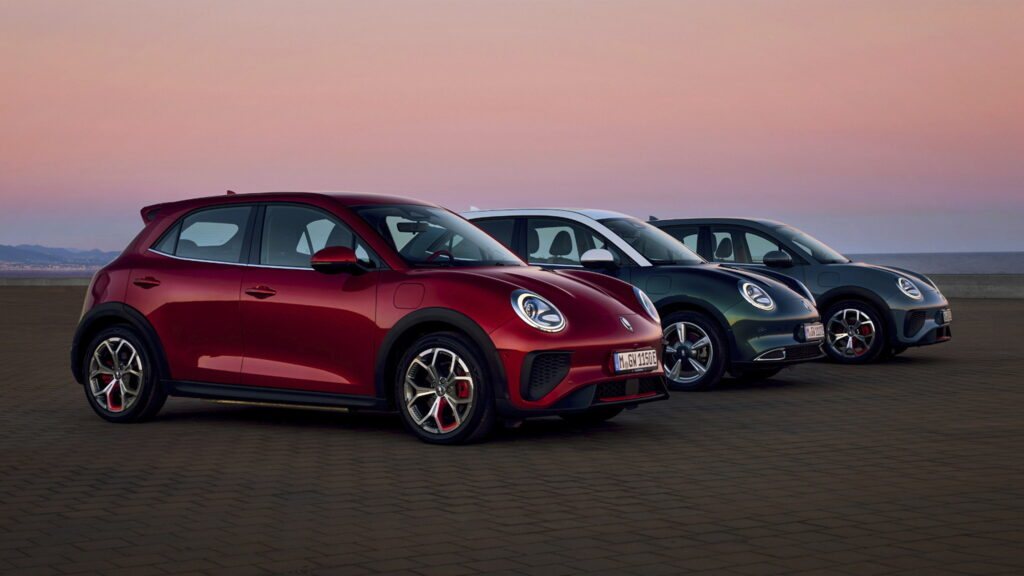
Geely Confirms Canadian Launch for 2027
In this issue
Business 202
Geely Confirms Canadian Launch for 2027
Culture 221
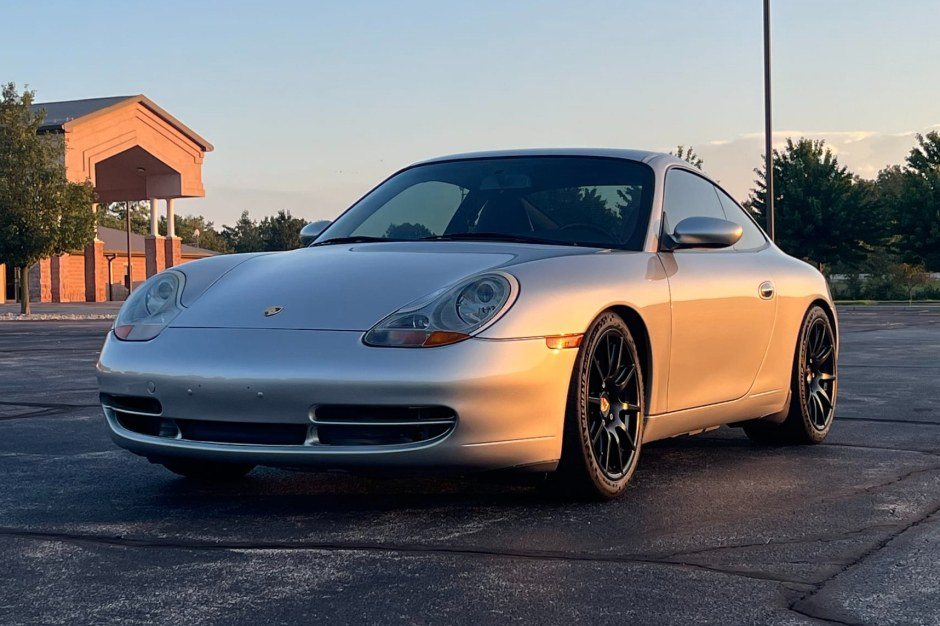
1999 Porsche 911 Carrera Coupe with $30k in Recent Work Heads to Auction
Economy 37
Russia's EV Share Overtakes US as Fuel Shortages Bite
News 149
Weekly Exercise Linked to Slower Memory and Movement Decline in Parkinson's Patie…
Politics 110
Trump Urges Republicans to Vote by Mail After Years of Criticising the Practice
Sports 265
Southampton to Host Portsmouth in Scheduled Fixture on 11 October 2026
Technology 258
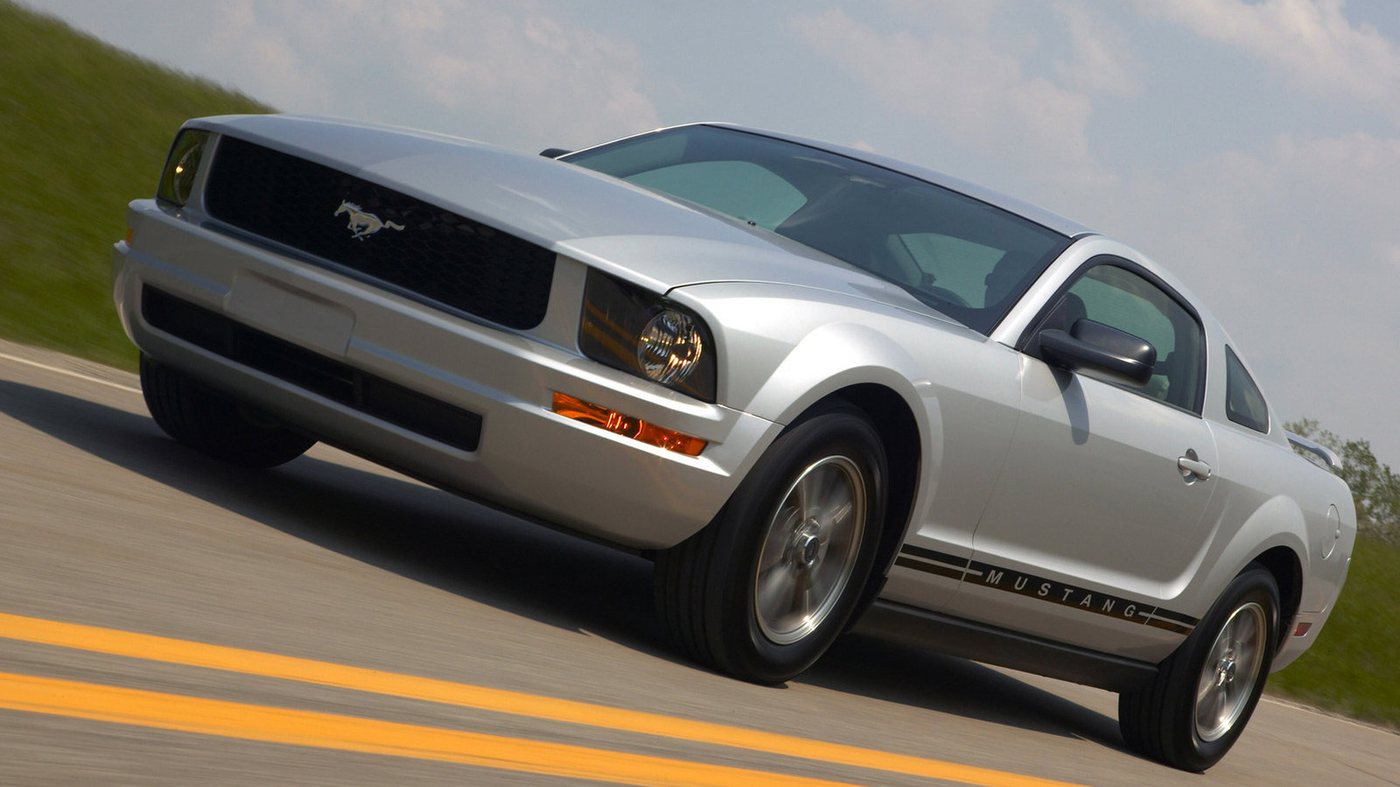
Ford Mustang GT Manual Matches 2009 Fuel Economy Despite Power Boost
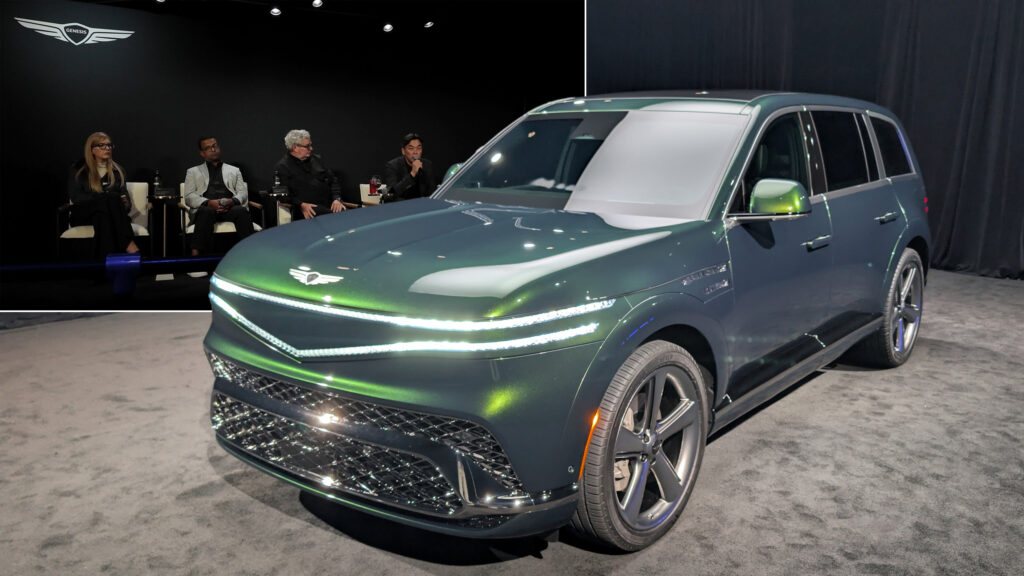
Genesis executives say an extended-range electric version of the new GV90 flagship remains technically possible, with customer demand set to decide whether the EREV reaches production.
By George Kensington · 3 min read
Genesis has not ruled out offering a range-extended electric version of its new GV90 flagship SUV, with senior executives confirming the technology remains compatible with the model. The admission came at the vehicle's debut in San Francisco, where chief creative officer Luc Donckerwolke said an EREV variant was a live possibility. Asked directly whether the powertrain could be added, he replied: «Why not? It's compatible. It's another discussion.»
The GV90 launches strictly as a battery-electric vehicle, powered by a 123.5 kWh pack — the largest yet used by Hyundai Motor Group — and producing 657 hp. Genesis claims approximately 310 miles of range for the seven-seat version and a 10-to-80 percent fast-charge time of 22 minutes. Donckerwolke defended the all-electric decision for now, citing the torque delivery, silence, and the expectations of luxury buyers. «We believe today that the electric powertrain is ideal for this type of vehicle,» he said.
An EREV configuration would differ from a conventional hybrid. Electric motors would continue to drive the wheels, while a petrol engine would act primarily as an onboard generator, preserving the quiet character of the EV while reducing range anxiety on longer journeys. That approach would give the GV90 a capability that rivals such as Cadillac's Escalade IQ do not currently offer.
Sean Lee, a Genesis executive, echoed Donckerwolke's remarks, stating that «in the future, the EREV door is still open. We will explore all opportunities depending on customer demand.» He added that the GV90 is the only model in the lineup that is battery-electric only for now, with the rest of the range set to offer hybrid, EREV, and fully electric options.
The comments stop short of a production announcement. Genesis has yet to confirm ordering dates or pricing for the BEV GV90. However, the statements from top executives go beyond a standard corporate non-answer, signalling that the SUV has been engineered with the possibility of an EREV powertrain in mind.
Donckerwolke remained emphatic about the long-term direction of the industry. «EVs are the future,» he said. «Combustion is going to be obsolete. It'll disappear.» He conceded that combustion engines might survive in exotic vehicles but argued that most concerns about electric cars come from people who have never driven one.
The immediate question is what luxury SUV buyers will want when the GV90 reaches dealerships next year. Genesis is betting on a battery-electric-only flagship, but the company has made clear that the EREV door remains open — and it may need to open sooner than planned if customer demand calls for it.
63