Business 153
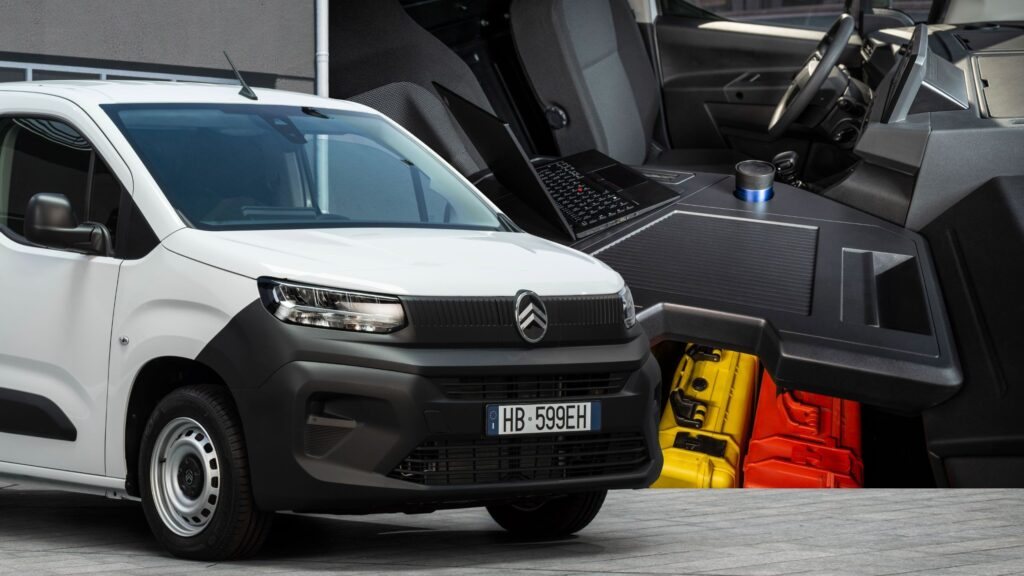
Stellantis Adds Budget Trims and Mobile Office to Citroen Berlingo and Opel Combo…
In this issue
Business 153
Stellantis Adds Budget Trims and Mobile Office to Citroen Berlingo and Opel Combo…
Culture 169
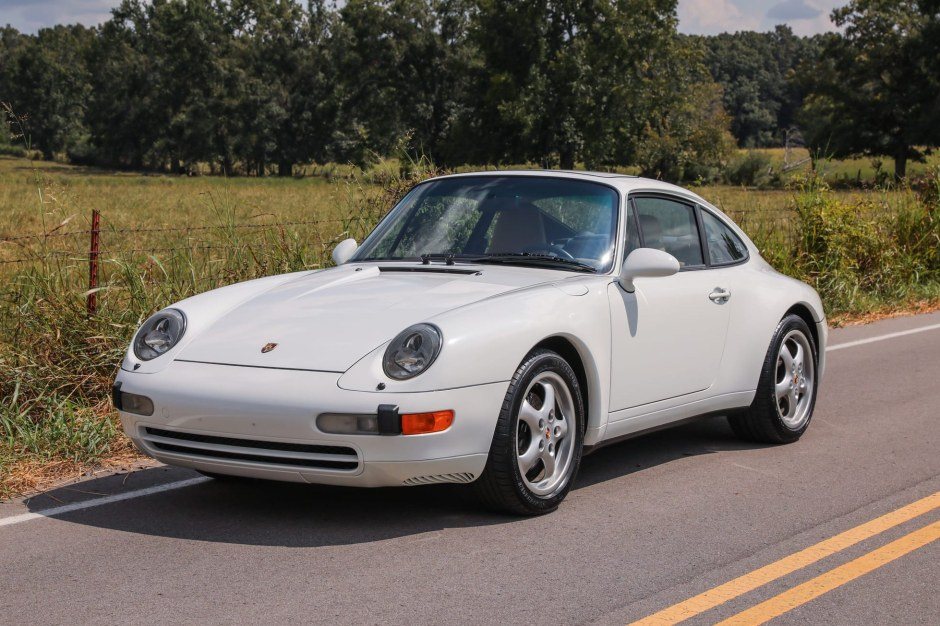
1996 Porsche 911 Carrera Coupe in Grand Prix White Heads to Auction
Economy 33
Bitcoin and Ethereum Surge to Levels Last Seen in January
News 132
Sarandon and Einbinder arrested at anti-Netanyahu protest in New York
Politics 108
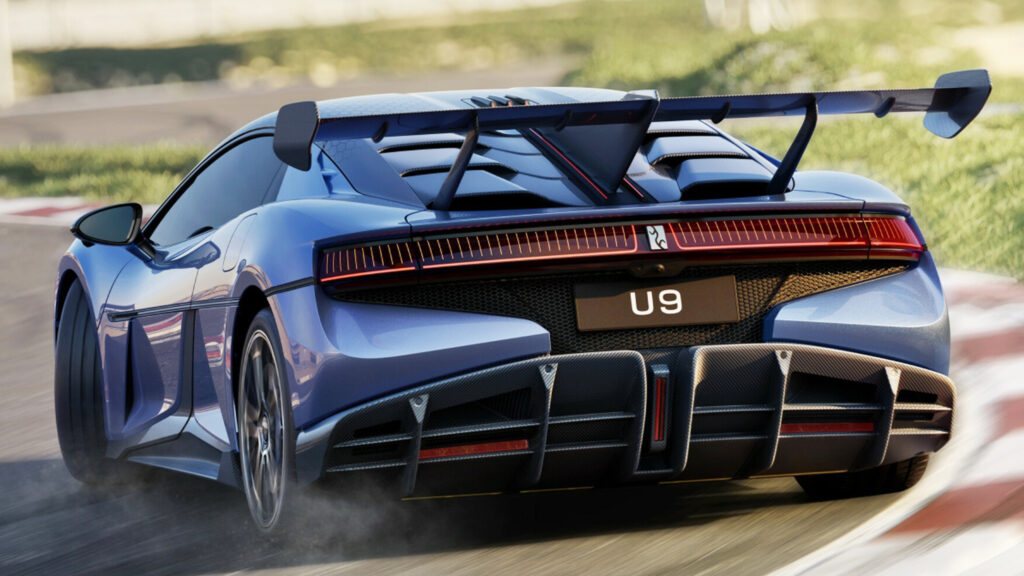
US Lawmakers Move to Permanently Ban Chinese Cars
Sports 248
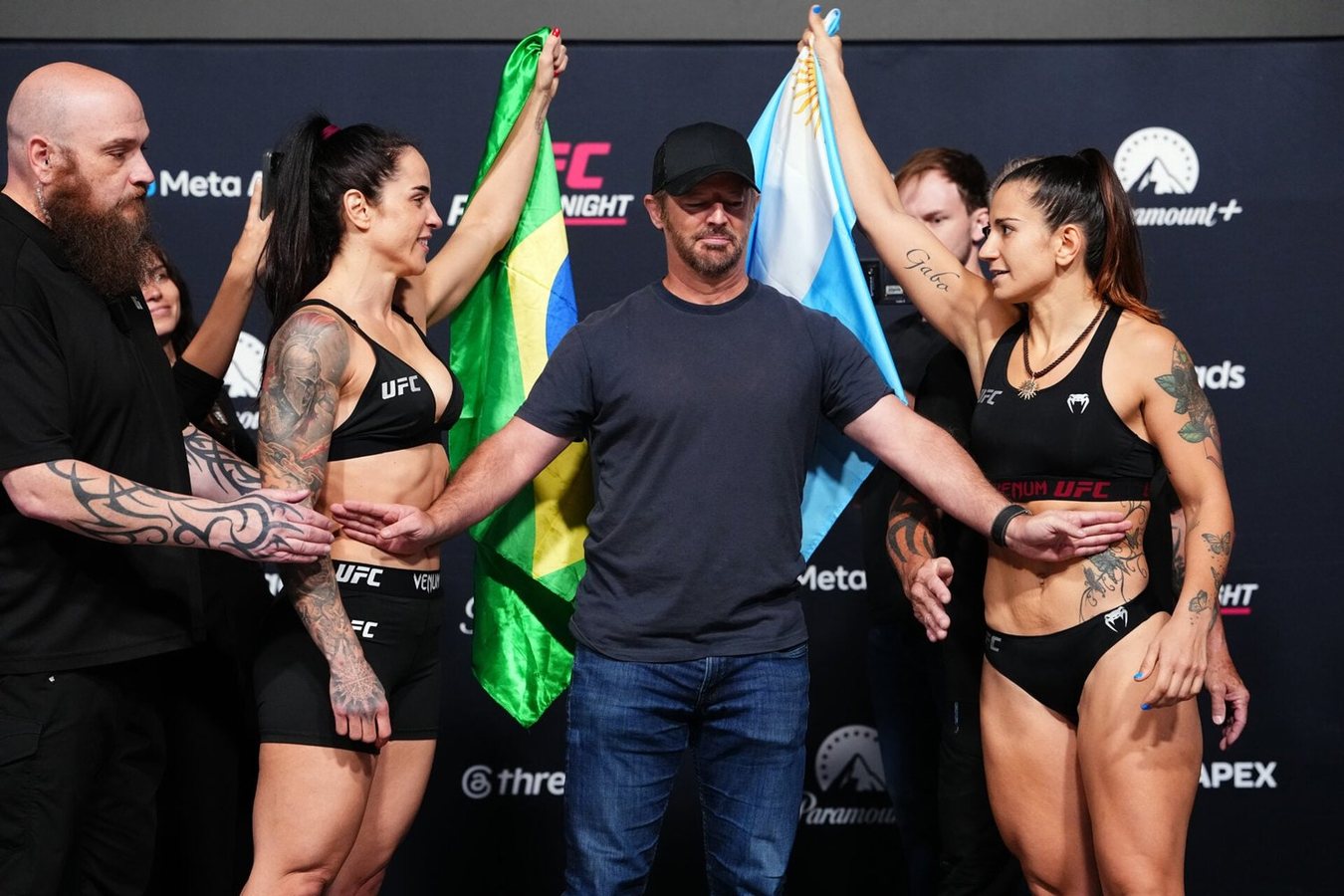
Dumont and Perez settle bitter rivalry at UFC Vegas 121
Technology 174
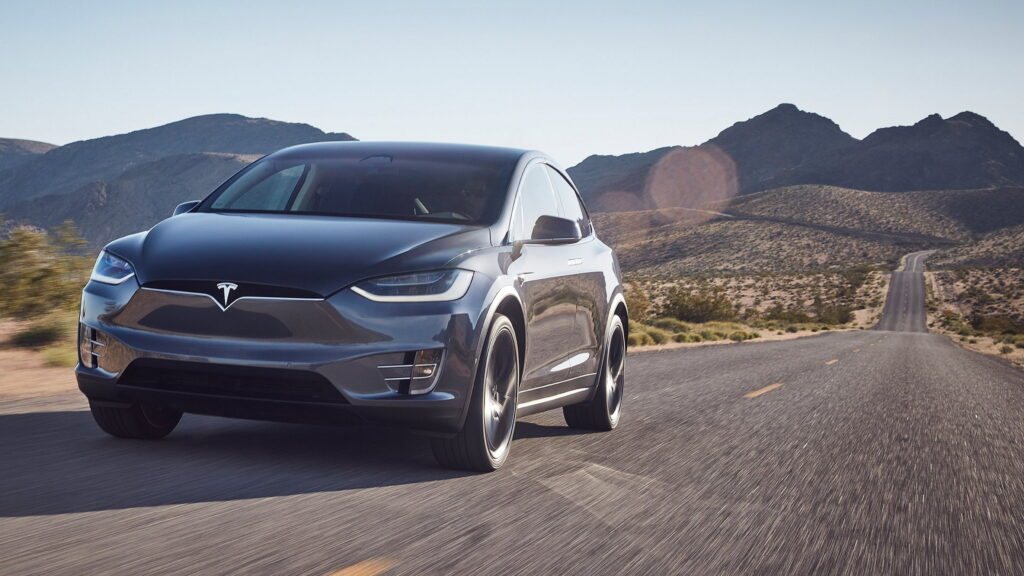
Family Sues Tesla Over Model X Sudden Acceleration Claim
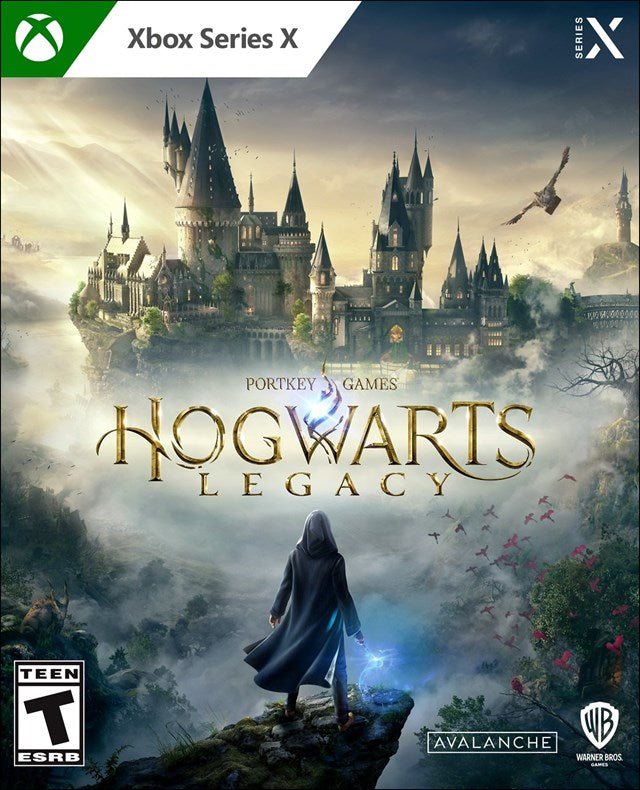
The sequel is formally in WBD’s pipeline after the original crossed 40 million sales. What remains hidden is the product itself: date, platforms, story and scope.
By Eleanor Ellington · 4 min read
A sequel to Hogwarts Legacy has landed in the place where corporate priorities become difficult to dismiss: Warner Bros. Discovery’s shareholder letter. WBD’s second-quarter 2026 update says its expanding games pipeline includes “the second installment of Hogwarts Legacy.”
The announcement is deliberately unglamorous, but it says more about commitment than a teaser might. Warner Bros. is funding fewer games with greater conviction and expects the division to contribute more meaningfully to Studios profitability. The next Hogwarts Legacy is one of the projects chosen to carry that strategy.
The first game earned the position. Warner Bros. Games said in December 2025 that Hogwarts Legacy had sold more than 40 million copies worldwide, making it the biggest video game release in the publisher’s history. That is the kind of installed audience that can support a sequel before its first frame is shown.
Avalanche Software designed the original around an elegant proposition: do not make players reenact Harry Potter’s life; let them live at Hogwarts themselves. Set in the 1800s and published under Portkey Games, the RPG offered a new student, a different conflict and a version of the Wizarding World that could stand beside the films rather than beneath them.
The launch expanded across several hardware generations. PlayStation 5, Xbox Series X|S and PC came first in February 2023, followed by older PlayStation and Xbox consoles and Nintendo Switch. A Switch 2 release later added another audience. The result was a long commercial tail instead of a single blockbuster weekend.
The sequel now carries a different burden. The shareholder letter provides no release year, platforms, final title, footage or feature set. More importantly, it does not explain how the team plans to recreate the sense of wonder that came from entering an explorable Hogwarts for the first time.
Warner Bros. has been thinking about that challenge for years. In 2024, executive David Haddad told Variety that a sequel was already a major priority and that some high-level story elements were being coordinated with the HBO Harry Potter series. That suggests a disciplined franchise map, not necessarily a shared plot.
The games division then went through a painful contraction. Three studios were closed in 2025, Wonder Woman was canceled and Warner Bros. said development would center on Harry Potter, Mortal Kombat, DC and Game of Thrones. Concentration is now a defining management choice rather than a slogan.
For players, the attraction of Hogwarts Legacy 2 will come down to craft: deeper systems, stronger characters and a world that feels worth revisiting. For Warner Bros., the question is also one of judgment. A proven brand can still be mishandled if scope, budget or timing outruns the idea.
The shareholder letter has settled the simplest question — another large Hogwarts Legacy is coming. The harder questions are still ahead, and they are the ones that will determine whether this becomes a lasting gaming franchise rather than a sequel created because the first number was too large to ignore.
59