

Business 140
BMW Chief Says China-Made iX3 Will Stay Profitable Despite Deep Price Cuts
In this issue
Business 140
BMW Chief Says China-Made iX3 Will Stay Profitable Despite Deep Price Cuts
Culture 150
Max Mara champions understated elegance at Milan Fashion Week
Economy 33
Bitcoin and Ethereum Surge to Levels Last Seen in January
News 131
Trump Tells UN Iran Faces Choice Between Deal and Annihilation
Politics 108
US Lawmakers Move to Permanently Ban Chinese Cars
Sports 245
MINI to Debut New Adventure SUV at Rebelle Rally
Technology 162
Chevrolet Builds Two Corvette Generations at Once for the First Time
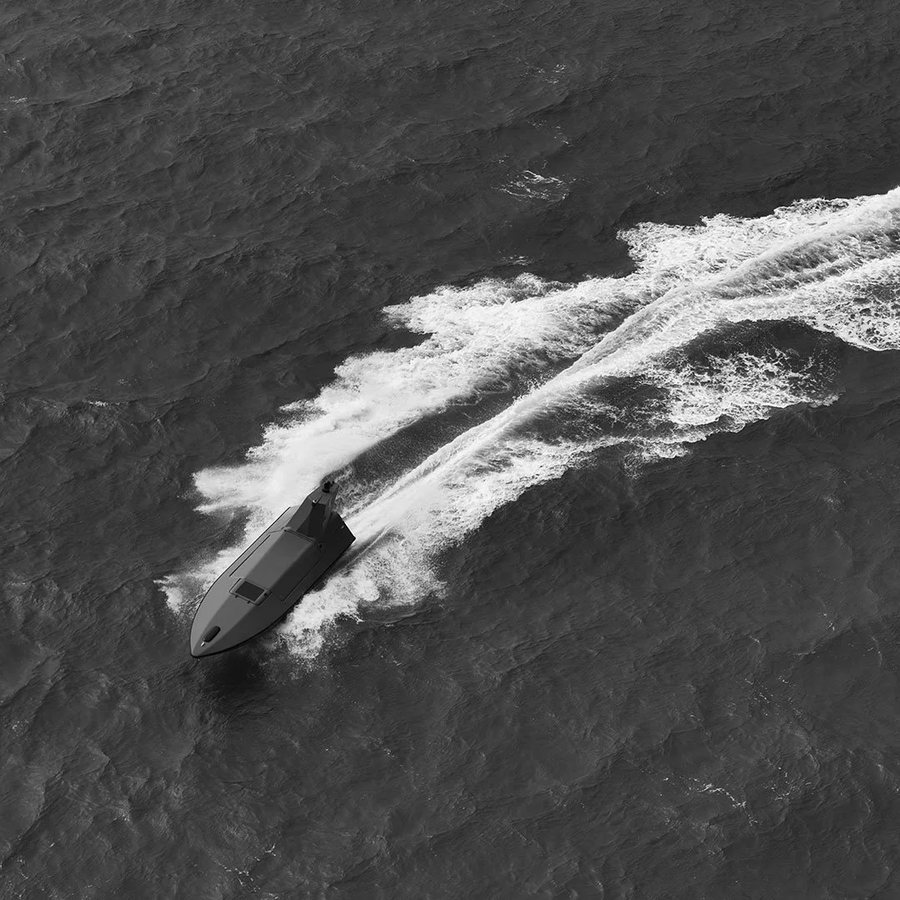
A status signal to China did not become a proven intelligence leak, but it exposed the leadership challenge behind buying fast-moving military technology from complex global supply chains.
By Edward Beaumont · 5 min read
Leadership in defence procurement often fails in the least glamorous place. The K3 Scout is a fast unmanned boat built for surveillance, rapid deployment and potentially precision strikes. Yet the question now hanging over the programme is not its speed or firepower. It is whether a camera should ever have been able to contact an internet address in China.
The Telegraph reported that cameras on British K3 Scouts sent heartbeat messages to a Chinese IP address. The Wall Street Journal and The Times reported the same basic finding. A heartbeat is normally a small status signal that tells a remote service a device is online. No public evidence shows that the cameras transmitted classified video or imagery to China.
Britain’s Ministry of Defence said it found the behaviour during a cyber-vulnerability assessment, removed the cameras’ internet connection and conducted an investigation. The ministry says it found no evidence that sensitive data or systems were accessed, compromised or transmitted externally.
That should prevent an important category error. This is not a confirmed story of stolen reconnaissance footage. It is a story about a connection that should not have existed on a sensitive platform without the customer knowing exactly why it was there. For a military operator, the difference between those two propositions is enormous — but neither is trivial.
K3 Scout’s promise is built around speed. Britain has acquired 20 craft under Project Beehive. The Royal Navy recently demonstrated dropping unmanned vessels from a transport aircraft, a concept designed to get capability into a theatre quickly. QinetiQ has said it was helping prepare K3 boats for potential deployment near the Strait of Hormuz.
Speed creates its own leadership problem. Commercial technology can shorten development cycles, reduce cost and deliver sensors that would once have required bespoke engineering. It can also bring hidden assumptions from the civilian market: cloud diagnostics, vendor telemetry, default network settings and opaque firmware. A responsible buyer has to decide where rapid adoption ends and deep assurance begins.
The K3 is also becoming an allied product. Kraken Technology Group says series production started at Rheinmetall’s Blohm+Voss facility in Hamburg in April. The company announced a U.S. Special Operations Command agreement worth up to $49 million in May. The same platform may therefore have to satisfy British, German, European and American expectations at once.
Britain’s own policy makes the episode more uncomfortable. The Ministry of Defence has acknowledged Chinese-manufactured goods in its supply chain and says it performs additional due diligence on sensitive equipment. The government has also been removing certain Chinese-linked surveillance systems from sensitive sites.
The Telegraph cited an unnamed source making more dramatic allegations, including that cameras could remain active after the boats were powered down and had been near highly sensitive special-forces meetings. Those details are not independently confirmed publicly. The official finding remains that no sensitive-data compromise was identified.
The leadership test now is what happens after the immediate fix. Cutting the cameras off from the internet is straightforward. Building a procurement culture that can identify similar behavior before deployment is harder. It requires suppliers to disclose software dependencies, engineers to test outbound traffic and managers to accept that a cheap sensor can carry a risk disproportionate to its price.
K3 Scout may still become a successful allied platform. If it does, the more important achievement will not be restoring its image after this episode. It will be demonstrating that a high-speed defence programme can also be disciplined enough to know exactly what every component is doing when the boat goes dark.
54