Business 120
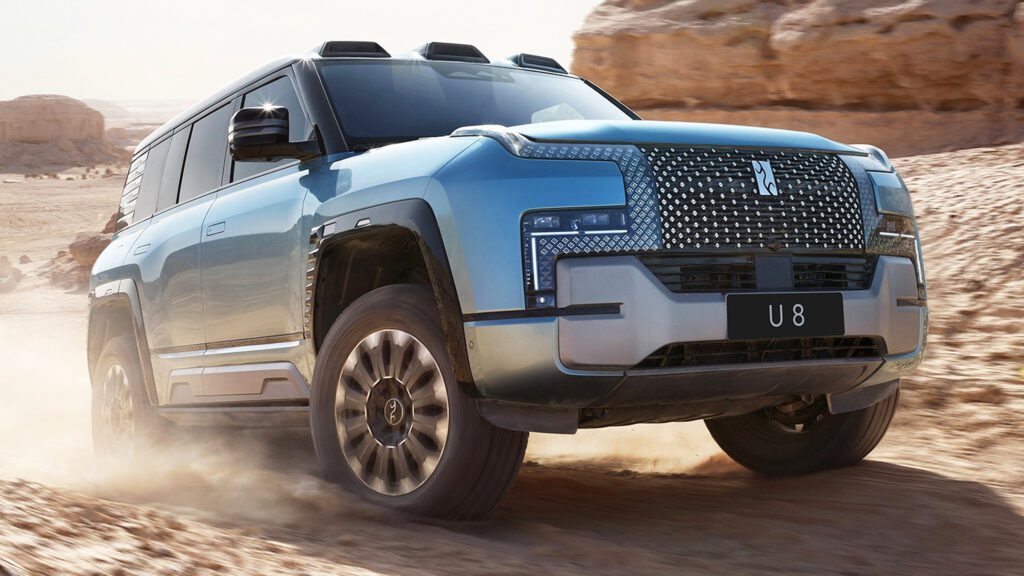
BYD Plans Three European Assembly Plants and a Battery Factory
In this issue
Business 120
BYD Plans Three European Assembly Plants and a Battery Factory
Culture 123
Safari-Style 2010 Porsche 911 Carrera 4S Coupe Heads to Auction
Economy 30
HMRC is writing to low earners about pension top-ups averaging about £70
News 127
London Mayor Funds Safer Streets for Women and Girls
Politics 105
Reform UK's Welsh Leader Dan Thomas Resigns After Arrest on Suspicion of Assault
Sports 238
Ab Jenkins and the Salt Flats: How Pennzoil Backed the Quest for Speed and Safety
Technology 140
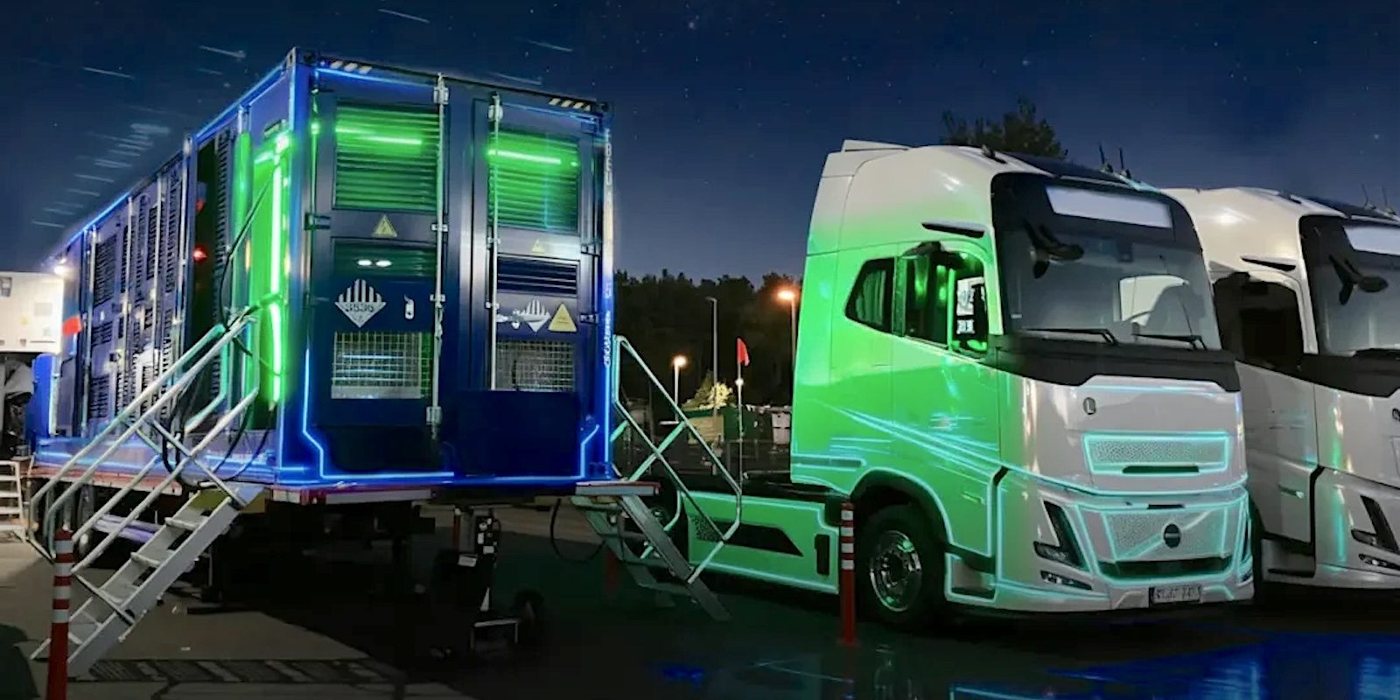
CATL and Octopus Energy Launch Swaptopus Battery Swap Network for Trucks
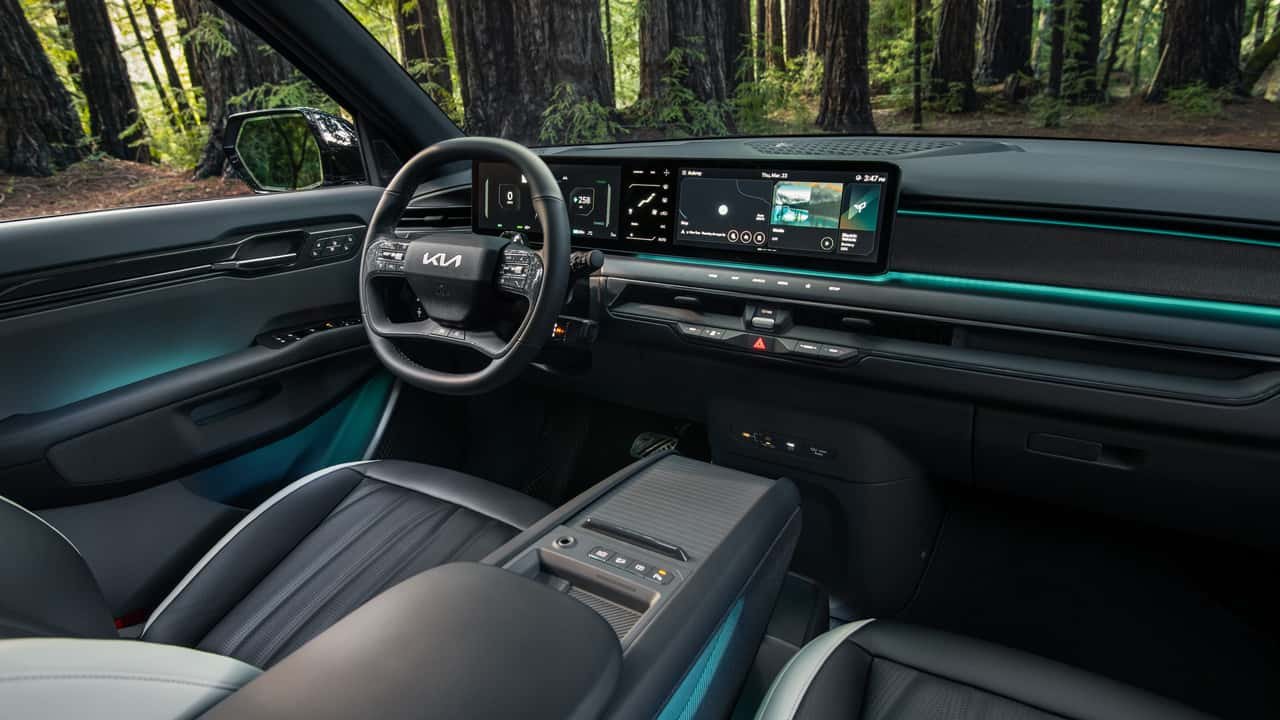
The US House of Representatives has passed a bill that would require every new car sold in America, including electric vehicles, to be equipped with AM radio, setting up a potential clash with automakers.
By Charlotte Redford · 4 min read
The US House of Representatives has passed legislation that would require every new car sold in the country to be fitted with AM radio, a move that would directly affect electric vehicle manufacturers who have been removing the technology from their models.
The bill, which advanced through the House, would make AM radio a mandatory feature in all new vehicles, including EVs. The requirement is designed to preserve access to a network of AM stations that serve as a critical source of news, emergency alerts, and local programming across the United States.
Automakers have increasingly omitted AM radio from electric vehicles, arguing that the electromagnetic interference generated by electric powertrains degrades AM reception to an unacceptable degree. Several manufacturers have removed AM radio from their EV line-ups in recent years, citing technical challenges that they say are difficult and costly to overcome.
Proponents of the mandate argue that AM radio remains an essential communications tool, particularly in rural areas where broadband access is limited and during emergencies when other networks may fail. They contend that dropping AM radio from vehicles creates a safety gap and disadvantages millions of listeners who rely on the band for information.
The legislation now moves to the Senate, where its prospects are uncertain. If enacted, it would compel carmakers to engineer solutions for the interference problem or risk running afoul of federal requirements. The bill represents a significant intervention in vehicle design, an area where manufacturers have traditionally enjoyed considerable latitude.
For the automotive industry, the proposal adds another layer of regulatory complexity as it navigates the transition to electric mobility. Manufacturers have warned that mandates of this kind could increase production costs and slow the adoption of EVs at a time when governments are pushing for faster decarbonisation of transport.
The dispute highlights a broader tension between technological change and the preservation of legacy infrastructure. AM radio, once a dominant medium, has seen its audience decline, yet it retains a unique role in the emergency broadcasting ecosystem. Lawmakers supporting the bill frame it as a matter of public safety and consumer choice rather than nostalgia.
Should the Senate approve the measure and it becomes law, automakers would need to redesign components and shielding in future models to meet the requirement. The timeline for compliance would depend on the final wording of the legislation and the rule-making process that follows.
The bill's passage in the House marks a victory for broadcasters and rural advocacy groups that have lobbied to keep AM radio in vehicles. It also signals that Congress is willing to step into an area of product design that has largely been left to market forces.
For now, the proposal remains a step short of becoming law. Its fate rests with the Senate, where competing priorities and industry lobbying could shape whether AM radio becomes a permanent fixture in the next generation of American cars.