
Business 202
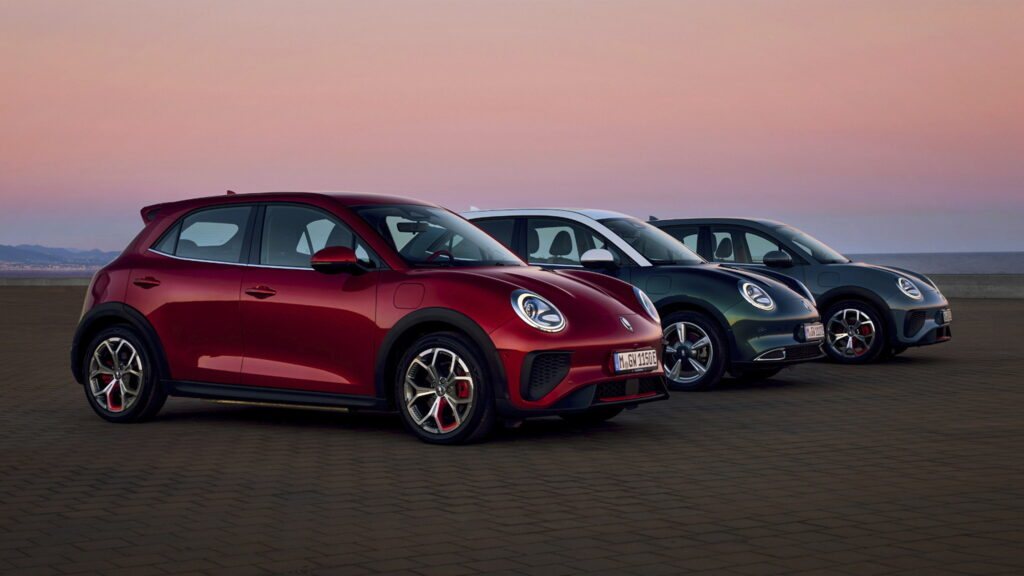
Geely Confirms Canadian Launch for 2027
In this issue
Business 202
Geely Confirms Canadian Launch for 2027
Culture 227
1997 Ferrari F355 Spider with Six-Speed Manual Listed for Sale
Economy 37
Russia's EV Share Overtakes US as Fuel Shortages Bite
News 149
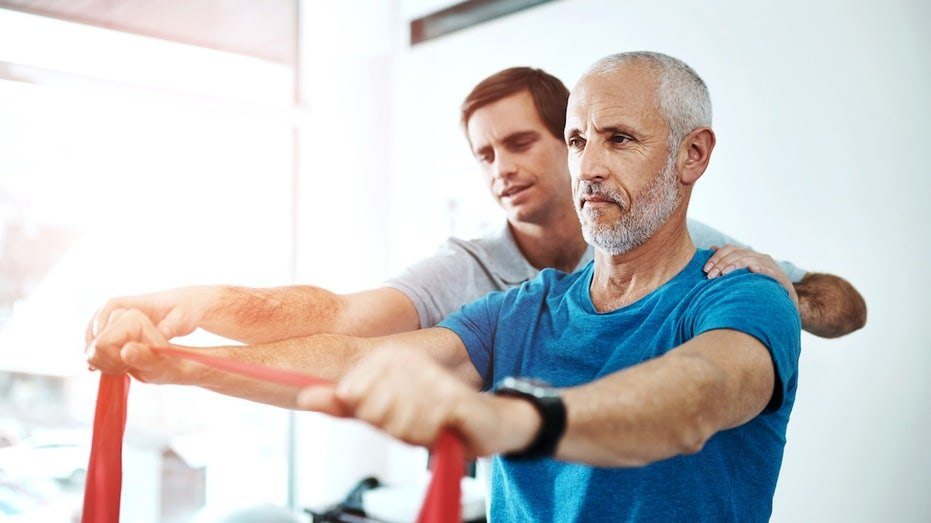
Weekly Exercise Linked to Slower Memory and Movement Decline in Parkinson's Patie…
Politics 111
Trump Names Katie Zacharia as White House Press Secretary
Sports 265
Southampton to Host Portsmouth in Scheduled Fixture on 11 October 2026
Technology 259
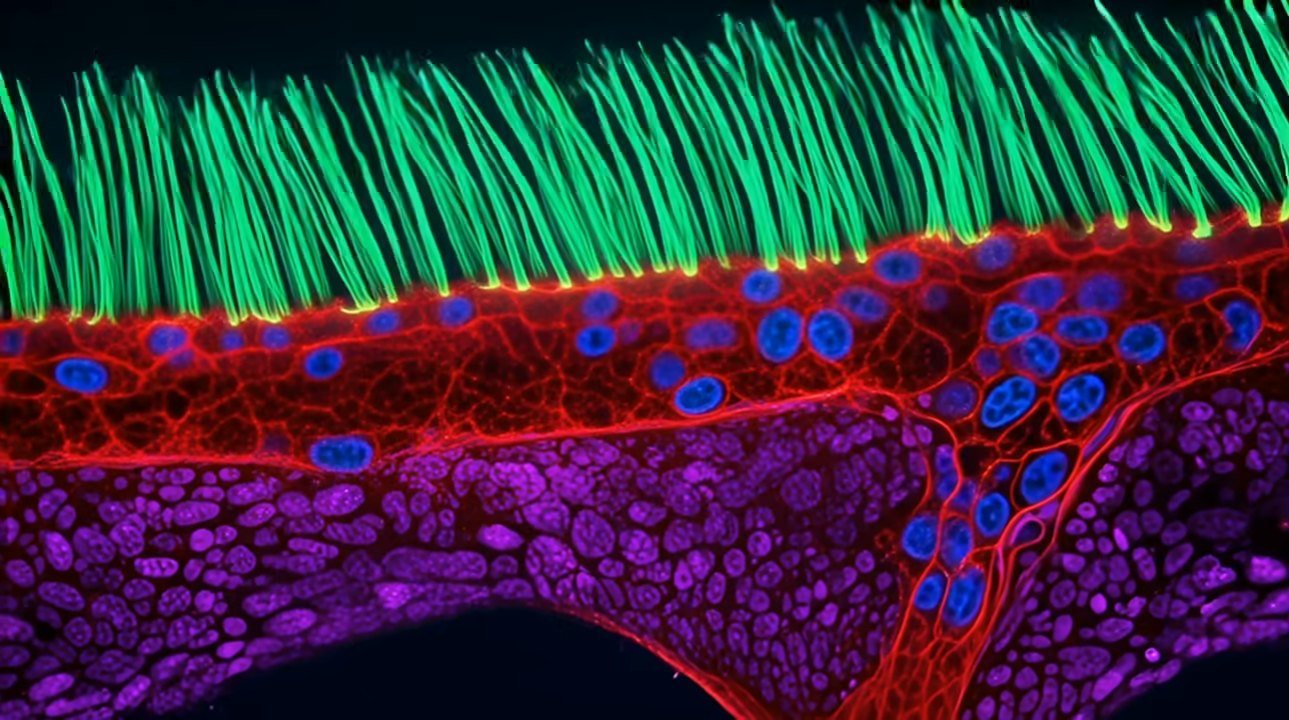
Nikon Disqualifies Small World in Motion Winner Over Generative AI Use
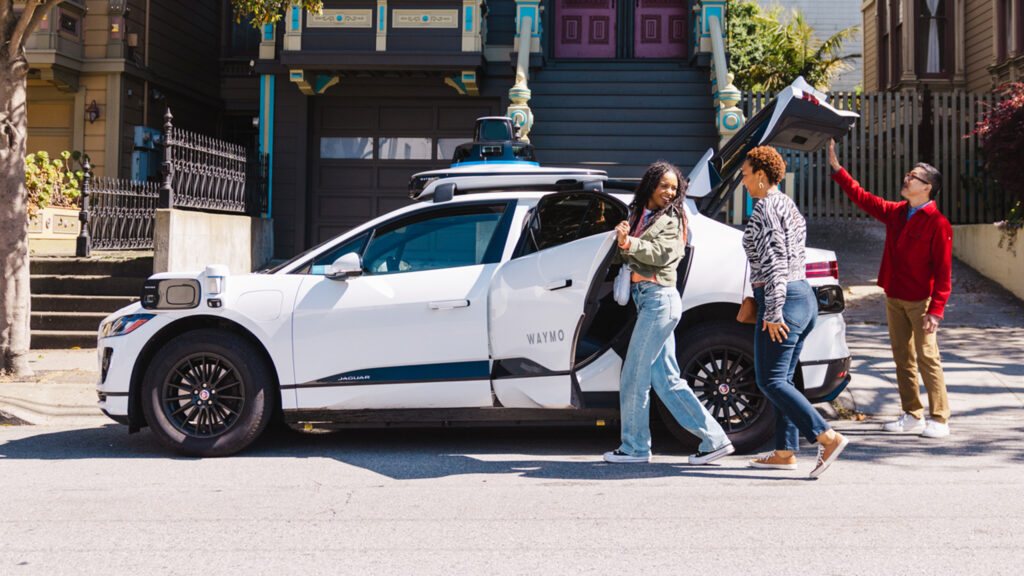
Volvo has rolled out a software update that lets its newest electric models detect animals, cyclists and pedestrians by the roadside and alert other connected Volvos through the cloud.
By Edward Beaumont · 3 min read
Volvo has given its newest electric models the ability to warn other connected cars about animals, cyclists and pedestrians on the road ahead. The update, which applies to the EX60, EX90 and ES90, uses the cars’ sensors and cameras to detect larger animals such as deer or sheep, then uploads the hazard’s position to the cloud so other Volvos in the area can alert their drivers before they reach the danger spot.
The system also flags vulnerable road users, including pedestrians and cyclists, as well as roadworks ahead. Alerts are shared not only between Volvo models but also with other vehicles connected through the European Data for Road Safety programme, widening the network of cars that can benefit from the warnings.
Volvo safety chief Åsa Haglund said the feature is made possible by the improved computing power of the new models compared with the brand’s previous cars. She stressed that a key priority in developing the system was ensuring drivers are not overwhelmed by alerts and that every warning feels trustworthy, otherwise drivers may start ignoring them.
“We need to make sure that whenever we warn you, it makes sense to you,” Haglund said. “If every second time it doesn’t make sense, that’s when you’re going to stop trusting the system.”
Haglund explained that the new technological platform is central to delivering that reliability. “Now, when we have this data, the new platform with the capability of collecting that amount of data and being able to analyse and train [software models] on it, that’s when we are mature enough to train the system to be very precise and alert people when relevant and leave them alone when not,” she said.
She added that Volvo launched the feature only now because the company is confident in its quality and precision. “Only when you know drivers trust the system will it actually have an impact,” she said. To that end, Volvo will not rush to be first to market with new functions, preferring to roll them out once reliability is proven. “If we acted on any idea and just sent it out there, could we be quicker? For sure. Would it make the world safer? I doubt it,” she said, noting that false positives “deteriorate trust” in driver assistance systems.
More broadly, Haglund said Volvo’s ambition is not to take control away from drivers but to offer support when their driving standards slip. “We’re human – we are prone to making mistakes. A machine can stay vigilant at all times. It does not get distracted, it does not get tired, and it can keep its eyes all around the car at the same time,” she said. “That’s the move we have to make; what we need to train [systems] for and make sure that we can cover all those situations that come up. What we need to look out for is that as long as the driver is in the loop, it’s very clear what is needed and what is expected from them.”
52