
Business 109
Dacia CEO Urges EU to Freeze Small Car Rules to Cut Prices
In this issue
Business 109
Dacia CEO Urges EU to Freeze Small Car Rules to Cut Prices
Culture 89
1988 Porsche 911 Carrera Targa G50 with Rebuilt Engine Heads to Auction
Economy 30
HMRC is writing to low earners about pension top-ups averaging about £70
News 124
Aftermarket Trackers Recover 99% of Stolen Cars as Factory Systems Fail
Politics 104
Met police open inquiry into alleged foreign donations to Reform UK
Sports 231
AMG GT Black Series Spied With Radical Aero Ahead of Nürburgring Record Attempt
Technology 117
BMW Confirms Next 3 Series Will Retain Plug-In Hybrid Power
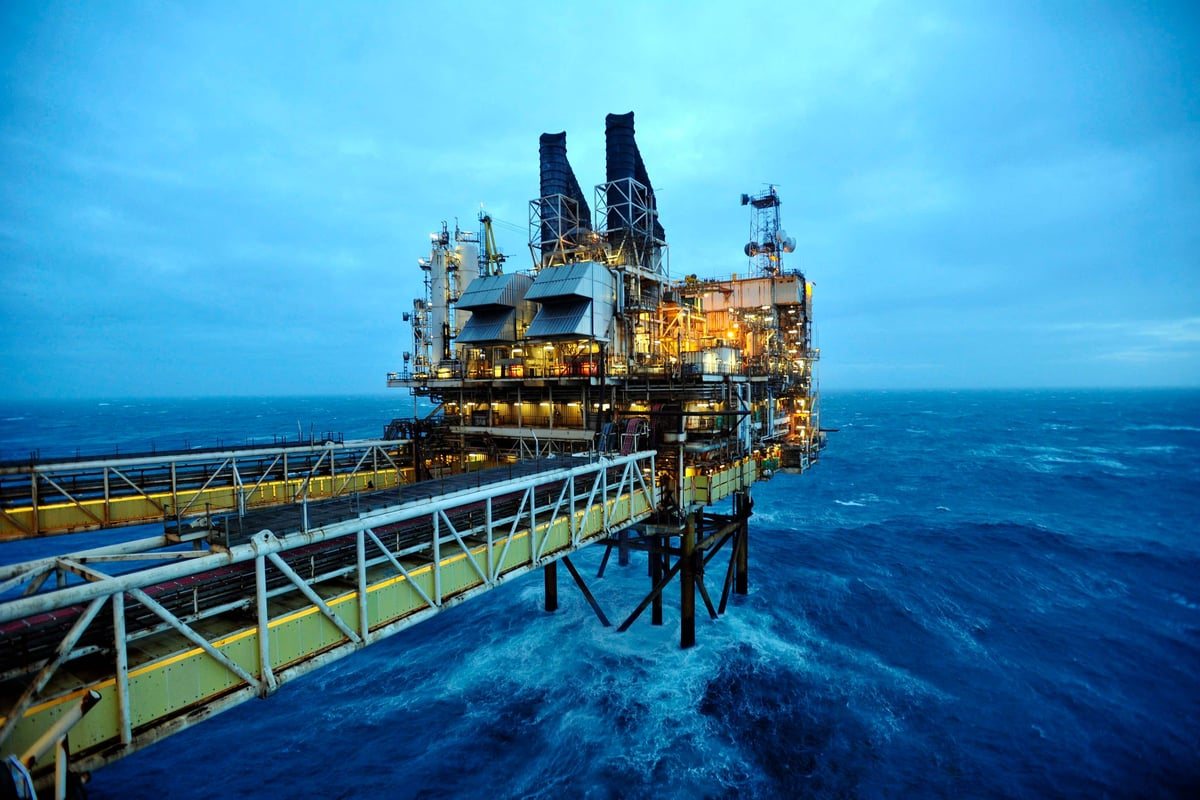
BP has launched a formal sale process for its North Sea oil and gas business, ending six decades of production in the region, as its new chief executive, Meg O’Neill, moves to simplify the company and cut debt.
By George Kensington · 5 min read
BP has put its North Sea oil and gas business up for sale, signalling the end of six decades of production in the region. The oil major said on Friday that it had started a formal process to market the business to potential buyers, as its new chief executive, Meg O’Neill, seeks to simplify the company and reduce borrowing.
The decision marks a significant milestone for an area that has been central to BP’s operations since the 1960s. The company has been a major producer in the North Sea for sixty years, and the sale process could lead to a full exit from the basin if a buyer is found.
O’Neill, who took over as chief executive, said she believed the North Sea business would be better positioned as part of another company. The energy giant employs about 1,100 people in the north, and the future of those roles will depend on the outcome of the sale.
The move is part of a broader strategy by BP to sharpen its focus and strengthen its balance sheet. Under O’Neill, the company has been reviewing its portfolio and looking for ways to cut debt, which has become a priority after years of heavy investment and lower returns in some parts of the business.
Selling mature oil and gas assets is a common step for large energy companies seeking to concentrate on newer projects or lower-carbon activities. For the North Sea, however, the sale raises questions about the long-term ownership of ageing infrastructure and the pace of decommissioning in the basin.
The North Sea has been a cornerstone of UK energy production for decades, but it has faced mounting challenges in recent years. Production from the region has declined from its peak, while costs have risen and investors have become more cautious about fossil fuel projects. BP’s decision to market its business comes at a time when the wider industry is under pressure to balance energy security with climate commitments.
A sale would not necessarily mean an immediate end to BP’s presence in the North Sea. A new owner could continue operating the fields, and BP might retain some interests or transition arrangements depending on the terms of any deal. But the formal launch of the sale process is the clearest sign yet that the company is preparing to move on from the region.
Analysts will now be watching for potential buyers. The North Sea still offers cash flow from existing production, although it also carries significant decommissioning liabilities. Any acquirer would need to weigh the remaining value of the assets against the costs of eventually shutting down platforms and cleaning up wells.
The sale process is still at an early stage, and there is no certainty that BP will find a buyer or agree terms. The company has not disclosed an asking price or a timeline for completing a transaction. It said it would update the market as the process develops.
For the UK, the sale is another reminder of the changing shape of its offshore energy industry. While oil and gas remain important to the economy and jobs in Scotland and eastern England, the shift towards renewables is accelerating. The future of the North Sea is likely to be shaped by a mix of wind power, carbon storage and, for now, the remaining oil and gas fields.
BP’s exit, if it happens, would follow similar moves by other international companies that have sold North Sea assets to smaller independent producers. These buyers often have lower operating costs and a greater tolerance for the risks associated with mature fields.
For employees, the uncertainty is real. The 1,100 people working in BP’s northern operations will be watching the sale process closely, hoping that any new owner keeps the business running and protects jobs. BP has said little about workforce plans beyond its belief that the business could thrive under different ownership.
The announcement has also reignited debate about the role of oil and gas companies in the UK’s energy transition. Some critics argue that selling off North Sea assets does not reduce demand for fossil fuels and can push production into the hands of less accountable firms. Others see it as a necessary step for a company trying to modernise and cut debt.
Whatever the outcome, the decision represents the end of an era for BP. For six decades, the North Sea has been a defining part of the company’s identity, a source of energy, revenue and engineering expertise. Now, under new leadership, BP is charting a different course, and the North Sea may soon have a new custodian.