

Business 109
Dacia CEO Urges EU to Freeze Small Car Rules to Cut Prices
In this issue
Business 109
Dacia CEO Urges EU to Freeze Small Car Rules to Cut Prices
Culture 89
1988 Porsche 911 Carrera Targa G50 with Rebuilt Engine Heads to Auction
Economy 30
HMRC is writing to low earners about pension top-ups averaging about £70
News 124
Aftermarket Trackers Recover 99% of Stolen Cars as Factory Systems Fail
Politics 104
Met police open inquiry into alleged foreign donations to Reform UK
Sports 231
AMG GT Black Series Spied With Radical Aero Ahead of Nürburgring Record Attempt
Technology 117
BMW Confirms Next 3 Series Will Retain Plug-In Hybrid Power
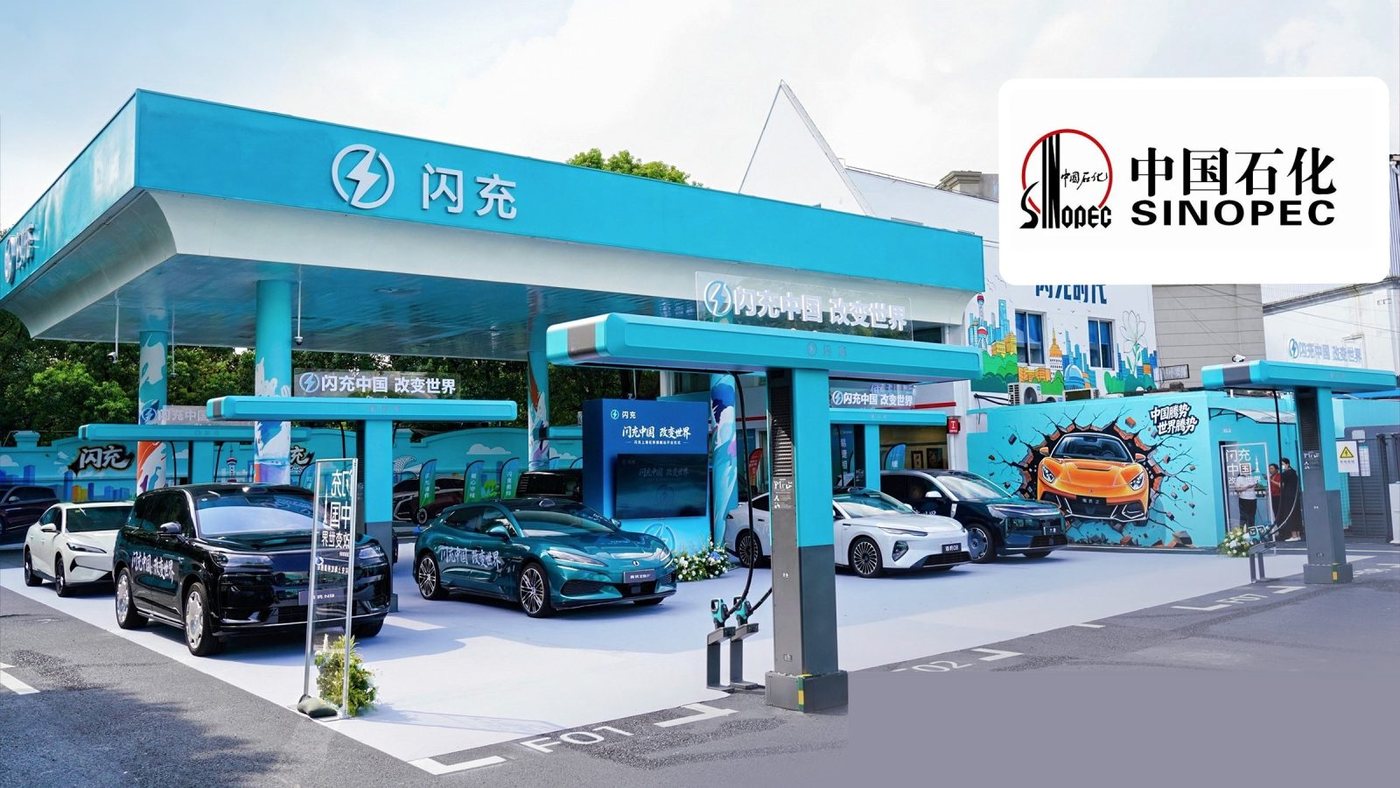
Chinese oil consumption fell sharply in the second quarter, pushing the country past peak oil and cutting emissions. The shift could destabilise global oil markets as the world’s second-largest buyer retreats.
By Edward Beaumont · 5 min read
China’s oil consumption dropped dramatically in the second quarter of this year, a decline steep enough to push the world’s second-largest buyer past peak demand and to cut the country’s overall emissions. The shift is more than an environmental milestone — it carries the potential to unravel global oil markets that have long depended on Chinese growth to absorb supply.
The scale of the contraction has surprised analysts who had expected a gradual plateau rather than a sudden reversal. For decades, China has been the principal engine of global oil demand growth, with refiners, producers and trading houses structuring their strategies around the assumption of ever-increasing Chinese consumption. A sustained decline in that demand removes the market’s anchor buyer and raises the prospect of a structural surplus that prices cannot easily clear.
Industry observers describe the dynamic as a potential death spiral for oil. As demand falls, prices weaken, which in turn accelerates the shift away from fossil fuels by making alternatives relatively more attractive and by squeezing the revenues that oil-dependent economies need to sustain production. Lower prices also discourage investment in new supply, which can create volatility, but in the current context the more immediate risk is a glut that forces high-cost producers out of the market.
The second-quarter figures mark the first time in years that China’s oil use has contracted so sharply outside of a major economic shock. The drop is attributed to a combination of factors, including the rapid electrification of the country’s vehicle fleet, a slowdown in industrial activity, and the expansion of rail freight and other alternatives to diesel-dependent transport. Electric vehicles now account for a significant share of new car sales in China, and the country’s trucking sector is beginning to adopt battery-powered models at scale.
China’s emissions decline is a direct consequence of the oil demand fall, and it strengthens the case for other governments to pursue similar transitions. But the global implications are more complex. The Organisation of the Petroleum Exporting Countries and its allies have spent years trying to manage supply in anticipation of weaker demand, and a Chinese contraction of this magnitude complicates those efforts. Producers that rely on Chinese purchases, particularly in the Middle East and Russia, face the prospect of reduced revenues just as their budgets are stretched by domestic spending programmes.
For Western economies, the shift carries mixed consequences. Lower oil prices can ease inflationary pressure and reduce the cost burden on households and businesses, but they also threaten the viability of domestic production in high-cost regions such as the North Sea and parts of the United States. Energy security strategies that assumed a gradual decline in global demand may need to be revisited if the Chinese collapse accelerates the timeline.
The broader question is whether China’s experience is a preview of what other major economies will face. If the world’s largest importer can pass peak oil without a crisis, the argument for accelerated transition becomes harder to resist. But the market disruption caused by such a rapid shift also highlights the risks of a disorderly transition, where demand falls faster than supply can adjust and where producing nations face sudden economic strain.
Analysts will be watching the coming quarters closely to determine whether the second-quarter drop is a one-off or the beginning of a sustained trend. If the latter, the oil industry will need to confront a future in which its largest growth market has become a source of contraction — a reversal that would reshape investment decisions, trade flows and geopolitical alliances for years to come.