

Business 109
Dacia CEO Urges EU to Freeze Small Car Rules to Cut Prices
In this issue
Business 109
Dacia CEO Urges EU to Freeze Small Car Rules to Cut Prices
Culture 89
1988 Porsche 911 Carrera Targa G50 with Rebuilt Engine Heads to Auction
Economy 30
HMRC is writing to low earners about pension top-ups averaging about £70
News 124
Aftermarket Trackers Recover 99% of Stolen Cars as Factory Systems Fail
Politics 104
Met police open inquiry into alleged foreign donations to Reform UK
Sports 231
AMG GT Black Series Spied With Radical Aero Ahead of Nürburgring Record Attempt
Technology 116
Waymo Expands Driverless Ride-Hailing to Las Vegas
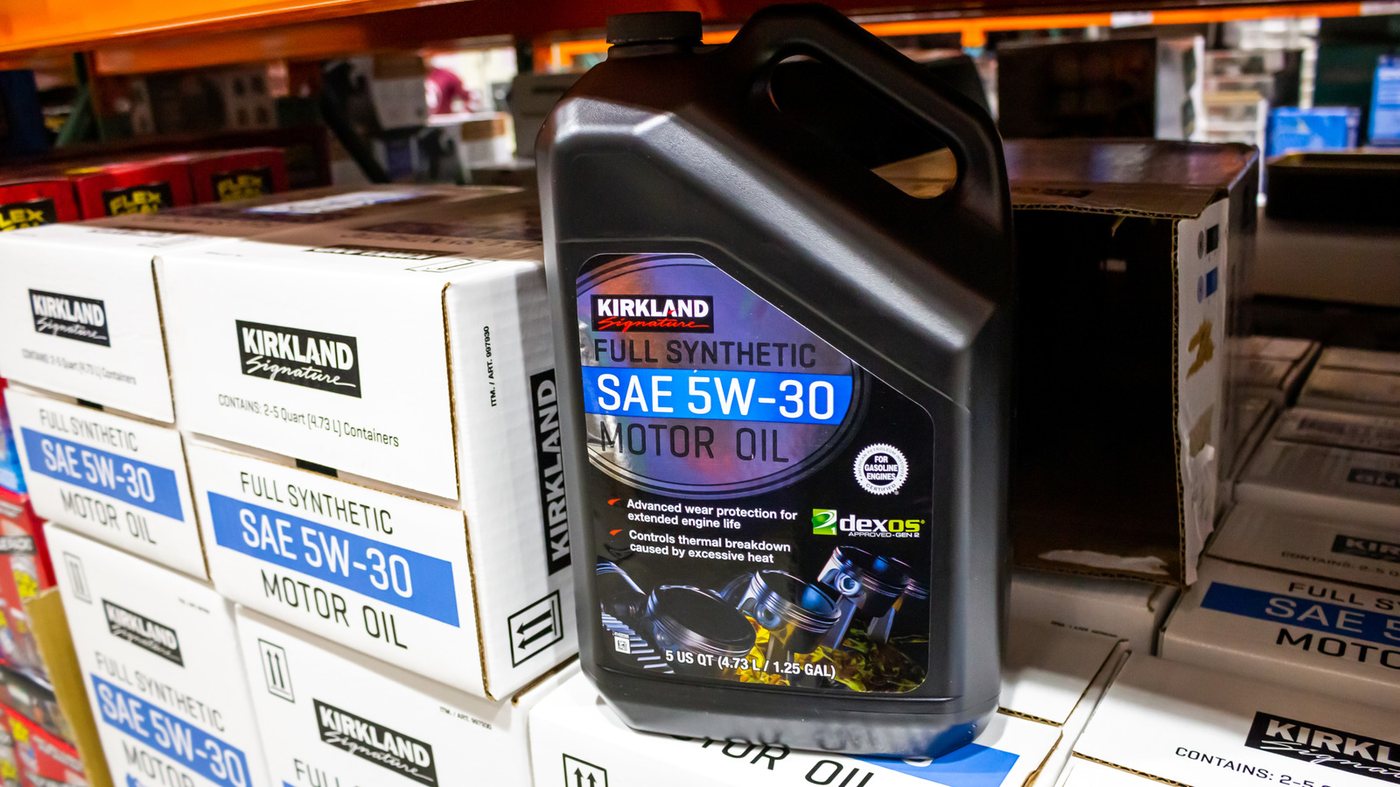
Costco has begun limiting purchases of its own-brand motor oil and raised the price sharply as refiners prioritise more profitable fuels, squeezing supply of lubricants.
By Eleanor Ellington · 4 min read
Costco has started rationing sales of its own-brand motor oil and has doubled the price as supply of the product dwindles, in a move that highlights the knock-on effects of refinery economics on everyday consumer goods.
The warehouse retailer is limiting the number of containers each customer can buy, according to reports, after supplies tightened. The price of the oil has risen sharply, with the company effectively doubling what it charges for the product.
The root cause lies in the refining process. Motor oil is derived from the same barrel of crude as petrol and diesel. When refiners can earn more by turning crude into transport fuels, they have little incentive to divert capacity to lubricants such as motor oil. That shift in profitability has reduced the availability of the base stocks used to make the oil Costco sells.
For Costco, which built much of its reputation on offering bulk goods at low prices, the decision to ration a staple product is unusual. The company has not indicated how long the restrictions will remain in place, and it is not clear whether other retailers will follow suit.
The development is likely to be felt by motorists who rely on Costco for affordable oil changes and routine maintenance. A doubling of the price erodes the savings that members expect from the warehouse club, particularly at a time when household budgets are already under pressure from broader inflation in fuel and energy costs.
Refinery economics have been volatile in recent years, with margins on petrol and diesel often outpacing those on specialty products. When that happens, lubricant production can be deprioritised, leading to tighter supplies and higher prices for consumers. The motor oil market is relatively small compared with fuels, but it is essential for vehicle maintenance and industrial machinery.
Costco’s move to ration supplies suggests the company is trying to manage limited stock rather than pass on unlimited price increases. Rationing is typically used when demand outstrips supply and a retailer wants to prevent hoarding or ensure that as many customers as possible can access the product.
The retailer has not commented publicly on the specific reasons for the shortage beyond the broader refining dynamics. It is also unclear whether the rationing applies to all stores or only certain regions, and whether online sales are affected.
For consumers, the immediate effect is higher costs and limited availability. For the wider market, the episode illustrates how decisions made in the refining sector can ripple through to retail shelves, even for products that seem far removed from the pump.
Costco’s own-brand motor oil is typically sold in large containers, appealing to members who want to save on routine car maintenance. The price increase and purchase limits undermine that value proposition, at least temporarily.
Industry analysts will be watching to see whether other retailers introduce similar measures. If refining margins remain skewed towards fuels, the supply of lubricants could stay tight, keeping prices elevated and forcing more rationing across the sector.
For now, Costco members face a simple reality: the oil is harder to find and costs significantly more. The company’s decision reflects a broader tension in the energy market, where the most profitable use of crude oil often wins out over other products.