
Business 109
Dacia CEO Urges EU to Freeze Small Car Rules to Cut Prices
In this issue
Business 109
Dacia CEO Urges EU to Freeze Small Car Rules to Cut Prices
Culture 89
1988 Porsche 911 Carrera Targa G50 with Rebuilt Engine Heads to Auction
Economy 30
HMRC is writing to low earners about pension top-ups averaging about £70
News 124
Aftermarket Trackers Recover 99% of Stolen Cars as Factory Systems Fail
Politics 104
Met police open inquiry into alleged foreign donations to Reform UK
Sports 231
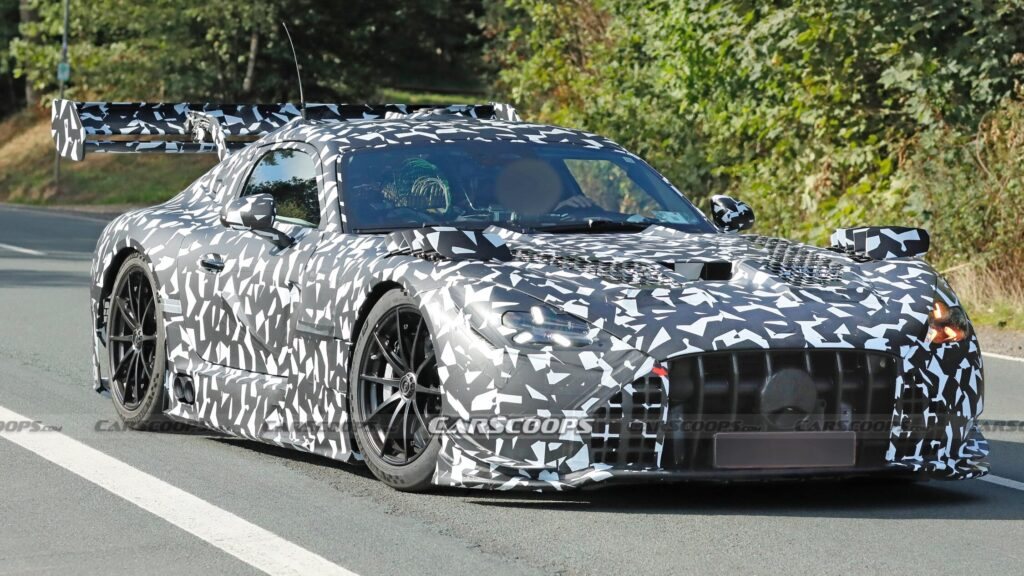
AMG GT Black Series Spied With Radical Aero Ahead of Nürburgring Record Attempt
Technology 117
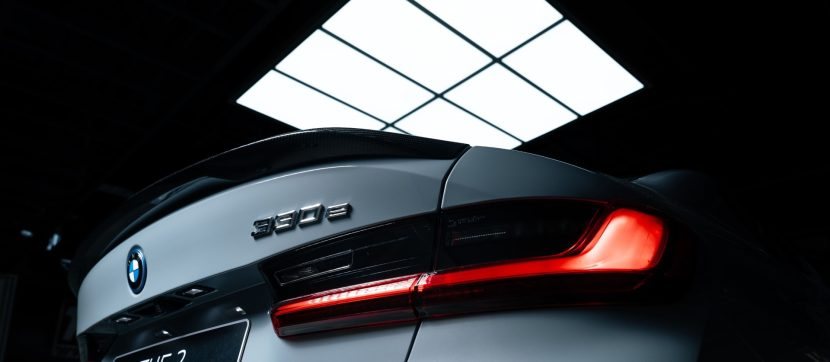
BMW Confirms Next 3 Series Will Retain Plug-In Hybrid Power
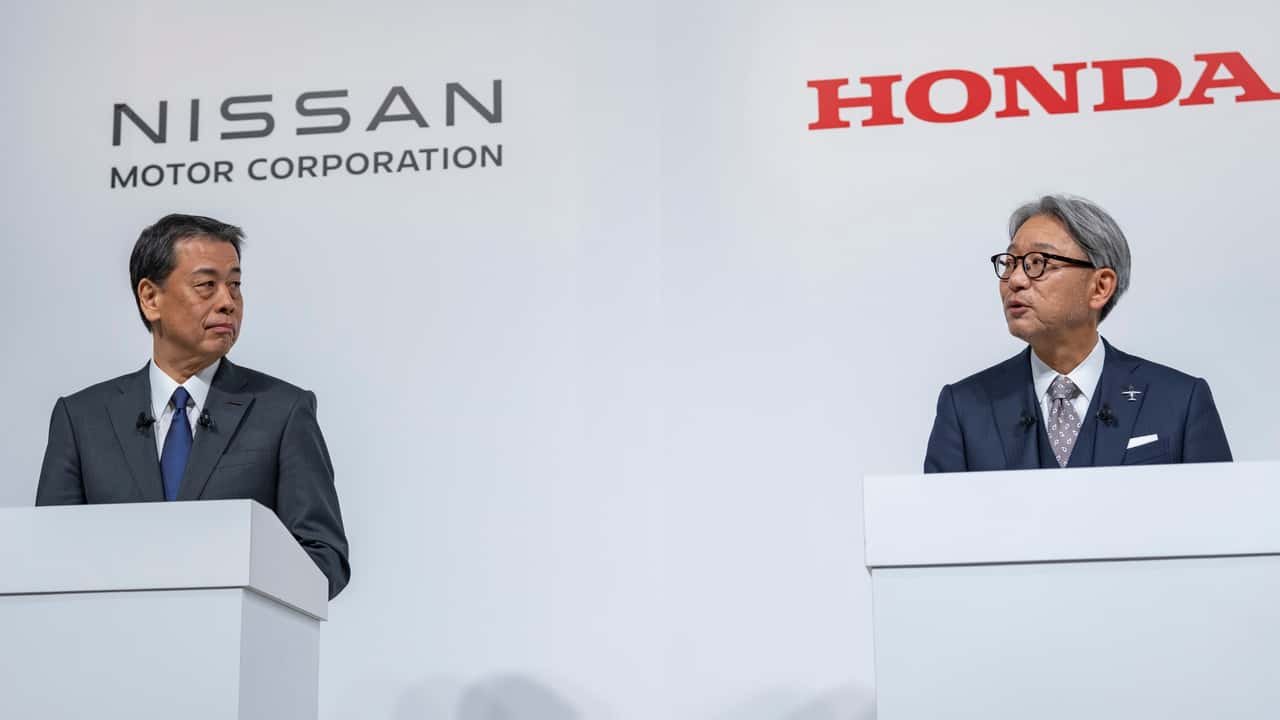
Honda and Nissan have agreed to share vehicle software and electronics for 2029 models, covering hybrids, EVs, and petrol cars, following the collapse of their merger talks earlier this year.
By Eleanor Ellington · 5 min read
Honda and Nissan have signed a partnership to develop common software and electronics for their next generation of vehicles, a move that keeps the two Japanese automakers aligned even after their proposed merger collapsed earlier this year. The agreement covers models due in 2029 and beyond, spanning hybrids, electric vehicles, and traditional petrol-powered cars.
The collaboration is centred on software-defined vehicles, a growing priority for the industry as manufacturers shift from purely mechanical engineering to digital architecture. By pooling resources on the underlying computing systems, the companies aim to reduce development costs and speed up the rollout of connected and over-the-air-updatable cars. The partnership will also extend to shared hardware, including the electronic control units that manage everything from powertrains to driver assistance features.
The deal marks a pragmatic reset for the two firms, whose attempt to merge under a joint holding company was abandoned in early 2025. That plan, which would have created one of the world’s largest carmakers, fell apart over disagreements on ownership structure and strategic direction. Despite the breakdown, both companies have continued to face the same pressures: rising research and development costs, intensifying competition from Chinese electric vehicle makers, and the need to deliver sophisticated software experiences without inflating prices.
By cooperating on the “brains” of future cars rather than on full corporate integration, Honda and Nissan can achieve economies of scale in a critical area while preserving their independence. The arrangement is narrower than a merger but still significant, given the scale of investment required to develop a competitive software platform. Industry analysts have noted that no single manufacturer can easily absorb the cost of building proprietary systems from scratch, making partnerships increasingly common across the sector.
The 2029 timeline gives both companies time to integrate the shared architecture into their respective model line-ups. For Nissan, the partnership offers a route to modernise its vehicle electronics after years of financial turbulence and product line-up gaps. For Honda, it provides additional volume to justify its own software investments, while allowing the company to focus on its core strengths in powertrain efficiency and manufacturing.
Neither company has disclosed the financial terms of the agreement, nor whether the shared platform will be branded under a joint name. What is clear is that the relationship between Honda and Nissan has shifted from a potential marriage to a more practical alliance, one that acknowledges the realities of the modern automotive market. The deal also signals that the two firms remain open to cooperation in other areas, even if a full merger is no longer on the table.
For consumers, the practical effect will be visible in the next decade, when new Honda and Nissan models are expected to share underlying digital infrastructure while retaining distinct styling, driving characteristics, and brand identities. The companies have stressed that the partnership is about technology sharing, not product convergence, meaning buyers should still see clear differences between the two marques.
The announcement comes as the global auto industry accelerates its transition to software-centric vehicles, where features are increasingly defined by code rather than hardware. Traditional automakers are racing to catch up with newer entrants that have built their vehicles around digital platforms from the outset. Honda and Nissan’s decision to cooperate on this front is a recognition that the cost of going it alone is no longer sustainable, even for established players with decades of engineering expertise.