Business 201
Geely Confirms Canadian Launch for 2027
In this issue
Business 201
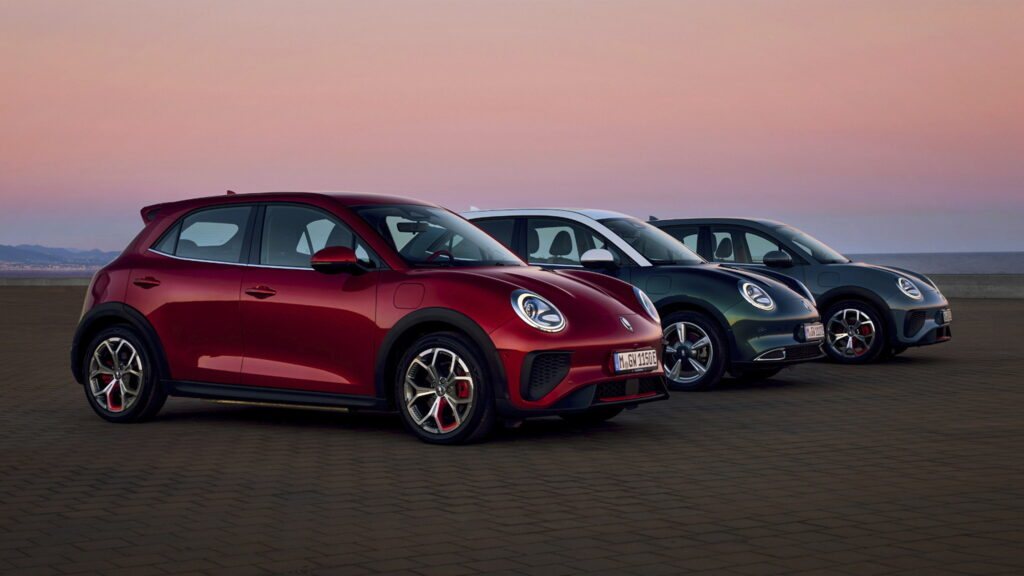
Geely Confirms Canadian Launch for 2027
Culture 231
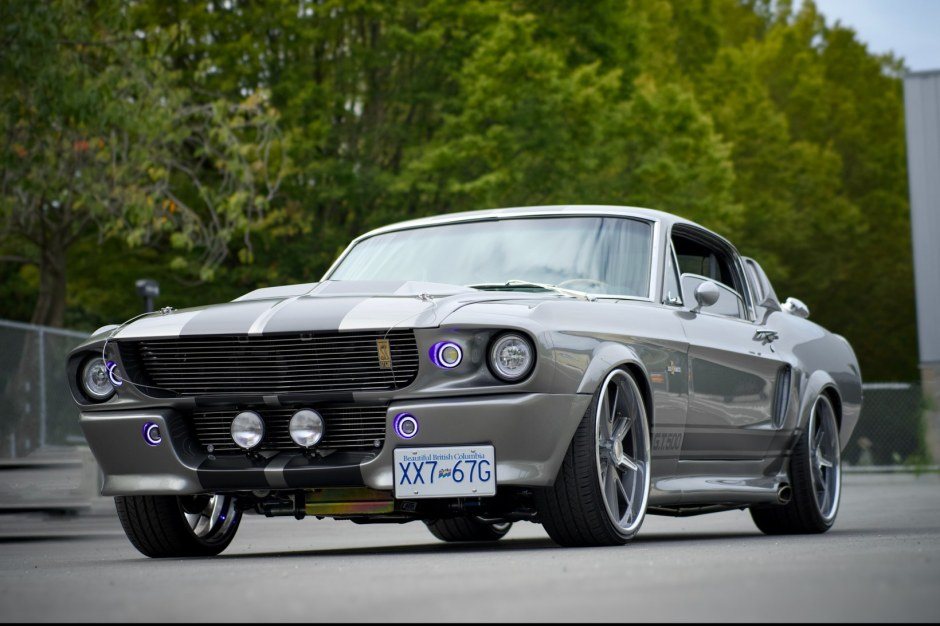
GT500E-Style 1967 Ford Mustang Fastback with 437 Stroker V8 Heads to Auction
Economy 37
Russia's EV Share Overtakes US as Fuel Shortages Bite
News 149
Weekly Exercise Linked to Slower Memory and Movement Decline in Parkinson's Patie…
Politics 111
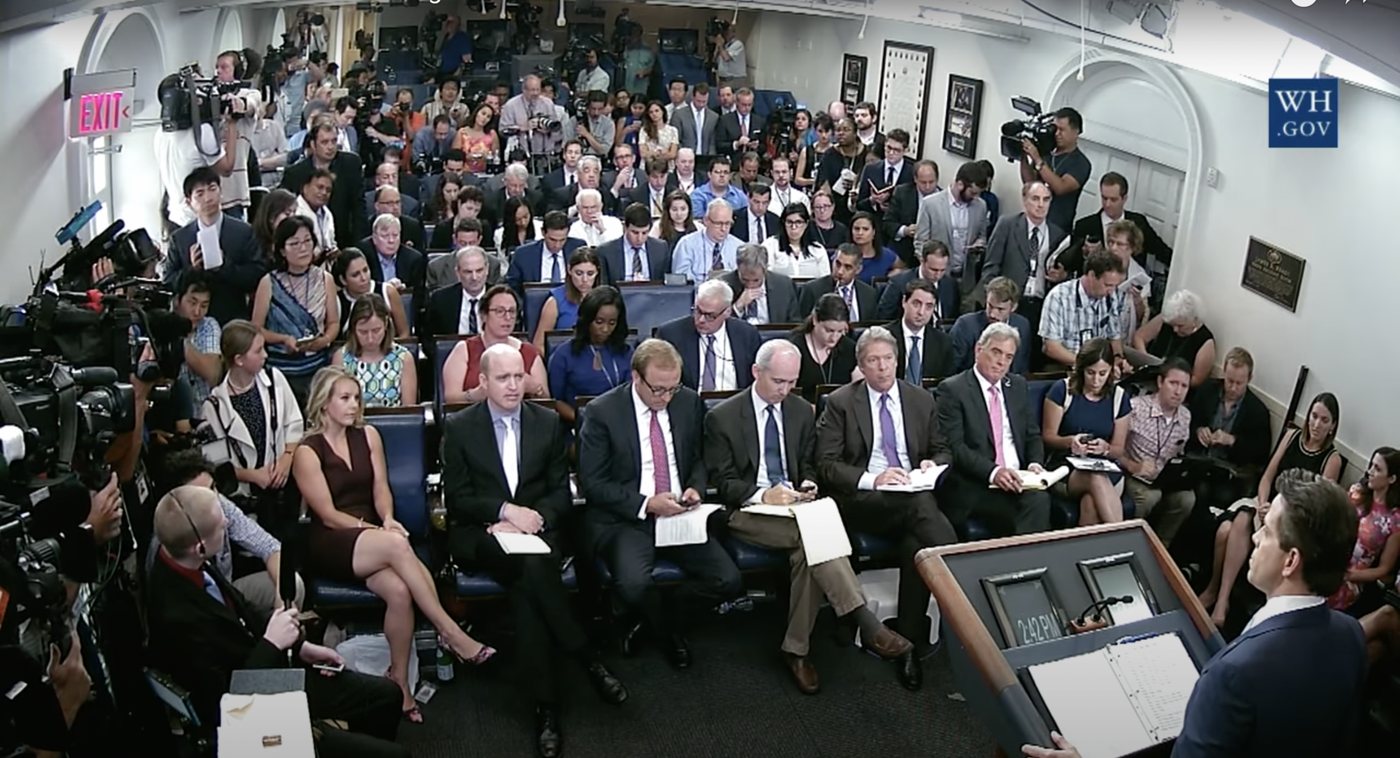
Trump Names Katie Zacharia as White House Press Secretary
Sports 265
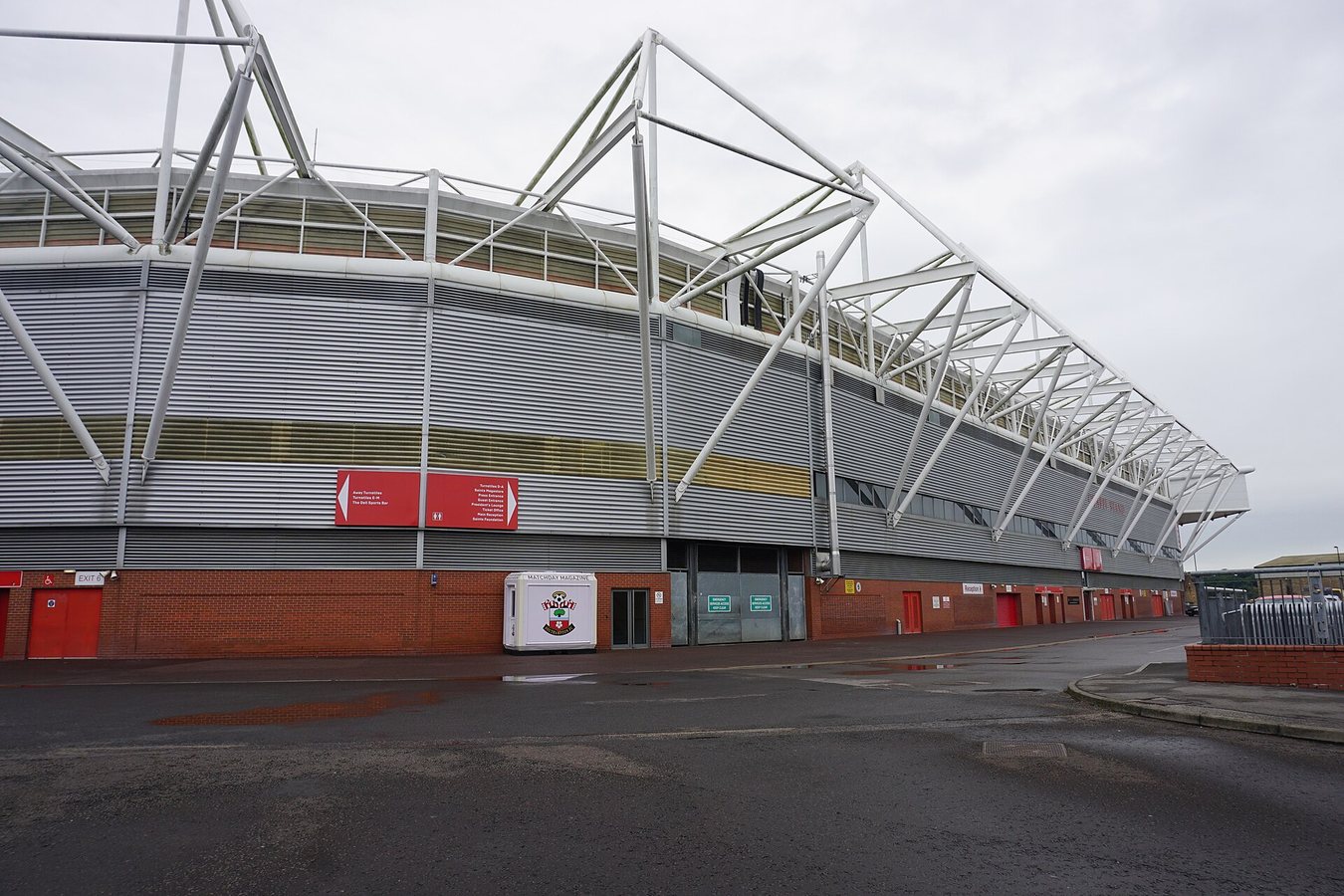
Southampton to Host Portsmouth in Scheduled Fixture on 11 October 2026
Technology 263
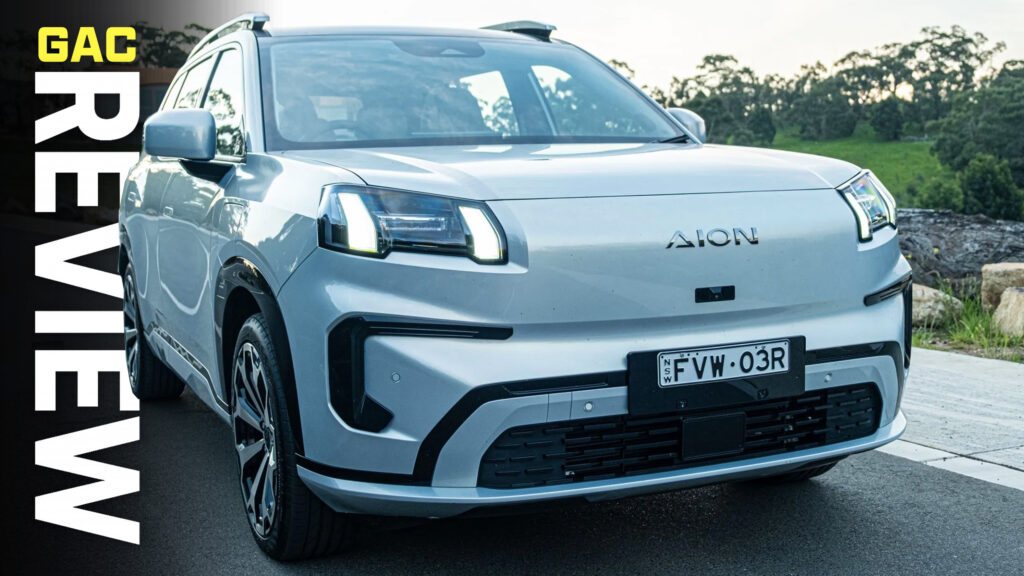
GAC Aion V Review: Odd Looks, Premium Cabin, £24,000 Price
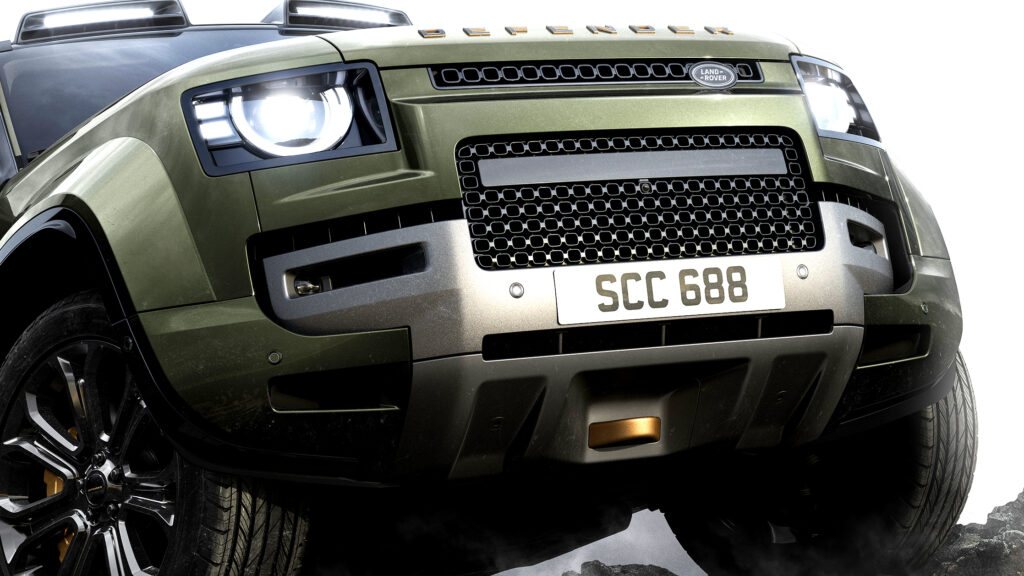
Jaguar Land Rover has pushed back the next-generation electric Defender by two years, with the new model now expected in the 2030s. The delay is attributed to the current model's strong sales and cost pressures, while the baby Defender will still arrive with hybrid support.
By Edward Beaumont · 3 min read
Jaguar Land Rover has delayed the next-generation electric Defender by roughly two years, with the new model now expected to arrive in the 2030s. The decision comes as the company faces cost pressures and as the current Defender, launched in 2019, continues to sell strongly.
The Times reports that company staff have been told the two-year pause is due to the existing model's success. Land Rover is selling about 110,000 Defenders each year, which accounts for roughly a third of JLR's total volumes. The automaker evidently sees little urgency to replace a vehicle that remains popular with buyers.
JLR boss PB Balaji is under pressure to cut costs, particularly with the Trump administration's tariffs in place. The current Defender is assembled in Slovakia and is subject to a 15 percent tariff when imported into the United States, adding to the financial strain on the company.
The delay will not affect the long-awaited baby Defender, a compact SUV that JLR continues to develop. However, plans for that vehicle have also shifted in recent months. Initially set to be sold exclusively as an electric vehicle, the baby Defender's EMA-based architecture is now being modified to support hybrid powertrains as well. The hybrid version will not be a plug-in hybrid, instead using a more traditional setup.
This change reflects broader shifts in consumer demand in some markets, where buyers are moving away from pure electric vehicles and towards hybrids. JLR has previously said that the current Defender's architecture cannot support an all-electric version, meaning a new platform is required for any electric model. With the delay, the next-generation Defender will need that new architecture before it can launch.
The existing Defender, while relatively fresh in design, is approaching the point where a replacement would normally be expected. JLR's decision to extend its lifecycle suggests the company is prioritising short-term profitability over a faster transition to electric power. The two-year delay gives the automaker more time to develop the new platform and to assess how the market for electric off-roaders evolves.
No specific launch date for the new Defender has been confirmed. The company has not commented publicly on the reported delay, but the internal messaging points to a strategy of capitalising on the current model's popularity while managing costs in a difficult trading environment.
For buyers, the practical effect is that the electric Defender will not arrive for several more years. In the meantime, the current model continues to sell in large numbers, and the baby Defender will offer both electric and hybrid options when it eventually reaches showrooms. JLR's approach reflects a cautious stance on electrification, balancing regulatory pressure and consumer demand against the realities of production costs and tariffs.
59