
Business 109
Dacia CEO Urges EU to Freeze Small Car Rules to Cut Prices
In this issue
Business 109
Dacia CEO Urges EU to Freeze Small Car Rules to Cut Prices
Culture 89
1988 Porsche 911 Carrera Targa G50 with Rebuilt Engine Heads to Auction
Economy 30
HMRC is writing to low earners about pension top-ups averaging about £70
News 124
Aftermarket Trackers Recover 99% of Stolen Cars as Factory Systems Fail
Politics 104
Met police open inquiry into alleged foreign donations to Reform UK
Sports 231
AMG GT Black Series Spied With Radical Aero Ahead of Nürburgring Record Attempt
Technology 117
BMW Confirms Next 3 Series Will Retain Plug-In Hybrid Power
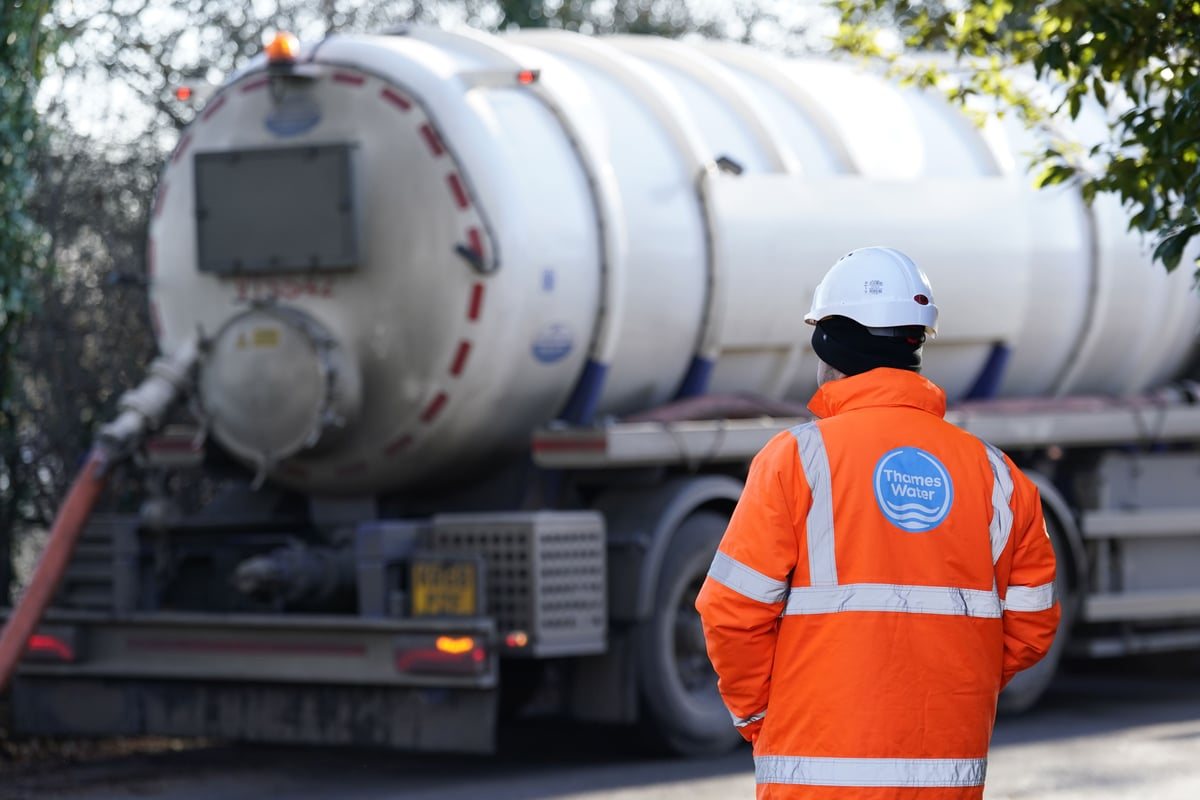
A consortium of Thames Water creditors holding £17bn of debt has signalled willingness to discuss increased public oversight with incoming Prime Minister Andy Burnham, while simultaneously preparing for a potential legal battle if the government moves to temporarily nationalise the company.
By Edward Beaumont · 6 min read
A consortium of major creditors in Thames Water has indicated a willingness to engage with incoming Prime Minister Andy Burnham over proposals for greater public control of the struggling utility, while simultaneously preparing for a potential multi-billion pound legal battle should the government move to temporarily nationalise the company.
London & Valley Water (L&VW), a group representing approximately 100 institutional investors that together hold £17bn of Thames Water's £21bn debt pile, has stated it is open to discussions with the Burnham administration about enhanced government involvement. However, the consortium has made clear that its openness does not extend to full public ownership of the company, which serves 15 million customers across London and the Thames Valley region.
The development comes amid mounting speculation that Burnham, who is expected to become prime minister following the recent general election, could place Thames Water into temporary public ownership as part of a broader response to the company's deepening crisis. The utility has been beset by chronic underinvestment, frequent sewage spills, supply disruptions, and rising customer complaints, leading to widespread public anger and political pressure for decisive action.
According to sources close to the consortium, L&VW has already begun preparing legal arguments and financial models to challenge any nationalisation move, arguing that such a step would undermine investor confidence in the UK's regulated utility sector and could trigger costly compensation claims. The group is understood to be examining potential claims under international investment treaties and UK domestic law, which could run into billions of pounds if the government proceeds with a compulsory acquisition of the company's assets.
The standoff between the creditors and the incoming administration represents a critical test for Burnham's economic policy agenda. During his election campaign, Burnham pledged to take a tougher stance on failing private utilities and to prioritise consumer protection and environmental standards over shareholder returns. His team has signalled that Thames Water is likely to be an early focus of his government's interventionist approach.
Thames Water has been at the centre of a long-running controversy over its performance and governance. The company has faced repeated criticism for discharging untreated sewage into rivers, failing to fix leaks promptly, and awarding substantial executive bonuses despite its financial difficulties. In recent weeks, the company announced an increase in its chief executive's pay to £1.2m and distributed £4m in bonuses, provoking fury from consumer groups and politicians alike.
The company's financial position has deteriorated sharply over the past two years, weighed down by its enormous debt burden, rising interest costs, and regulatory penalties. Thames Water's parent company, Kemble Water, defaulted on its debts in 2024, and the operating company has been kept afloat only by emergency loans and forbearance from its creditors. The company is currently seeking a new equity injection from investors, but talks have stalled amid uncertainty over the regulatory regime and the political outlook.
Industry analysts note that any nationalisation of Thames Water would be one of the largest such moves in UK history, comparable to the temporary public ownership of Railtrack in the early 2000s. The water sector was privatised in 1989, and since then no major water company has been taken back into public hands. A nationalisation would require primary legislation and could take months to implement, during which time the company's financial stability would remain precarious.
Consumer groups have welcomed the prospect of greater public control, arguing that Thames Water's private ownership model has failed to deliver adequate service or environmental protection. They point to the company's record of leaking pipes, sewage overflows, and rising bills as evidence that the current regulatory framework is not working. However, some business groups have warned that nationalisation could deter future investment in UK infrastructure and set a precedent that spooks other regulated industries.
The L&VW consortium has proposed an alternative rescue plan that would involve a debt-for-equity swap, giving creditors a majority stake in the restructured company while retaining private ownership. Under this plan, the government would take a minority stake or appoint board members to ensure public accountability, but the company would remain outside direct state control. The consortium argues that this approach would stabilise the company's finances without the disruption and legal risks of nationalisation.
Burnham's team has not yet publicly responded to the creditors' overture, but insiders suggest that the incoming prime minister is keeping all options open. A decision is expected within the first few weeks of the new government, as Thames Water's cash reserves continue to dwindle and the next regulatory price review approaches. The outcome of the talks will have significant implications not only for Thames Water's customers and employees but also for the broader debate about the role of private capital in essential public services.