
Business 109
Dacia CEO Urges EU to Freeze Small Car Rules to Cut Prices
In this issue
Business 109
Dacia CEO Urges EU to Freeze Small Car Rules to Cut Prices
Culture 89
1988 Porsche 911 Carrera Targa G50 with Rebuilt Engine Heads to Auction
Economy 30
HMRC is writing to low earners about pension top-ups averaging about £70
News 124
Aftermarket Trackers Recover 99% of Stolen Cars as Factory Systems Fail
Politics 104
Met police open inquiry into alleged foreign donations to Reform UK
Sports 231
AMG GT Black Series Spied With Radical Aero Ahead of Nürburgring Record Attempt
Technology 117
BMW Confirms Next 3 Series Will Retain Plug-In Hybrid Power
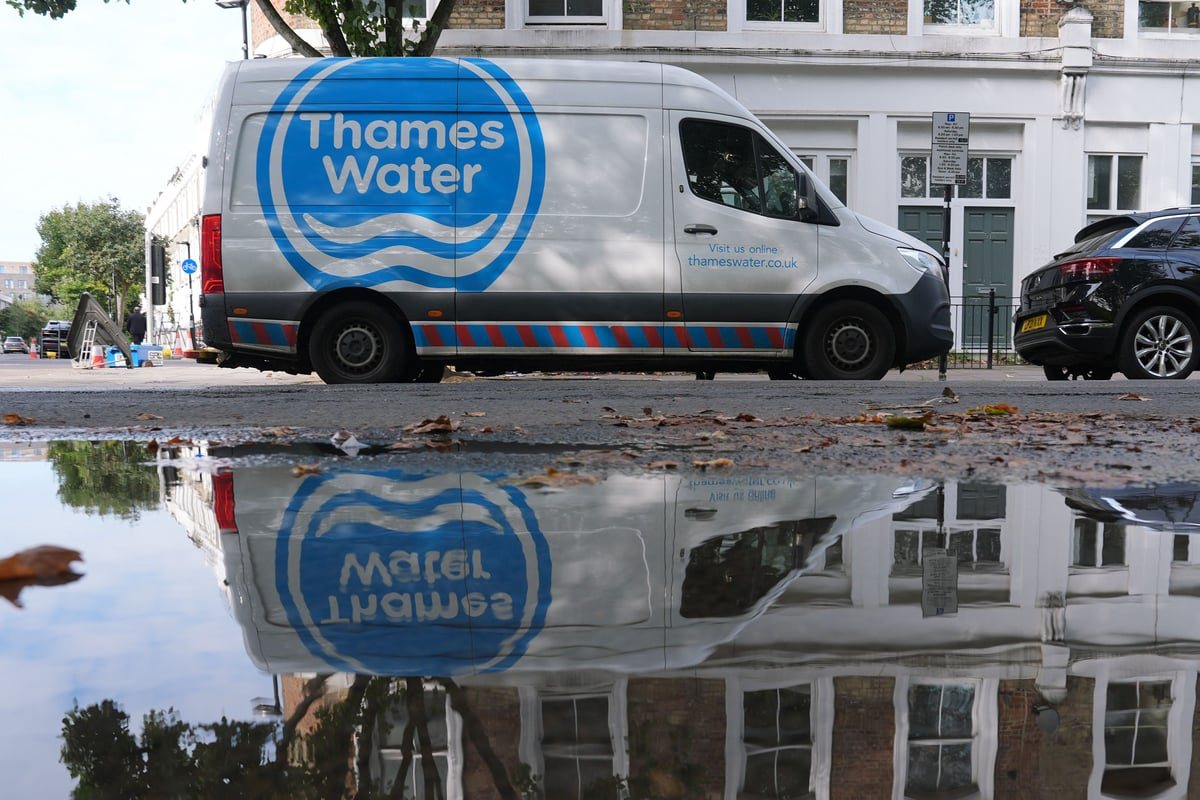
A consortium of investors holding £17bn of Thames Water debt has offered the government a golden share to avert nationalisation, following calls from Andy Burnham for greater public control.
By George Kensington · 5 min read
A consortium of investors pursuing a rescue bid for Thames Water has offered the government a golden share in a last-ditch attempt to convince the new prime minister and Andy Burnham not to nationalise Britain’s biggest water company. London & Valley Water (L&VW), a group of 100 institutional investors that hold £17bn of the company’s £21bn debt, said it recognised the government wanted greater public control and to strengthen the accountability of the water company. The golden share would give the government a veto over major decisions, including hostile takeovers, and is seen as a significant concession by the lenders.
The move comes after Burnham, who has been a vocal advocate for public ownership of Thames Water, called for greater public control over the struggling utility. The consortium said it had made material improvements to its previous £10bn proposal to address government concerns. L&VW stated that the revised offer includes stronger accountability measures and a commitment to improving the company’s financial stability and environmental performance. The investors are hoping the golden share will be enough to persuade the government to back their rescue plan rather than pursue nationalisation.
Thames Water has been under intense scrutiny for years due to its mounting debt, poor environmental record, and repeated sewage spills into rivers. The company serves about 15 million customers across London and the Thames Valley, making it the largest water and wastewater services provider in the UK. Its financial troubles have escalated, with the company struggling under a debt pile that has raised questions about its long-term viability. The government has been exploring options to ensure the company’s future, including potential nationalisation, which Burnham has strongly supported.
The golden share proposal is a rare move in the UK water industry, where private ownership has been the norm since privatisation in 1989. If accepted, it would give the government a powerful tool to block decisions that could harm the public interest, such as excessive dividend payments or asset stripping. The investors are betting that this concession will be enough to secure the government’s backing, avoiding a costly and complex nationalisation process. However, critics argue that the golden share does not go far enough and that full public ownership is the only way to ensure accountability and investment in infrastructure.
The debate over Thames Water’s future has become a major political issue, with Burnham and other politicians calling for a fundamental overhaul of the water industry. The new prime minister has signalled a willingness to consider greater public control, but has not yet committed to nationalisation. The investors’ offer is seen as a test of the government’s resolve, with the outcome likely to set a precedent for other struggling utilities. L&VW has emphasised that its proposal is the best way to protect customers, employees, and the environment while avoiding the disruption of nationalisation.
Industry analysts have noted that the golden share could provide a middle ground, allowing the government to exert influence without taking on the full financial burden of ownership. However, the success of the proposal will depend on whether the government believes it can deliver the necessary improvements in service and environmental performance. Thames Water has faced heavy fines and public anger over sewage discharges, and any rescue plan must address these issues. The investors have pledged to invest in upgrading infrastructure and reducing pollution, but details of these commitments remain unclear.
The situation is being closely watched by other water companies and investors, as it could signal a shift in the regulatory landscape. If the golden share is accepted, it may become a model for other utilities facing similar pressures. Conversely, if the government rejects the offer and pursues nationalisation, it could deter private investment in UK infrastructure. The decision is expected in the coming weeks, with both sides under pressure to reach a resolution. For now, the investors are hoping that their concession will be enough to keep Thames Water in private hands, albeit with much tighter public oversight.