
Business 109
Dacia CEO Urges EU to Freeze Small Car Rules to Cut Prices
In this issue
Business 109
Dacia CEO Urges EU to Freeze Small Car Rules to Cut Prices
Culture 89
1988 Porsche 911 Carrera Targa G50 with Rebuilt Engine Heads to Auction
Economy 30
HMRC is writing to low earners about pension top-ups averaging about £70
News 124
Aftermarket Trackers Recover 99% of Stolen Cars as Factory Systems Fail
Politics 104
Met police open inquiry into alleged foreign donations to Reform UK
Sports 231
AMG GT Black Series Spied With Radical Aero Ahead of Nürburgring Record Attempt
Technology 116
Waymo Expands Driverless Ride-Hailing to Las Vegas
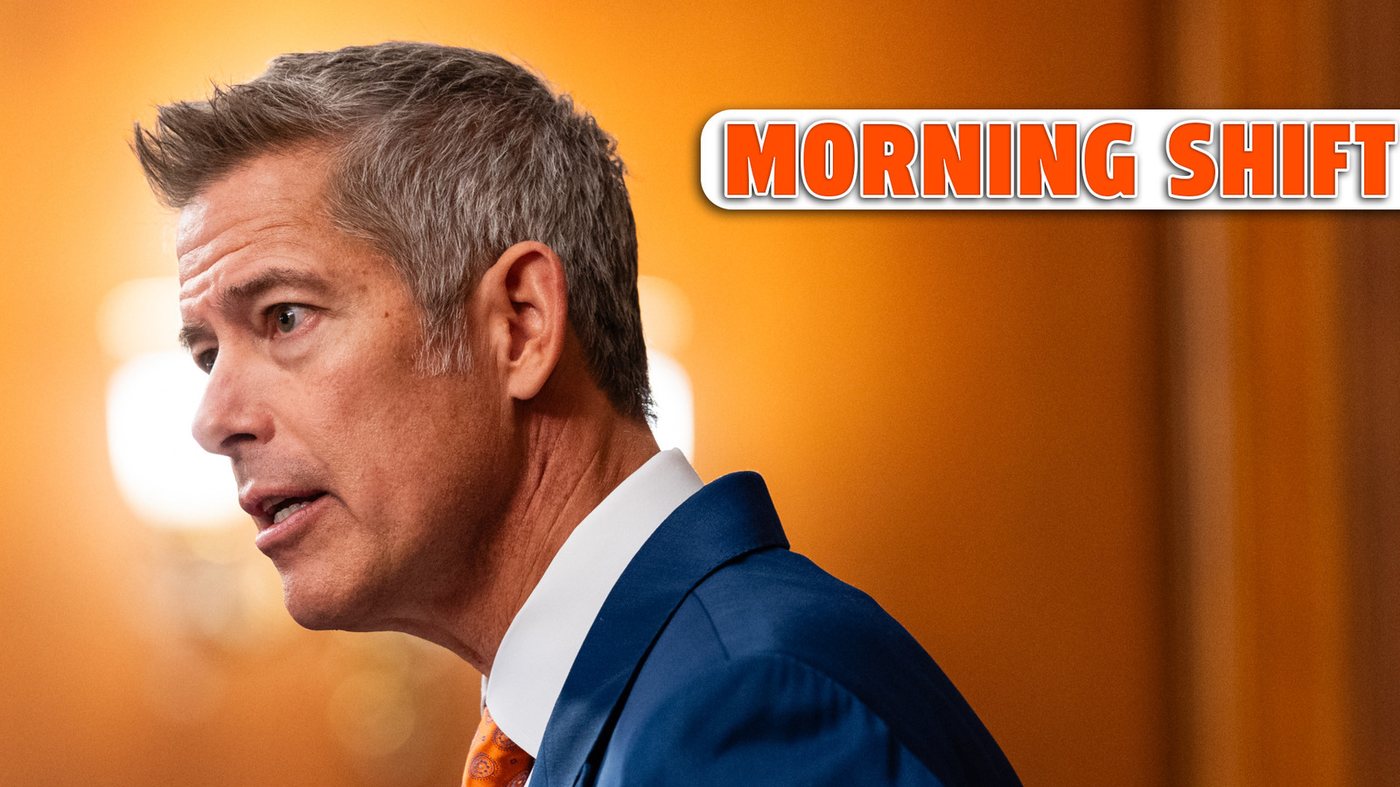
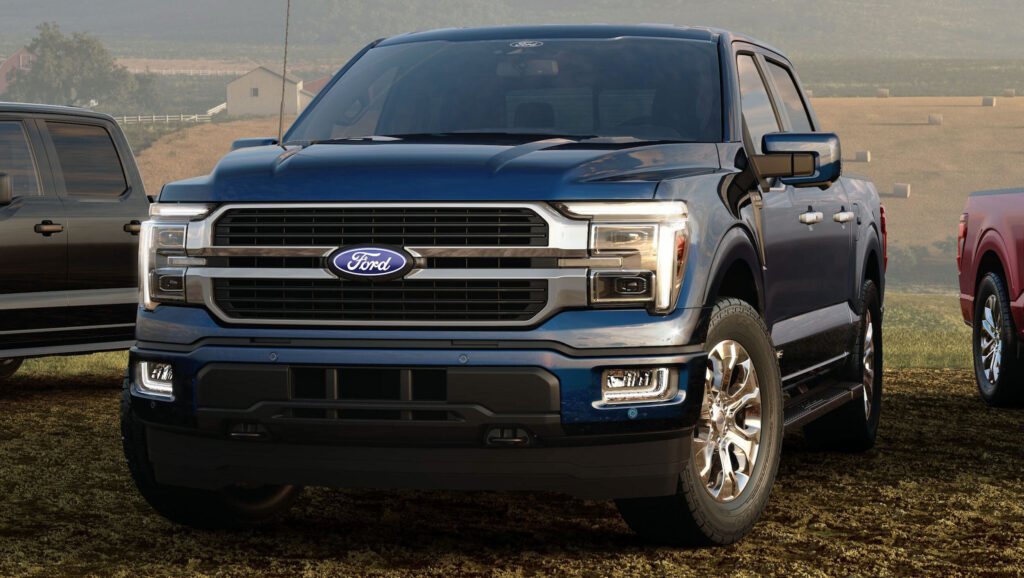
The Trump administration has cautioned Ford Motor Company against pursuing business agreements with Chinese firms, adding fresh pressure on the American automaker's international strategy.
By George Kensington · 4 min read
The Trump administration has issued a direct warning to Ford Motor Company, urging the American automaker to avoid striking business deals with Chinese companies. The caution adds a new layer of political pressure on Ford as it navigates its global manufacturing and supply-chain strategy.
The warning was delivered amid a broader push by Washington to limit Western corporate engagement with Chinese firms, particularly in industries tied to advanced technology and strategic supply chains. Ford, which operates extensive manufacturing operations in both the United States and China, has not publicly detailed any specific pending agreement that prompted the administration's intervention.
The move reflects the administration's escalating scrutiny of corporate relationships with Chinese entities across multiple sectors. For Ford, the pressure arrives at a delicate moment. The company has been working to restructure its international operations, including its presence in China, where it has faced stiff competition from domestic electric-vehicle makers such as BYD and Nio.
Ford's leadership has previously signalled an interest in leveraging Chinese manufacturing expertise and supply chains, particularly for battery technology and electric-vehicle components. However, any such collaboration now carries heightened political risk, as Washington continues to tighten restrictions on technology transfers and investment flows between the United States and China.
The warning to Ford is part of a wider pattern of the administration confronting individual companies over their China exposure. Similar pressures have been applied to semiconductor firms, technology giants, and infrastructure contractors in recent months. The administration has argued that such engagements risk undermining American economic security and competitive advantage.
Ford has not issued a formal response to the warning. The company's shares have shown little movement in early trading, suggesting investors are still assessing the potential implications for its China strategy. Analysts note that Ford's Chinese operations have been a source of both opportunity and difficulty, with the company reporting uneven results in the world's largest auto market.
The situation also highlights the broader tension facing multinational manufacturers caught between the world's two largest economies. Companies with significant operations in both countries must now weigh commercial opportunities against an increasingly volatile geopolitical environment. For Ford, the path forward will require careful navigation of Washington's policy stance while maintaining its competitive position in China.
The administration's warning comes as trade negotiations between the two countries remain stalled on several fronts. Tariffs on Chinese goods, including automotive components, continue to shape cost calculations for American manufacturers. Any shift in Ford's approach to Chinese partnerships could have ripple effects across its supply chain and production planning.
Industry observers will be watching closely for signs of how Ford responds, both publicly and through its corporate actions. The company's next earnings call and any regulatory filings may offer further clarity on whether the warning has altered its strategic direction.