Business 115
Volvo to launch 13 new cars by 2030 in largest product push
In this issue
Business 115
Volvo to launch 13 new cars by 2030 in largest product push
Culture 102
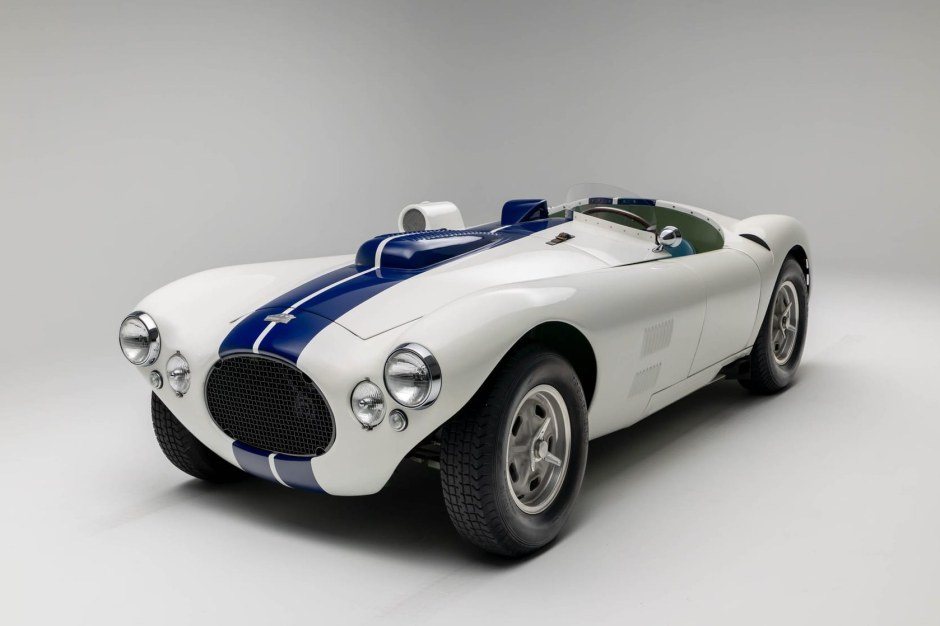
Cunningham C-4R Continuation Heads to Auction in Illinois
Economy 30
HMRC is writing to low earners about pension top-ups averaging about £70
News 126
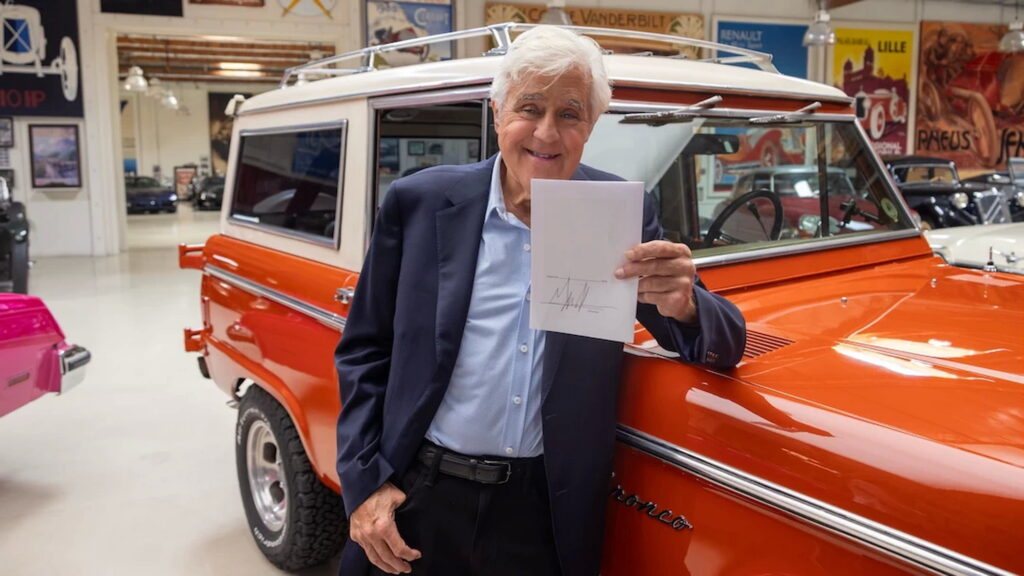
Newsom Signs Jay Leno's Law Easing Smog Checks for Classic Cars
Politics 105
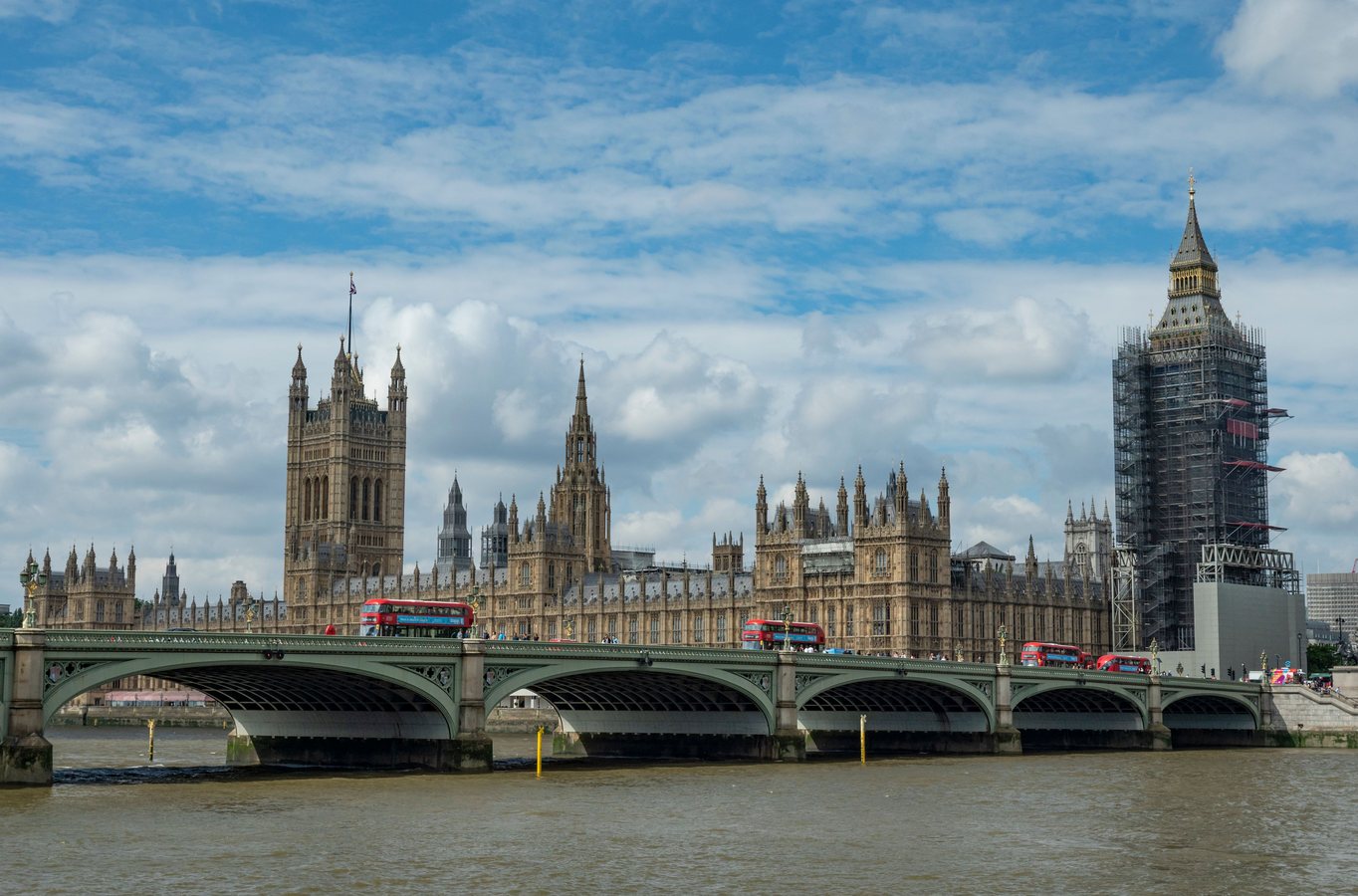
Reform UK's Welsh Leader Dan Thomas Resigns After Arrest on Suspicion of Assault
Sports 235
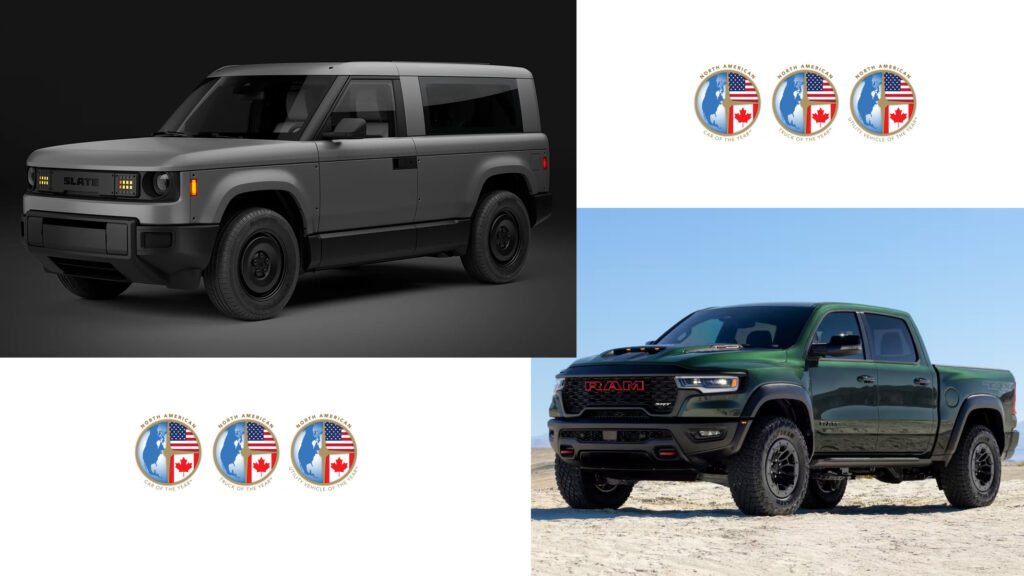
Preproduction Slate Truck Faces $103K Ram TRX in NACTOY Best of 2027 Contenders
Technology 132
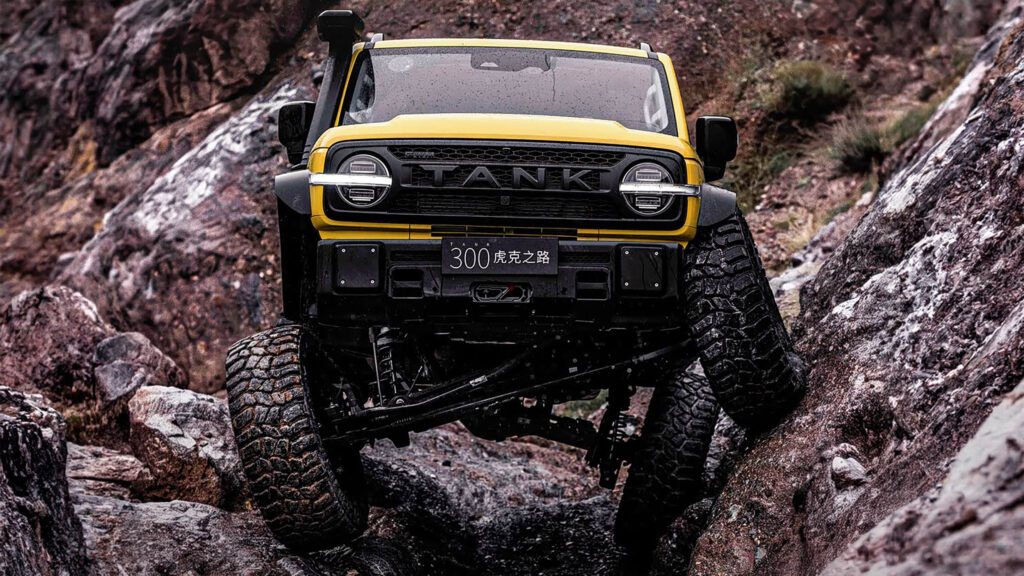
GWM Unveils Tank 300 Hooke Trail with Live Axle for Extreme Off-Roading
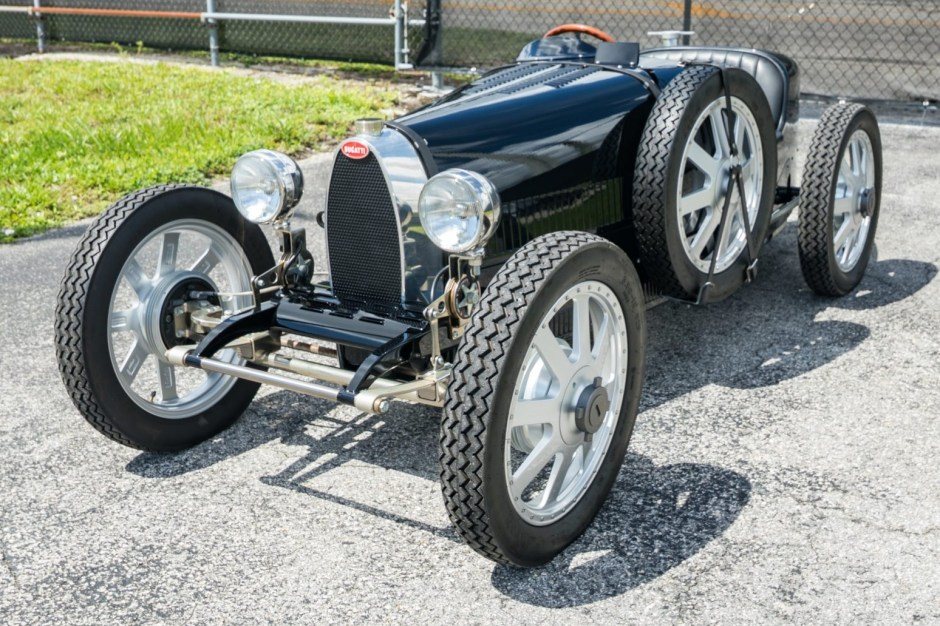
A 2024 Bugatti Baby II Vitesse, a hand-built three-quarter-scale electric reinterpretation of the Type 35 Grand Prix car, is offered at no reserve in Florida, with 317 kilometres on its odometer.
By Edward Beaumont · 5 min read
A hand-built, three-quarter-scale electric reinterpretation of the Bugatti Type 35 Grand Prix car is being offered for sale at no reserve in Hialeah, Florida. The 2024 Bugatti Baby II Vitesse, number 238 of a planned run of 500, was produced by The Little Car Company in Bicester, England, under licence from Bugatti, and is sold on a bill of sale with factory literature and a charger.
The Baby II was developed by The Little Car Company and Bugatti in 2019, following the success of the 500 Bugatti Baby models built to mark the marque’s 110th anniversary. The Vitesse variant is distinguished by carbon-fibre bodywork, which makes for a stiffer and lighter body than the aluminium used on Pur Sang models. This example is finished in Nocturne Black over a tubular steel chassis.
Power comes from a 10-kW electric motor mated to a direct-drive transmission and a limited-slip differential. The car offers Novice, Expert and Speed Key driving modes, the last inspired by the speed keys used in other Bugatti models. When unrestricted, the top speed is reported to be over 40 mph. A regenerative braking system provides stopping power at all four corners.
Design details include hood and tail louvers, headlights, a horseshoe grille with a silver enamel Bugatti «Macaron» badge, black leather hood tie-downs and a faux filler cap. The car rides on 16-inch eight-spoke alloy wheels with 3.50–16 Avon bias-ply tyres, and a matching spare wheel and tyre are mounted on the left side of the body. The tubular steel chassis features a hollow front axle and Andre Hartford friction disc shock absorbers.
The cockpit is trimmed in pleated black leather upholstery and equipped with an adjustable pedal box. An Italian-made Nardi steering wheel sits at the right side of the cabin, while the engine-turned aluminium dash panel houses an 80-km/h reverse-sweep speedometer, a battery level indicator, a power gauge and a clock. Controls for the horn, lights and gear selector are also present. A digital odometer beneath the hood displays 317 kilometres, or about 197 miles.
A Bugatti-branded plaque bolted to the dash identifies the car as number 238 of 500. The manufacturer’s plaque and serial number are riveted to the frame. A presentation box, holdall and charger are included in the sale.
The Baby II occupies an unusual position in the collector market. It is not a full-size car, nor is it a conventional toy. The Little Car Company builds each example by hand, and the Vitesse’s carbon-fibre bodywork and limited production run give it the trappings of a serious collector’s item. The Type 35 it references is among the most successful racing cars in history, and the Baby II translates that heritage into a machine small enough for private grounds yet engineered with the same attention to detail as its full-scale inspiration.
For buyers, the appeal lies in that combination of provenance and usability. The electric drivetrain requires less maintenance than a combustion-engined classic, and the three driving modes allow the car to be used by drivers of different experience levels. The Speed Key mode, in particular, echoes Bugatti’s modern hypercars, where a separate key unlocks the car’s full performance.
The sale is being handled by a dealer in Hialeah, Florida, and the car is offered at no reserve, meaning it will sell to the highest bidder regardless of price. That structure tends to attract interest from collectors who follow limited-run modern classics, particularly those with a direct link to a major marque. With 317 kilometres on the odometer, the car appears to have seen only light use, and the inclusion of its presentation box, holdall and charger suggests it has been kept as a complete set.
The Baby II was conceived as a tribute rather than a replica, and its production run of 500 units mirrors the original Bugatti Baby’s 500 examples. That symmetry is likely to matter to buyers who value the story behind the object as much as the object itself. The Vitesse’s carbon-fibre construction places it at the top of the Baby II range, and its Nocturne Black finish and black leather interior give it a restrained, purposeful appearance.
Details such as the engine-turned dashboard, the Nardi steering wheel and the reverse-sweep speedometer show the level of finish applied to a car of this scale. The spare wheel mounted on the side of the body is a further nod to the racing cars of the 1920s, when such arrangements were standard practice. For a collector, the result is a machine that can be displayed, driven or kept as part of a broader Bugatti collection.