Business 110
Dacia CEO Urges EU to Freeze Small Car Rules to Cut Prices
In this issue
Business 110
Dacia CEO Urges EU to Freeze Small Car Rules to Cut Prices
Culture 88
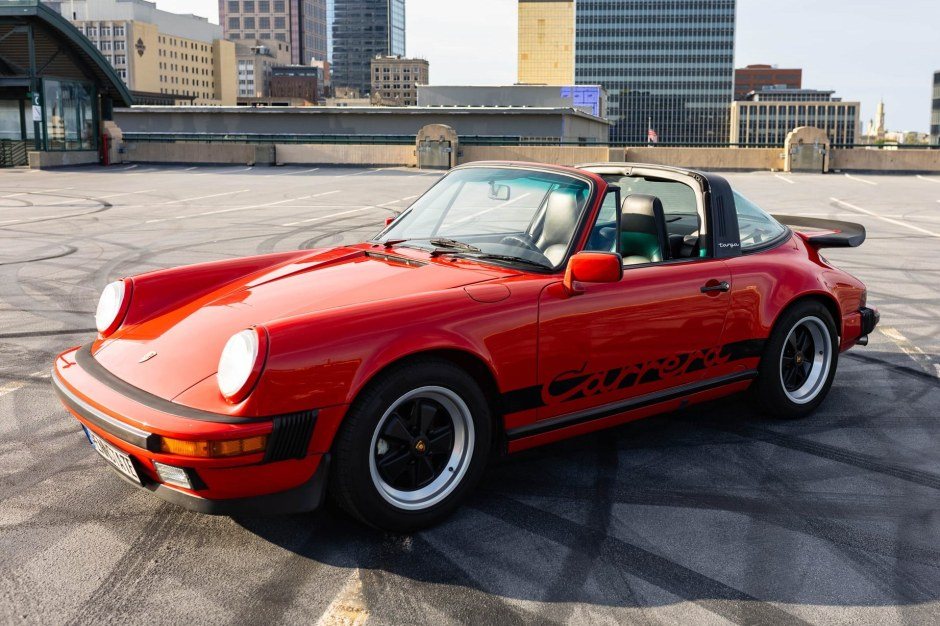
1988 Porsche 911 Carrera Targa G50 with Rebuilt Engine Heads to Auction
Economy 30
HMRC is writing to low earners about pension top-ups averaging about £70
News 124
Aftermarket Trackers Recover 99% of Stolen Cars as Factory Systems Fail
Politics 104
Met police open inquiry into alleged foreign donations to Reform UK
Sports 231
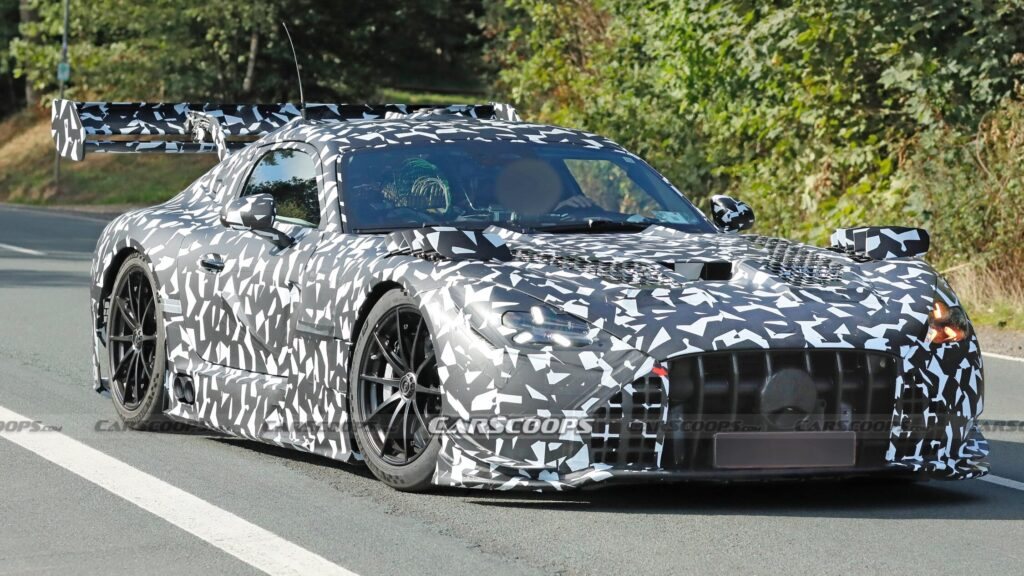
AMG GT Black Series Spied With Radical Aero Ahead of Nürburgring Record Attempt
Technology 117
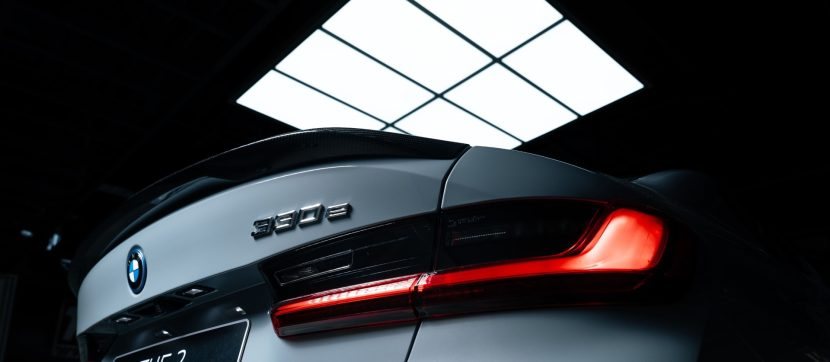
BMW Confirms Next 3 Series Will Retain Plug-In Hybrid Power
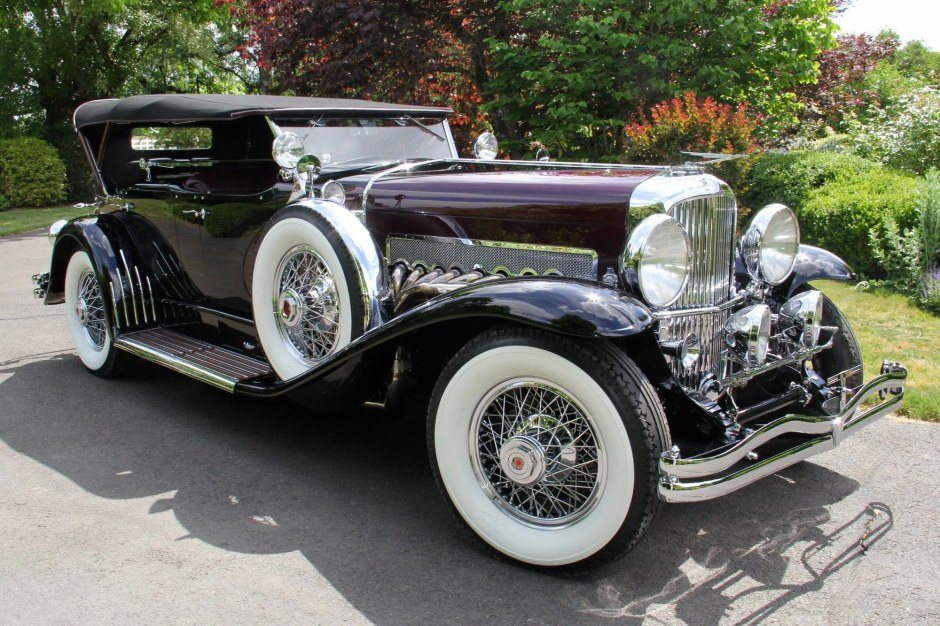
A 1929 Duesenberg Model J with a supercharged engine and LeBaron coachwork, once raced in Argentina and displayed at Pebble Beach, is offered for sale following a restoration completed in 2026.
By Eleanor Ellington · 4 min read
A 1929 Duesenberg Model J with a colourful competition history and a recently completed eight-year restoration is being offered for sale on dealer consignment. The car, chassis 2158, began life as a short-wheelbase example with sweep-panel dual-cowl phaeton bodywork by LeBaron and is now fitted with a supercharged engine, making it one of the most desirable variants of the legendary American marque.
The Model J platform, of which approximately 481 chassis were built between 1928 and 1937, was conceived after E.L. Cord acquired the Duesenberg Motor Corporation in 1926 and gave Fred Duesenberg the ambition to build the fastest and most powerful production car of its era. The model debuted at the December 1928 New York Car Show and entered production with a claimed top speed of 116 mph and a starting price of $8,500 for a rolling chassis. The supercharged SJ variant arrived in 1932, raising output to 320 horsepower and top speed to around 130 mph.
Chassis 2158 is said to have been among several Model J show cars exhibited at the October 1929 Paris Salon de l’Automobile before being returned to the United States. It was purchased in New York by Martín Máximo Pablo de Álzaga Unzué, a millionaire Argentinian racing driver, who is reported to have campaigned the car in various events. An engine failure circa 1934 prompted its return to the factory in Auburn, Indiana, for warranty repairs, during which it is believed to have received a replacement engine equipped with a centrifugal supercharger and twin Stromberg UU-3 carburetors with a “ram’s horn” intake setup.
Once back in Argentina, the car’s chassis was shortened and its rear bodywork modified in the style of a two-seat baquet racer. It contested two races in 1936 and a third in 1937 before changing hands twice. The car remained with the same owner in Argentina until his passing in 1961, after which it was moved back to the US and sold to collector Ted Billings. Billings commissioned a refurbishment that included returning the chassis to its original length using a frame section from a donor Model J and fabricating replacement rear bodywork in the style of the original LeBaron design.
In the mid-1970s, the Duesenberg was sold to casino magnate Bill Harrah and spent more than three decades in the Imperial Palace Auto Collection in Las Vegas. During that period it was periodically loaned to the Auburn-Cord-Duesenberg Museum and appeared at the 2013 Pebble Beach Concours d’Elegance. The current owner purchased the car in 2014 and commissioned a comprehensive restoration that began in 2018 and was completed in 2026.
The restoration included a repaint in black and maroon, a re-trim of the interior in maroon leather sourced from Canada and matched to a remnant of upholstery found under one of the seats, and refreshes of the 420ci Lycoming inline-eight, carburetors, and other mechanical systems. The six wire wheels were re-spoked, trued, and re-chromed, and new 7.50-19 Firestone wide-whitewall tires were fitted. The braking system, comprising four-wheel hydraulic drums with adjustable vacuum assistance, was also overhauled.
Features include a three-speed manual transmission, 19-inch chrome wire wheels with dual side-mount spares, a black convertible top with maroon piping, a central-cowl tonneau panel with a fold-down windshield, and a rear luggage rack carrying a contoured trunk. The car is offered with owner’s manuals and a clean Oregon title.