
Business 110
Dacia CEO Urges EU to Freeze Small Car Rules to Cut Prices
In this issue
Business 110
Dacia CEO Urges EU to Freeze Small Car Rules to Cut Prices
Culture 89
1988 Porsche 911 Carrera Targa G50 with Rebuilt Engine Heads to Auction
Economy 29
HMRC is writing to low earners about pension top-ups averaging about £70
News 124
Aftermarket Trackers Recover 99% of Stolen Cars as Factory Systems Fail
Politics 104
Met police open inquiry into alleged foreign donations to Reform UK
Sports 231
AMG GT Black Series Spied With Radical Aero Ahead of Nürburgring Record Attempt
Technology 116
Waymo Expands Driverless Ride-Hailing to Las Vegas

The prime minister has proposed handing English mayors more control over transport, skills, industry and tax revenue as part of a plan to move money and power out of Westminster.
By Charlotte Redford · 4 min read
Andy Burnham has set out a far-reaching plan to unbundle England’s centralised system of government, proposing that elected mayors become the driving force behind transport, skills, industry and investment. The prime minister’s devolution programme is designed to answer a long-standing criticism that England is among the most centralised countries in the rich world, leaving its regions without the powers, finance or institutions to shape their own economic futures.
The plan has three facets. It begins with the detailed and concrete proposals contained in a Cabinet paper that Mr Burnham released on Friday. That paper is a blueprint for a decentralised state organised around mayors as the key regional economic actors, while jointly governed pan-regional agencies could emerge across mayoral boundaries for transport, energy, investment and industrial systems. Regions of England without an elected mayor would be given the chance to have one, or to limit themselves to a weaker package of powers.
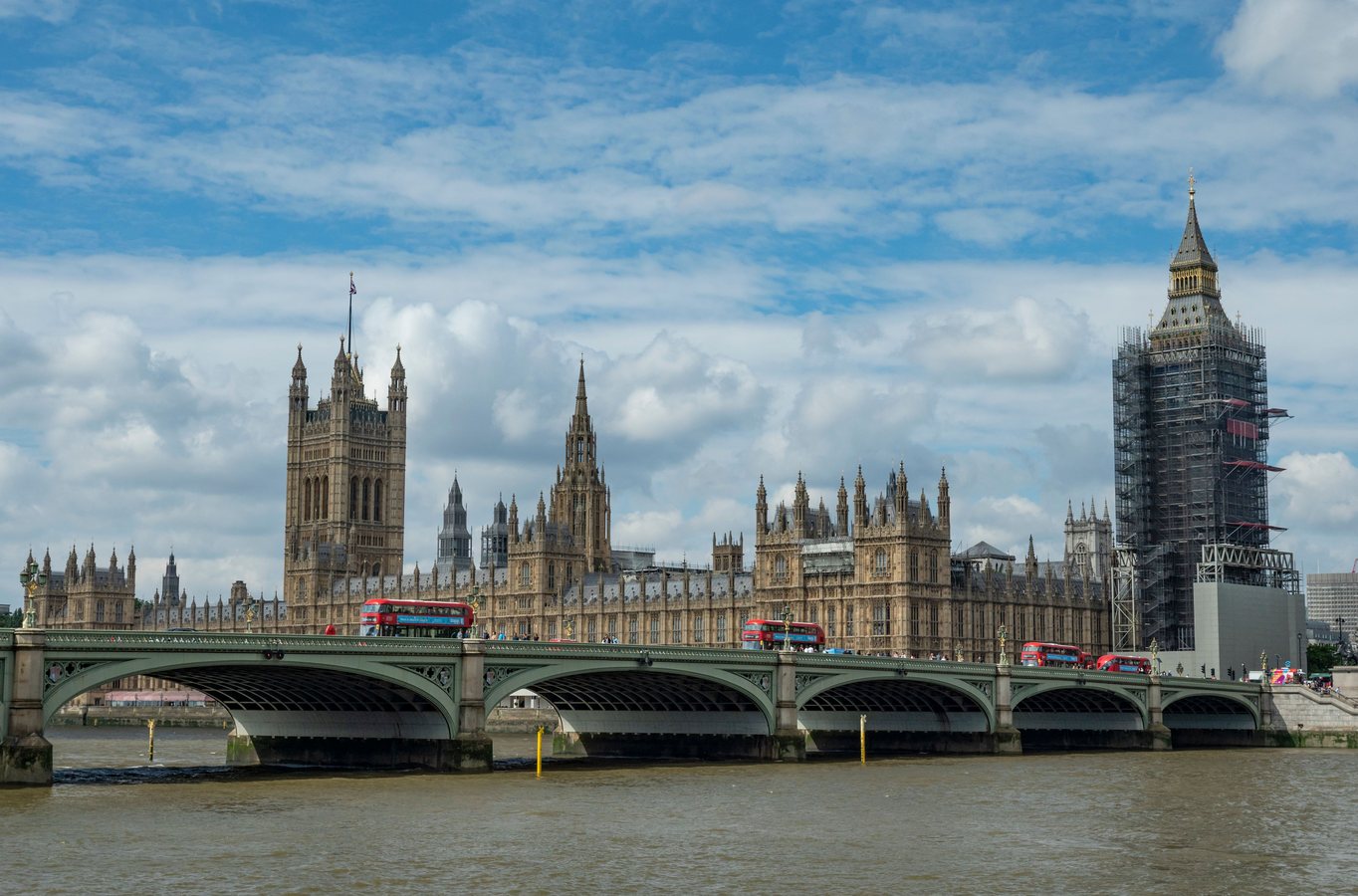
The proposals are part of a broader push by the new government to move money and power out of Westminster. The chancellor, John Healey, has set the date for the first Budget of Mr Burnham’s government and said it would be a Budget that moves money and power out of Westminster and into every postcode around Britain. Under the devolution shake-up, English regional leaders, including Sir Sadiq Khan in London, would keep a portion of income tax and business rates to spend locally.
The case for such a change rests on a reading of the past four decades of economic history. Centralisation did not by itself close every factory or pit in the 1980s, but it left deindustrialising areas such as Yorkshire and the Midlands without the powers, finance or institutions to cushion the shock or build a resilient replacement economy. Only in post-communist Europe did deindustrialisation happen as rapidly as it did in those parts of England.
There is a caution attached to the programme. Devolution should be used to finance transport, skills and industry, not to become a contest among politicians to promise the largest tax giveaway. The decision to hand mayors a direct share of income tax and business rates is likely to sharpen that debate, because it gives local leaders a visible source of revenue and a measure against which their promises can be judged.
It also marks a change of direction after decades in which economic powers were pulled towards Westminster. The new administration has already made a series of policy announcements, and the first Budget is intended to reinforce the theme of regional growth. The chancellor’s language, with its emphasis on moving money and power into every postcode, was an explicit signal that the government intends to follow through on that promise.
Mr Burnham has also drawn on outside expertise as he assembles his economic team. A Grammy-winning member of the pop group Clean Bandit has been appointed as a top economic adviser, with the former musician saying there was no place he would rather be than helping the prime minister and the chancellor with economic policy.
The coming months will show how far the plan can be translated into practice. If the first Budget confirms that devolution is about financing transport, skills and industry, the blueprint could mark a genuine break with the centralising traditions of recent decades. If it becomes a platform for tax giveaways, the ambition behind the programme will have been undermined.