
Business 110
Dacia CEO Urges EU to Freeze Small Car Rules to Cut Prices
In this issue
Business 110
Dacia CEO Urges EU to Freeze Small Car Rules to Cut Prices
Culture 89
1988 Porsche 911 Carrera Targa G50 with Rebuilt Engine Heads to Auction
Economy 29
HMRC is writing to low earners about pension top-ups averaging about £70
News 124
Aftermarket Trackers Recover 99% of Stolen Cars as Factory Systems Fail
Politics 104
Met police open inquiry into alleged foreign donations to Reform UK
Sports 231
AMG GT Black Series Spied With Radical Aero Ahead of Nürburgring Record Attempt
Technology 116
Waymo Expands Driverless Ride-Hailing to Las Vegas
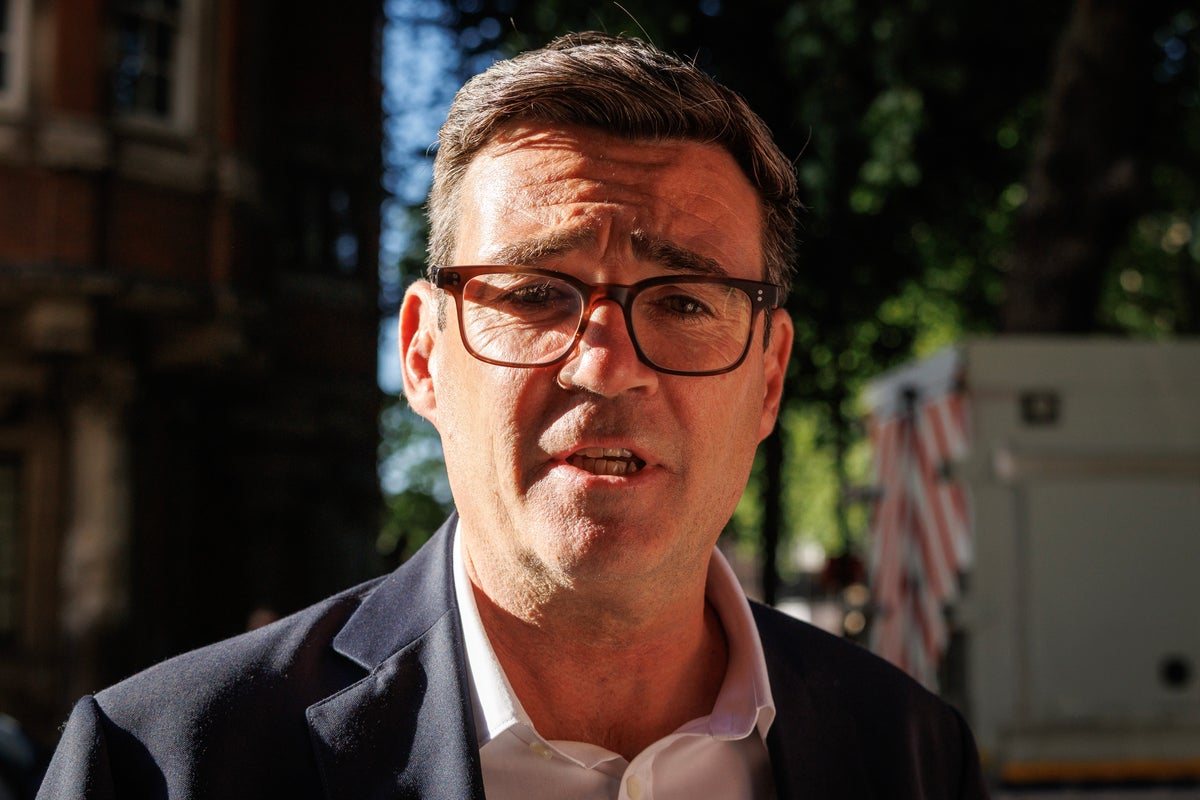
Andy Burnham, the expected next Labour leader, has indicated he may raise taxes on large warehouses and wealth while protecting high street shops and pubs from business rates, as he outlines his economic plans for government.
By Charlotte Redford · 6 min read
Andy Burnham, the Makerfield MP widely expected to succeed Sir Keir Starmer as Labour leader, has signalled that he may raise taxes on large warehouses and wealth while lifting high street shops and pubs out of business rates, as part of a broader economic reset for the country. The prospective prime minister has hinted at a series of tax proposals that could reshape the fiscal landscape, though he has stopped short of offering a detailed blueprint ahead of a potential autumn Budget.
Speaking about his plans, Burnham indicated that he is looking at hiking business rates on giant warehouses — a move that would target the logistics and e-commerce sectors that have expanded rapidly in recent years. At the same time, he suggested that smaller retailers and pubs on the high street could be relieved from paying business rates entirely, a policy aimed at revitalising town centres that have struggled under the weight of online competition and rising costs.
Burnham has also hinted at changes to income and wealth taxes, though he has not specified the exact thresholds or rates. His comments come as the UK faces significant pressures on public finances, including a global energy shock, jittery bond markets, and rising spending demands on public services such as the NHS, social care, and education. The prospective leader has pledged to stick to Labour’s current fiscal rules and remain consistent with the party’s 2024 manifesto, but he has acknowledged that tax rises may be necessary to fund his «new direction» for Britain.
The economic context is challenging. According to recent analysis, the UK’s fiscal headroom is extremely limited, and Burnham may have to look at autumn tax rises to finance his proposed investments. The Guardian has reported that the economy is rattled by global uncertainties, and the public purse is under strain from rising debt interest payments and demographic pressures. Burnham has ruled out «crude cuts» to welfare, suggesting that he will seek to protect benefit recipients while raising revenue from other sources.
Burnham’s tax proposals are part of a wider set of plans that include changes to the benefits system. He has outlined a vision for a more active state that invests in infrastructure, green energy, and public services, but he has also stressed the need for fiscal responsibility. The Manchester Evening News has reported that Burnham is expected to take over from Starmer as Labour leader, and his tax and benefits plans are being closely watched by business groups, investors, and voters alike.
The reaction from business leaders has been mixed. Some have welcomed the idea of reducing the tax burden on high street shops and pubs, arguing that it would help struggling town centres. Others have expressed concern about higher taxes on warehouses and wealth, warning that it could deter investment and slow economic growth. Burnham has sought to reassure businesses by emphasising that his approach will be «fair» and «targeted», but he has not provided detailed costings or impact assessments.
Burnham’s stance on fiscal rules is also significant. He has committed to Labour’s current framework, which requires that day-to-day spending be covered by tax revenues, and that debt be falling as a share of GDP by the end of the forecast period. However, some economists have questioned whether these rules are compatible with the scale of investment he has proposed. The Institute for Fiscal Studies has warned that the next government will face tough choices on tax and spending, regardless of who is in power.
As Burnham prepares for government, the pressure on public finances is intensifying. The bond market has been volatile, and the cost of servicing the national debt has risen sharply. The prospective prime minister has indicated that he will not shy away from difficult decisions, but he has also emphasised the need to protect living standards and public services. His tax proposals are likely to be a central issue in the coming months, as he seeks to build a coalition of support for his economic agenda.
In summary, Andy Burnham is signalling a shift in tax policy that could see higher levies on large warehouses and wealth, combined with relief for high street businesses. His plans are set against a backdrop of fiscal strain and global economic uncertainty, and they will be scrutinised by markets, businesses, and voters as he moves closer to becoming prime minister. The details remain to be fleshed out, but the direction of travel is clear: Burnham is preparing to raise taxes to fund a new vision for Britain, while ruling out cuts to welfare and sticking to Labour’s fiscal rules.