
Business 110
Dacia CEO Urges EU to Freeze Small Car Rules to Cut Prices
In this issue
Business 110
Dacia CEO Urges EU to Freeze Small Car Rules to Cut Prices
Culture 89
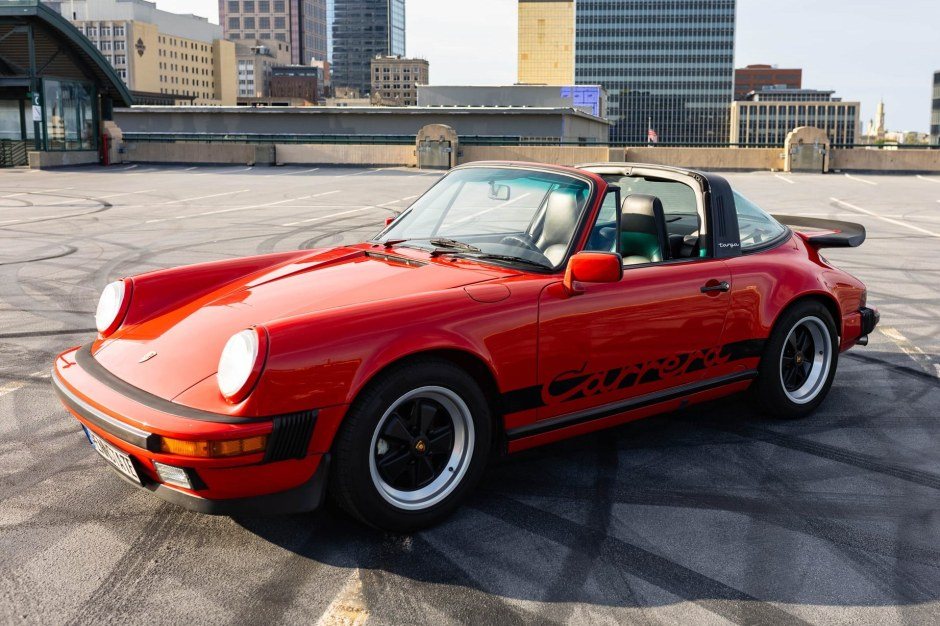
1988 Porsche 911 Carrera Targa G50 with Rebuilt Engine Heads to Auction
Economy 29
HMRC is writing to low earners about pension top-ups averaging about £70
News 124
Aftermarket Trackers Recover 99% of Stolen Cars as Factory Systems Fail
Politics 104
Met police open inquiry into alleged foreign donations to Reform UK
Sports 231
AMG GT Black Series Spied With Radical Aero Ahead of Nürburgring Record Attempt
Technology 116
Waymo Expands Driverless Ride-Hailing to Las Vegas
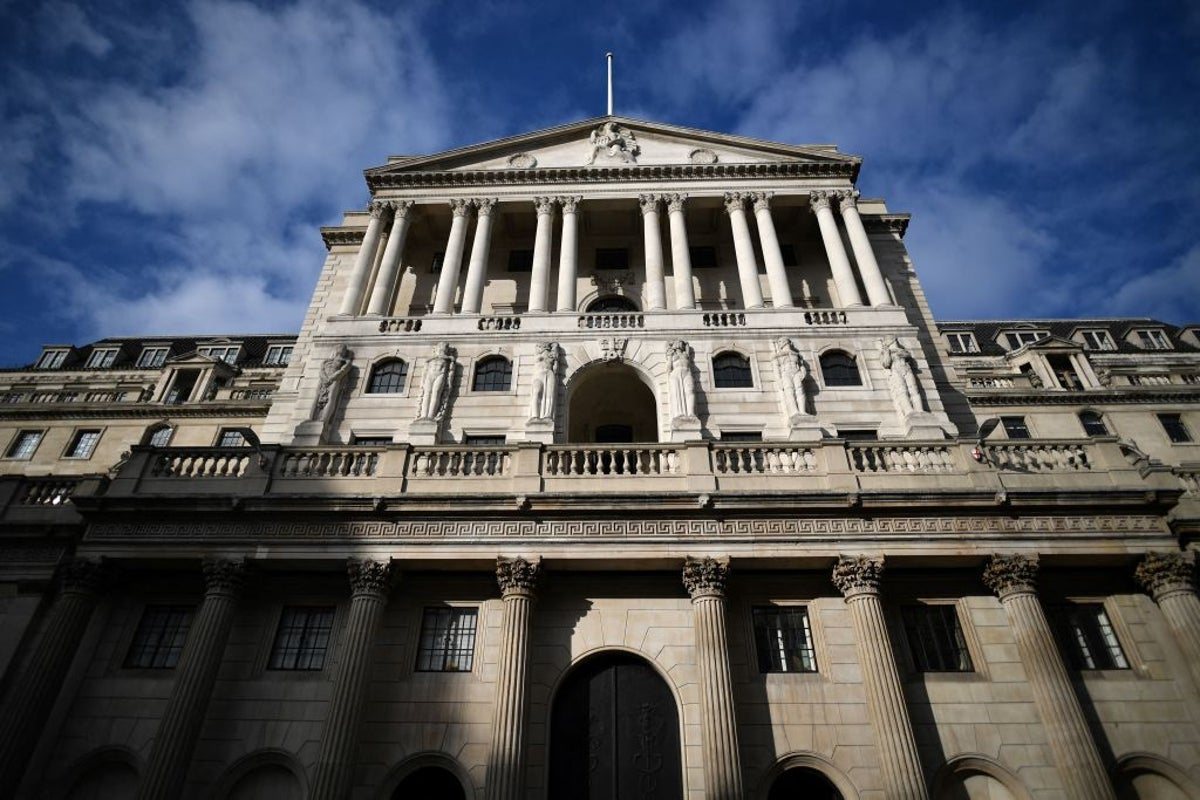
The Bank of England has kept its benchmark interest rate unchanged at 3.75 per cent, signalling that it may be forced to raise borrowing costs again if the conflict in the Middle East pushes inflation higher.
By George Kensington · 4 min read
The Bank of England has opted to hold interest rates at 3.75 per cent, resisting pressure to cut borrowing costs even as the economy shows signs of slowing. Policymakers on the Monetary Policy Committee judged that the current level remains appropriate for now, but made clear that further tightening could be necessary if geopolitical tensions in the Middle East stoke a fresh wave of inflation.
The decision to keep rates on hold came despite the central bank’s primary tool for combating inflation being interest rate hikes. The committee noted that while domestic price pressures have eased in recent months, the outlook remains highly uncertain. Energy and food costs have fallen from their peaks, but core inflation — which strips out volatile items — is still running above the 2 per cent target. The Bank’s latest projections suggest that inflation could tick up again later this year if oil prices rise sharply due to disruptions in the Red Sea and the broader Middle East.
Geopolitical risk is playing an increasingly prominent role in monetary policy deliberations. The escalating conflict between Israel and Iran, as well as renewed Houthi attacks on commercial shipping in the southern Red Sea, have raised the prospect of supply chain disruptions and higher energy prices. Saudi Arabia is reportedly preparing a major military offensive against the Houthis in central Yemen, a move that could further destabilise the region and threaten oil exports through the Bab al-Mandab strait. Any sustained rise in oil prices would feed directly into UK inflation, eroding households’ purchasing power and complicating the Bank’s efforts to bring price growth under control.
The decision was widely expected by financial markets, but the accompanying statement contained a hawkish tilt. The committee emphasised that it stands ready to adjust policy if the economic outlook deteriorates or if inflation proves more persistent than anticipated. Some analysts interpreted this as a signal that rate cuts, which many businesses and homeowners had hoped for later this year, are unlikely before the autumn at the earliest. Mortgage holders on variable-rate deals will continue to face elevated monthly payments, while those coming off fixed-term loans may still see a significant increase when they refinance.
The FTSE 100 index closed down 11.14 points at 10,897.27 on the day of the announcement, reflecting investor disappointment that no easing was on the horizon. Banking and energy stocks were among the biggest movers, as traders priced in a longer period of higher rates. The pound remained broadly stable against the dollar and the euro, suggesting that currency markets had already discounted a hold.
Looking ahead, the Bank of England’s next moves will depend heavily on external factors beyond its control. If the Middle East conflict escalates further, driving oil prices above $100 a barrel, the case for another rate rise would strengthen. Conversely, if geopolitical tensions ease and inflation continues to fall, the committee may eventually pivot towards a more accommodative stance. For now, borrowers and businesses must brace for a prolonged period of high interest rates, with no clear relief in sight.