
Business 110
Dacia CEO Urges EU to Freeze Small Car Rules to Cut Prices
In this issue
Business 110
Dacia CEO Urges EU to Freeze Small Car Rules to Cut Prices
Culture 89
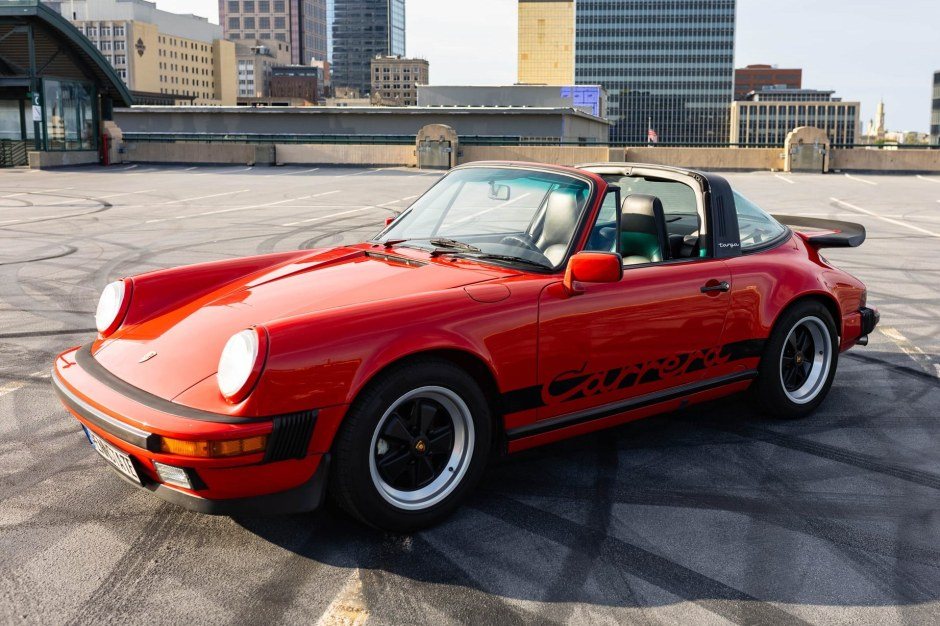
1988 Porsche 911 Carrera Targa G50 with Rebuilt Engine Heads to Auction
Economy 29
HMRC is writing to low earners about pension top-ups averaging about £70
News 124
Aftermarket Trackers Recover 99% of Stolen Cars as Factory Systems Fail
Politics 104
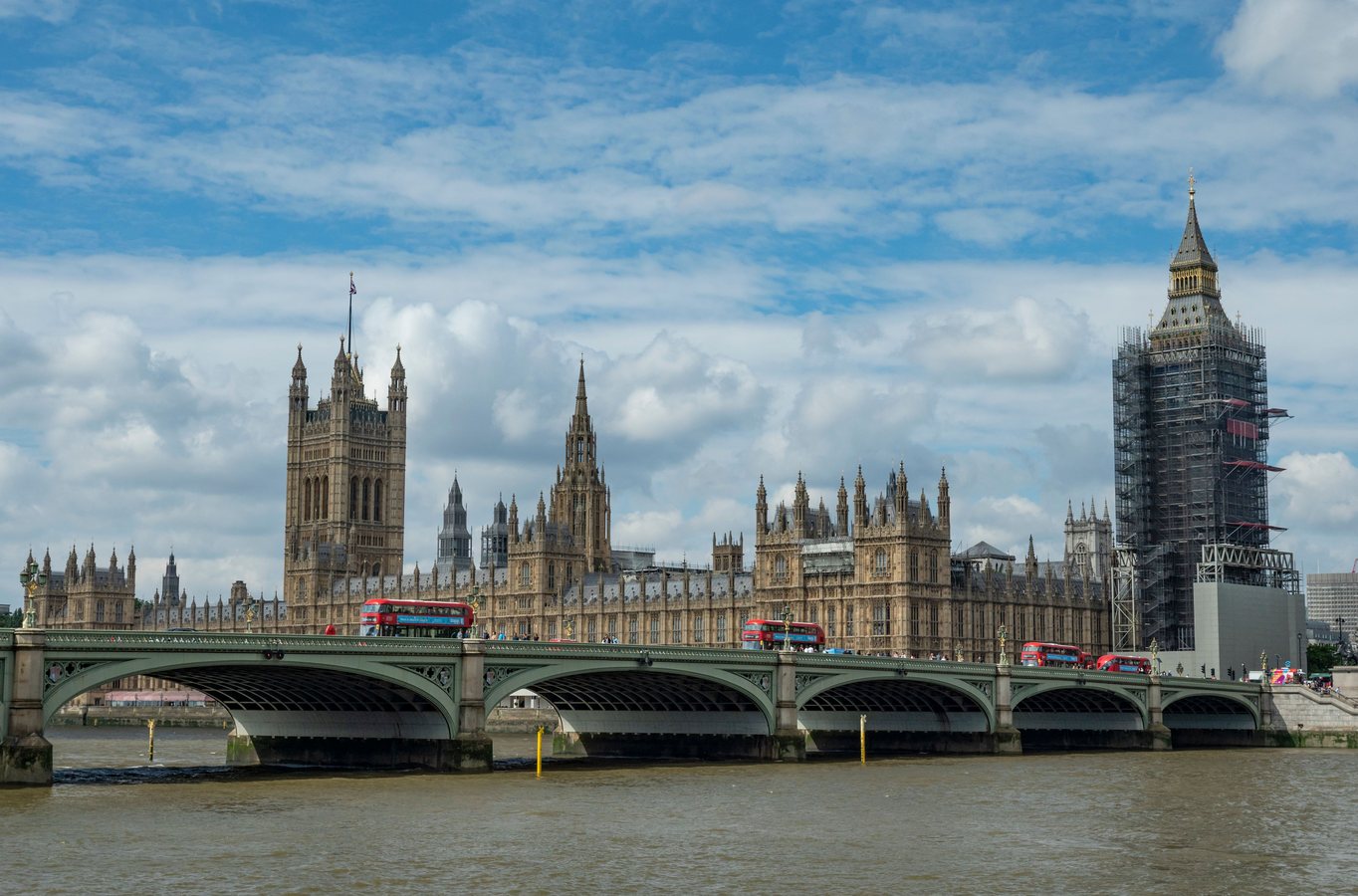
Met police open inquiry into alleged foreign donations to Reform UK
Sports 231
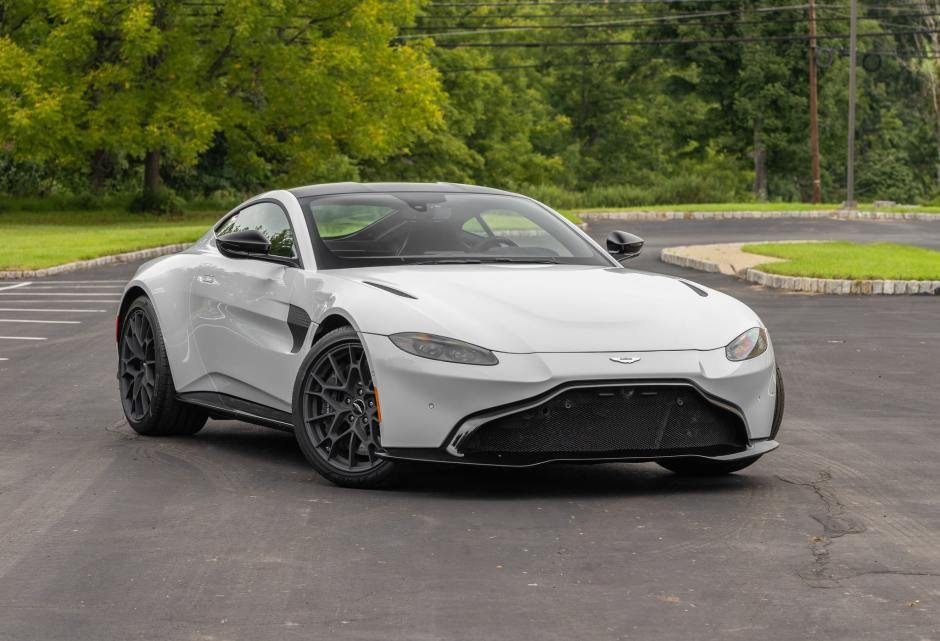
AMG GT Black Series Spied With Radical Aero Ahead of Nürburgring Record Attempt
Technology 117
BMW Confirms Next 3 Series Will Retain Plug-In Hybrid Power
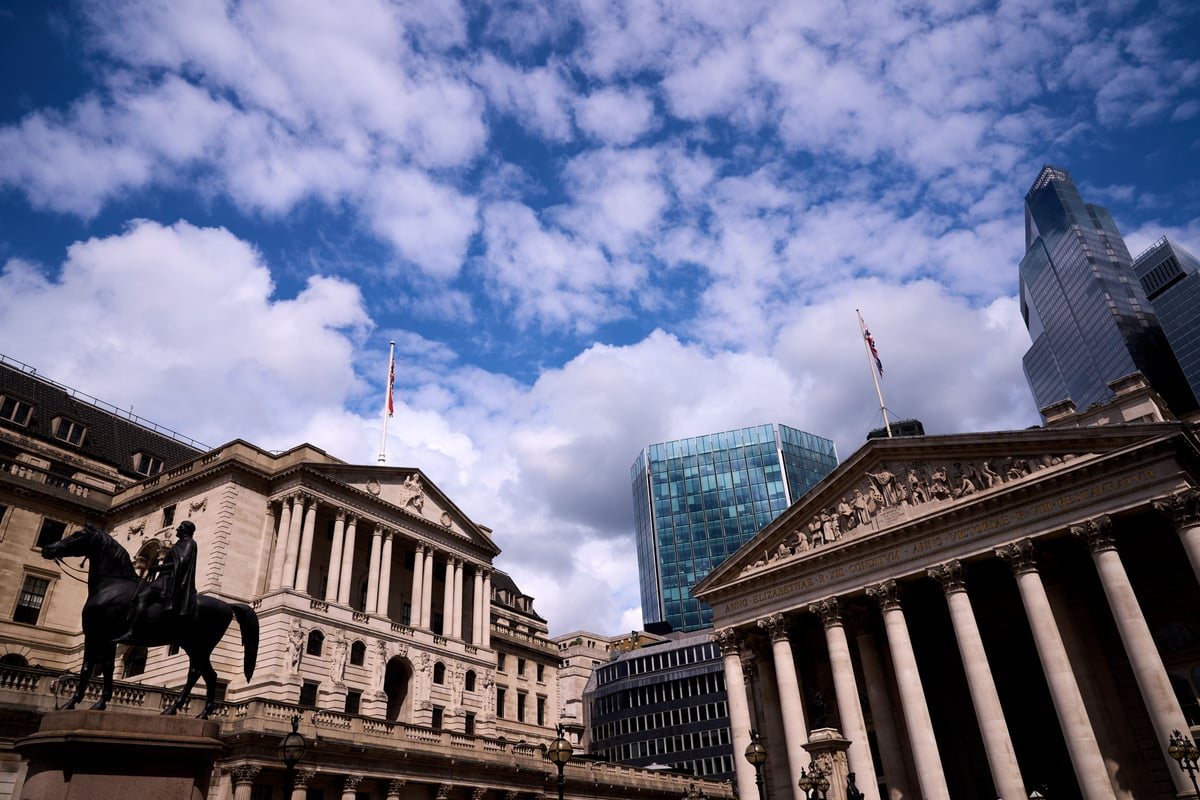
The Bank of England’s Monetary Policy Committee voted 6-3 to keep the base rate unchanged, citing risks from the Iran conflict and rising oil prices that could push inflation above 4% next year.
By Eleanor Ellington · 4 min read
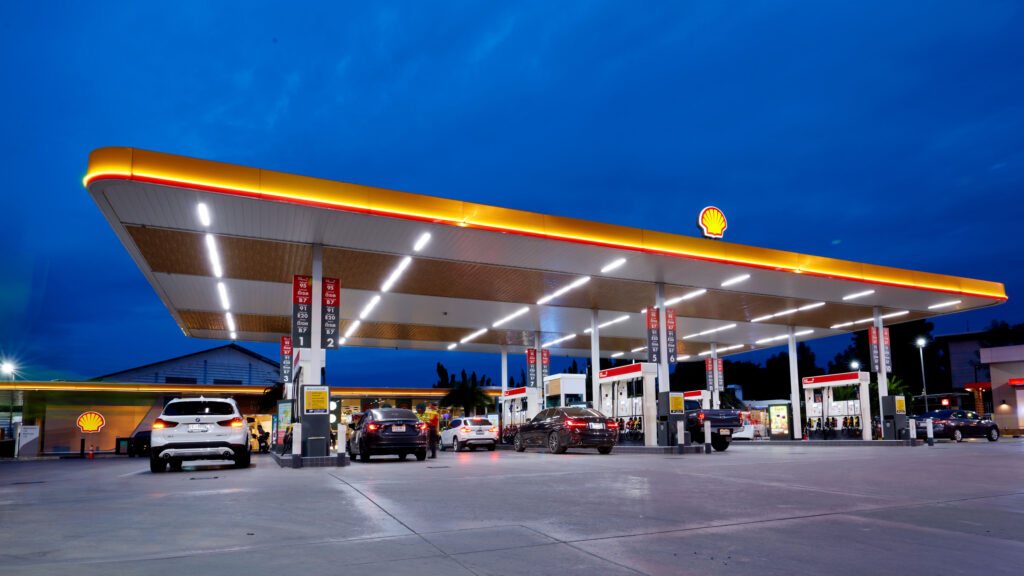
The Bank of England has held interest rates at 3.75%, warning that the escalating war in Iran and surging oil prices could drive inflation above 4% in the coming year, intensifying cost-of-living pressures on British households. The central bank’s Monetary Policy Committee (MPC) voted by six to three to keep the base rate unchanged, reflecting deep divisions over the economic outlook. Oil prices have climbed back above $90 a barrel, adding to global uncertainty and feeding into domestic energy costs.
The decision marks the seventh consecutive hold since December 2025, when rates were last cut. However, a rate hike later this year is no longer off the table, according to analysts, as the bank grapples with fresh inflationary pressures from the Middle East conflict and rising commodity prices. The three dissenting MPC members voted for a quarter-point increase, arguing that the risks of persistently high inflation warranted tighter policy. The majority, however, opted to wait for more data, mindful of the fragile economic recovery and the lagged impact of previous rate rises.
The bank’s latest forecasts show inflation, which had been easing towards the 2% target, could rebound sharply if the Iran conflict disrupts oil supplies and pushes up energy bills. Additionally, rising prices for memory chips and other components are adding to business costs, which may feed through to consumer prices. The combination of energy and semiconductor cost increases has raised concerns about broader price pressures across the economy.
For homeowners with variable-rate mortgages, the hold means no immediate change in monthly payments, but borrowers remain exposed to future increases. Those on fixed-rate deals coming up for renewal may face significantly higher costs when they refinance, as the market expects rates to rise later this year. Savers, meanwhile, may continue to benefit from relatively high savings rates offered by some banks, though real returns are eroded by inflation currently above the target.
Business groups gave a mixed response to the decision. Some welcomed the stability, arguing that premature tightening could damage investment and employment. Others warned that prolonged high rates could stifle economic growth and called for more support for firms struggling with rising input costs. The government has faced pressure to address living costs, but the Bank of England operates independently in setting monetary policy.
Looking ahead, financial markets are pricing in a possible rate rise before the end of the year, depending on inflation data and developments in the Middle East. The next MPC meeting in September will be closely watched for any change in tone. Governor Andrew Bailey has stressed that the committee remains watchful of second-round effects, such as wage demands, that could entrench higher inflation.
The decision comes against a backdrop of heightened geopolitical risk. The war in the Middle East has already caused volatility in global markets, and further escalation could have severe consequences for the UK economy, including supply chain disruptions and further energy price spikes. The bank emphasised its commitment to returning inflation to the 2% target, but acknowledged that the path is uncertain and that policy may need to adjust if price pressures persist.