
Business 110
Dacia CEO Urges EU to Freeze Small Car Rules to Cut Prices
In this issue
Business 110
Dacia CEO Urges EU to Freeze Small Car Rules to Cut Prices
Culture 89
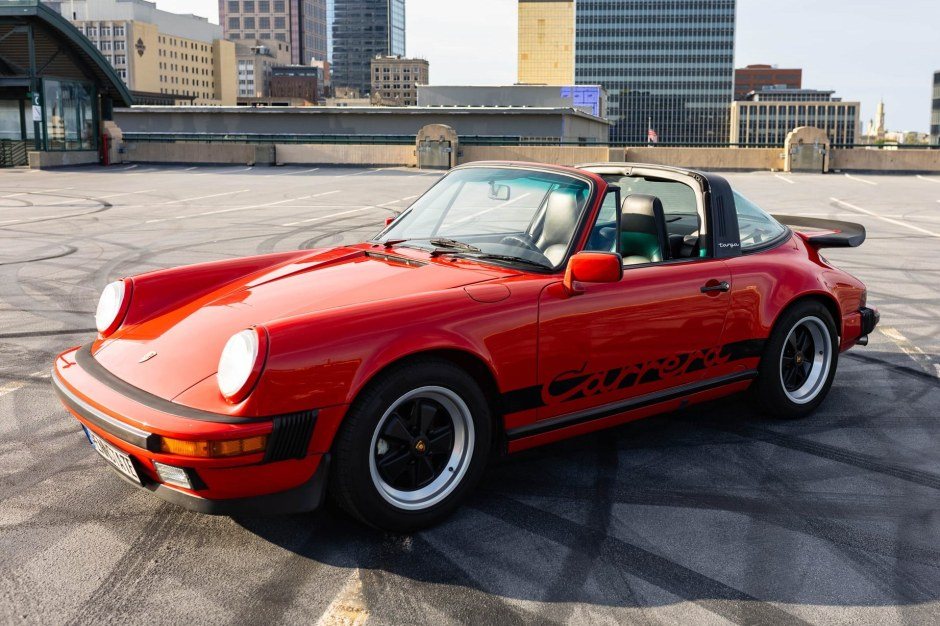
1988 Porsche 911 Carrera Targa G50 with Rebuilt Engine Heads to Auction
Economy 29
HMRC is writing to low earners about pension top-ups averaging about £70
News 124
Aftermarket Trackers Recover 99% of Stolen Cars as Factory Systems Fail
Politics 104
Met police open inquiry into alleged foreign donations to Reform UK
Sports 231
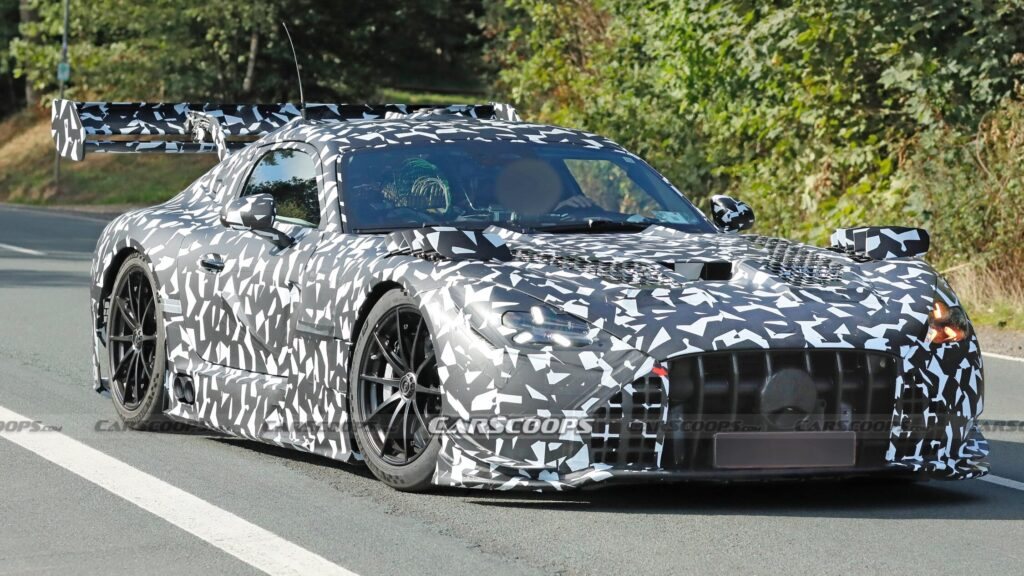
AMG GT Black Series Spied With Radical Aero Ahead of Nürburgring Record Attempt
Technology 117
BMW Confirms Next 3 Series Will Retain Plug-In Hybrid Power
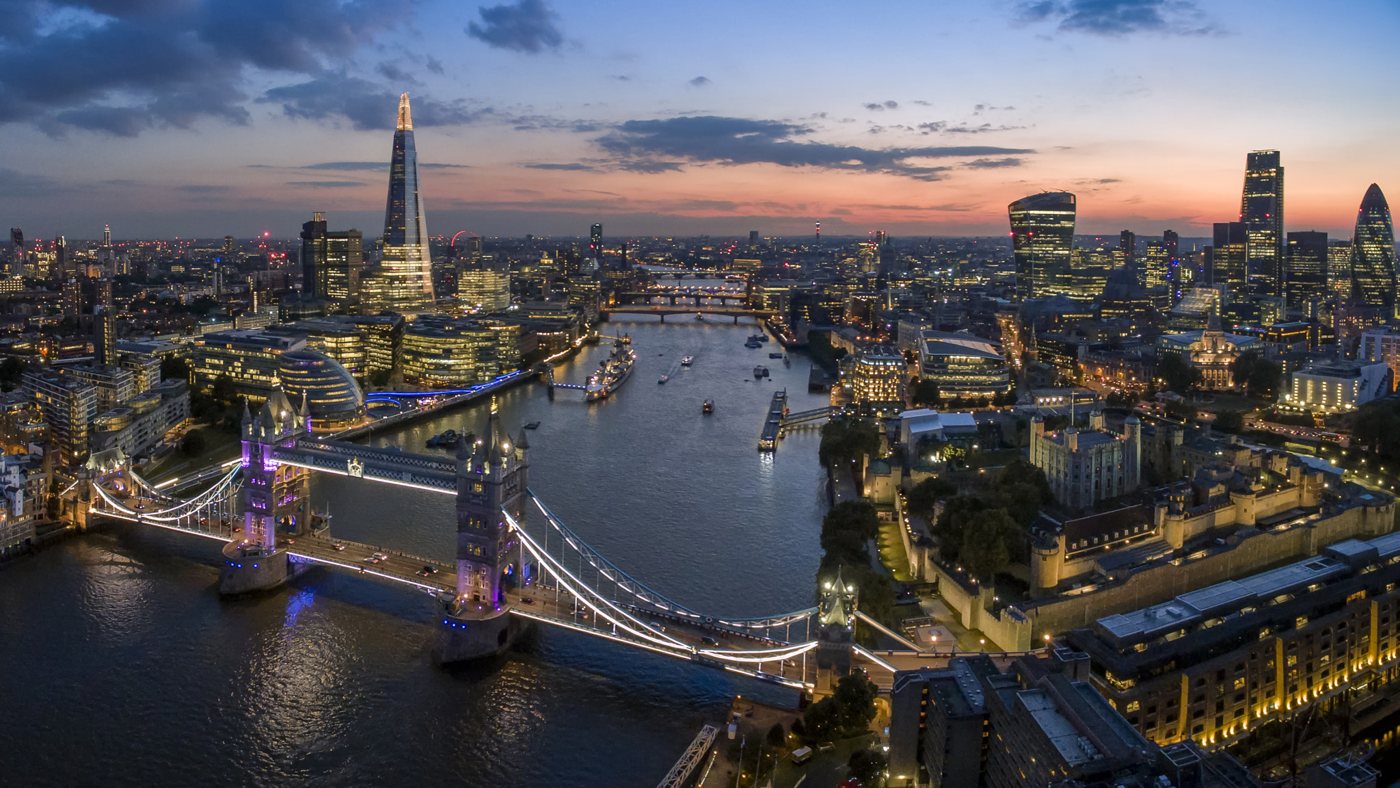
City economists warn that if oil prices return to above $100 a barrel due to renewed Iran conflict, the Bank of England may have to revise its forecasts and increase interest rates later this year.
By Edward Beaumont · 4 min read
City economists have warned that the Bank of England could be forced to raise interest rates later this year if oil prices climb back above $100 a barrel, driven by escalating tensions in the Middle East. The warning comes ahead of the Bank’s meeting this Thursday, where policymakers are widely expected to hold borrowing costs steady. However, analysts say that any sustained increase in energy costs could fundamentally alter the outlook for inflation and monetary policy, potentially prompting a reversal of the current dovish stance.
The renewed conflict involving Iran has cast a long shadow over global energy markets, with crude prices already edging higher on fears of supply disruptions. While a rate hike is not anticipated at this week’s decision, economists caution that the Bank cannot afford to ignore the inflationary pressure that higher oil prices would bring. A barrel of oil trading above $100 would feed directly into household energy bills, transport costs, and the price of goods, reigniting pressure on the Bank’s 2 percent inflation target.
The Bank of England has spent the past year gradually loosening policy as inflation retreated from its peak, but the new geopolitical risk complicates that trajectory. City forecasters now warn that the Monetary Policy Committee may need to tear up its existing economic projections and prepare for a tightening cycle later in the year. Higher interest rates would be used to curb demand and prevent an oil-driven price spiral from becoming embedded in the economy, but would also slow growth and increase borrowing costs for households and businesses.
The potential impact on the UK economy would be significant. Manufacturers, logistics firms, and retailers have already endured volatile input costs, and a sustained oil rally could squeeze margins again. Homeowners with variable-rate mortgages or those refinancing would face higher monthly payments, while businesses would delay investment. The government would also see its fiscal headroom shrink, as slower growth reduces tax revenues and higher interest payments on index-linked debt eat into budgets.
Economists stress that the outcome depends heavily on the path of the Iran conflict and the response of Opec and other producers. If diplomatic efforts succeed or alternative supply sources emerge, the oil price spike may prove temporary. But if the crisis deepens, the Bank of England may have no choice but to act. Markets will scrutinise Thursday’s meeting statement for any shift in language that signals a growing concern about the downside risks to inflation from energy costs.
For now, the consensus is that the Bank will keep rates unchanged, but the message from the City is clear: the era of low inflation and low interest rates cannot be taken for granted. The combination of geopolitical instability and energy price volatility has returned to the top of the monetary policy agenda, and the decisions made in the coming months will carry heavy consequences for the UK economy.