
Business 110
Dacia CEO Urges EU to Freeze Small Car Rules to Cut Prices
In this issue
Business 110
Dacia CEO Urges EU to Freeze Small Car Rules to Cut Prices
Culture 89
1988 Porsche 911 Carrera Targa G50 with Rebuilt Engine Heads to Auction
Economy 29
HMRC is writing to low earners about pension top-ups averaging about £70
News 124
Aftermarket Trackers Recover 99% of Stolen Cars as Factory Systems Fail
Politics 104
Met police open inquiry into alleged foreign donations to Reform UK
Sports 231
AMG GT Black Series Spied With Radical Aero Ahead of Nürburgring Record Attempt
Technology 117
BMW Confirms Next 3 Series Will Retain Plug-In Hybrid Power

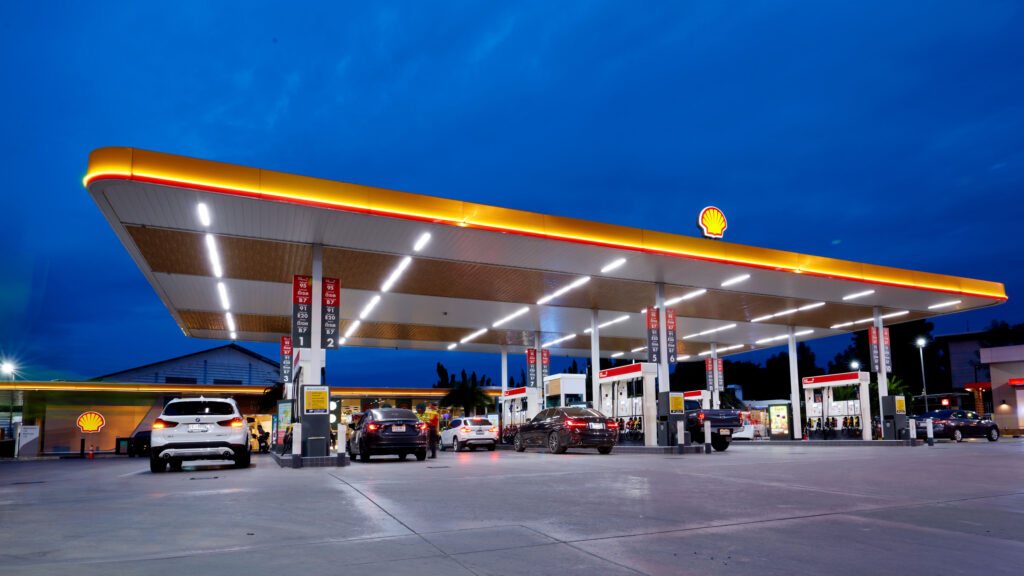
Shell reported a net profit of $9.84bn for the second quarter, more than double the same period last year, driven by higher oil and gas prices amid Middle East conflict, prompting renewed calls for a windfall tax.
By Edward Beaumont · 4 min read
Shell has more than doubled its quarterly profit, reporting net earnings of $9.84bn (£7.4bn) for the three months to June, as higher oil and gas prices fuelled by the war in the Middle East boosted the energy giant’s bottom line. Europe’s biggest oil and gas company saw its net profit surge compared with $4.6bn in the same period last year, reflecting the sustained impact of global conflict on energy markets.
The FTSE 100 company’s second-quarter results have reignited debate over the taxation of oil and gas profits, with environmental groups renewing their calls for a windfall tax to help support households struggling with energy bills. Critics argue that Shell’s bumper earnings come at a time when many British families are facing elevated costs for heating and fuel, despite some moderation in wholesale prices in recent months.
Shell’s profit jump is largely attributed to the sharp increase in crude oil and natural gas prices triggered by escalating tensions in the Middle East. The conflict has disrupted supply routes and heightened market uncertainty, allowing major producers to capture significantly higher margins. The company also benefited from strong refining margins and cost-cutting measures implemented in previous quarters.
The earnings announcement has drawn sharp reactions from campaigners and political figures. Friends of the Earth said the figures demonstrate that the energy industry is profiting from instability and called for a robust windfall tax to redistribute what they described as «excessive gains» to vulnerable consumers. The UK government previously imposed a windfall levy on oil and gas companies, but campaigners argue it has been too lenient and that the current crisis justifies further action.
Shell has defended its performance, stating that the profits are necessary to fund investments in renewable energy and to maintain shareholder returns. The company has pledged to increase spending on low-carbon technologies, including hydrogen, wind, and carbon capture, as part of its transition strategy. However, critics remain sceptical, pointing out that a large proportion of Shell’s capital expenditure is still directed towards fossil fuel projects.
The broader economic context is also significant. The jump in energy prices has contributed to inflationary pressures across Europe, affecting transport, manufacturing, and household budgets. Central banks, including the Bank of England, have been closely monitoring energy price dynamics as they assess the path for interest rates. Analysts warn that sustained high oil prices could delay the expected easing of inflation, complicating the economic recovery outlook.
Shell’s results come amid a mixed earnings season for the energy sector. Rivals such as BP and TotalEnergies are also expected to report strong profits, though the magnitude of gains may vary depending on their exposure to different regions and commodities. Investors have reacted positively to Shell’s figures, with shares edging higher in early trading on the London Stock Exchange.
The debate over windfall taxes is likely to intensify in the coming weeks as governments weigh the need to support consumers against the desire to maintain a stable investment environment for energy companies. With winter approaching and energy demand set to rise, the political pressure on both Shell and policymakers is expected to mount. For now, the company’s record profits serve as a stark reminder of the financial rewards generated by global instability in energy markets.