
Business 148
Tesla begins volume production of Semi electric truck at Nevada plant
In this issue
Business 148
Tesla begins volume production of Semi electric truck at Nevada plant
Culture 153
2021 Toyota Land Cruiser Heritage Edition Heads to Auction
Economy 32
Bitcoin and Ethereum Surge to Levels Last Seen in January
News 132
Sarandon and Einbinder arrested at anti-Netanyahu protest in New York
Politics 108
US Lawmakers Move to Permanently Ban Chinese Cars
Sports 246
Alonso Buys Most Expensive Bugatti Veyron Ever Built
Technology 171
LexisNexis and IMS Bring Driving Scores to Insurer Apps Without Dongles
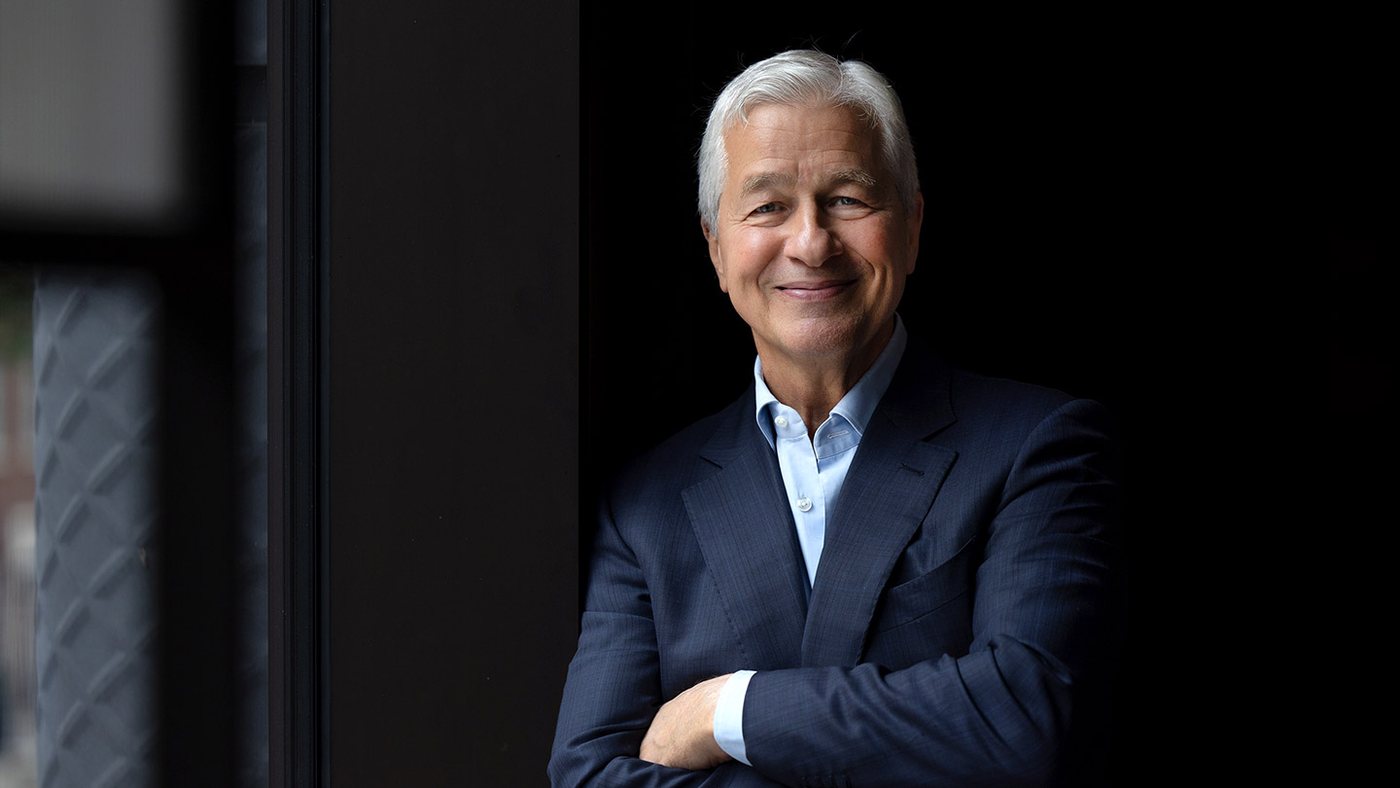
Jamie Dimon says the reserve currency follows economic and military strength. Trump's agenda could reinforce those foundations in some areas while weakening them through debt, trade fragmentation and pressure on institutions.
By George Kensington · 5 min read
A reserve currency is one of the least visible expressions of leadership. There is no ceremony when a central bank buys Treasuries, no scoreboard when a company invoices a contract in dollars, and no single vote that keeps the currency at the centre of global finance. Yet those millions of decisions collectively give the United States cheaper financing, strategic reach and influence over the rules of the international system.
Jamie Dimon's latest warning is that this advantage can be lost. The JPMorgan Chase chief said the dollar will not remain the world's reserve currency if the United States is no longer the strongest economy and military power in 25 years. For President Donald Trump, who promised to preserve dollar dominance, that is less a forecast than a leadership test.
The dollar is not failing that test today. IMF figures for the first quarter of 2026 show it at 57.13% of global foreign-exchange reserves, still vastly ahead of the euro. The White House can therefore fairly reject claims that reserve status has already been lost. It also argues that Trump's policies, including the GENIUS Act for dollar-backed stablecoins, are reinforcing demand for dollars and Treasuries.
The harder question is what happens to the foundations of that demand. Dimon has repeatedly said American economic strength must be paired with open markets, rule of law, reliability and alliances. Those are leadership assets because they persuade others that the system will still be functioning on the same basic terms when a 10- or 30-year bond matures.
Trump's fiscal policy is a direct test. His signature 2025 reconciliation law extends tax provisions, funds defence and border priorities and changes major spending programmes. CBO estimates that it adds about $4.7tn to deficits from 2026 to 2035 after macroeconomic and interest effects. Debt held by the public is projected to reach 120% of GDP by 2036, while net interest costs roughly double over the decade.
There is a coherent leadership argument behind the spending. A stronger military and more productive private sector are exactly the capabilities Dimon says support the dollar. The danger is that the state borrows so much to finance those goals that the cost of servicing debt begins to constrain future choices. Reserve status can make large borrowing sustainable for longer; it cannot remove arithmetic.
Trade is where Trump's style is most visible. Tariffs are designed to force bargaining, protect strategic industries and move supply chains. The temporary 10% import surcharge used earlier this year was one example. CBO says higher tariffs raise enough revenue to reduce projected deficits substantially but also weigh on growth. Dimon agrees with parts of the national-security case and has criticised US dependence on China for critical materials. But he wants the result to be a stronger network of allies, not a fragmented set of blocs.
That distinction goes to the heart of leadership. Dimon warned in his 2025 shareholder letter that fractured allied relationships could isolate America and eventually cost the dollar its reserve role. A country can compel a concession through market size; maintaining a system requires partners to believe participation remains in their interest.
Institutional conduct is another part of the premium. Dimon defended Federal Reserve independence in January while the Trump administration was escalating its confrontation with the central bank. The Supreme Court later blocked Trump's attempt to remove Governor Lisa Cook for the time being. Markets do not require political harmony, but they do reward durable boundaries between political power and monetary policy.
Trump's project could still strengthen the dollar's foundations if industrial capacity rises, defence becomes more credible and new financial technology expands dollar use without sacrificing trust. But the margin for error is not unlimited. Dimon's message is that global leadership and reserve-currency status are the same balance sheet viewed from different angles. The dollar will remain exceptional only for as long as the institutions, economy and alliances behind it remain exceptional too.
68