
Business 110
Dacia CEO Urges EU to Freeze Small Car Rules to Cut Prices
In this issue
Business 110
Dacia CEO Urges EU to Freeze Small Car Rules to Cut Prices
Culture 89
1988 Porsche 911 Carrera Targa G50 with Rebuilt Engine Heads to Auction
Economy 29
HMRC is writing to low earners about pension top-ups averaging about £70
News 124
Aftermarket Trackers Recover 99% of Stolen Cars as Factory Systems Fail
Politics 104
Met police open inquiry into alleged foreign donations to Reform UK
Sports 231
AMG GT Black Series Spied With Radical Aero Ahead of Nürburgring Record Attempt
Technology 116
Waymo Expands Driverless Ride-Hailing to Las Vegas
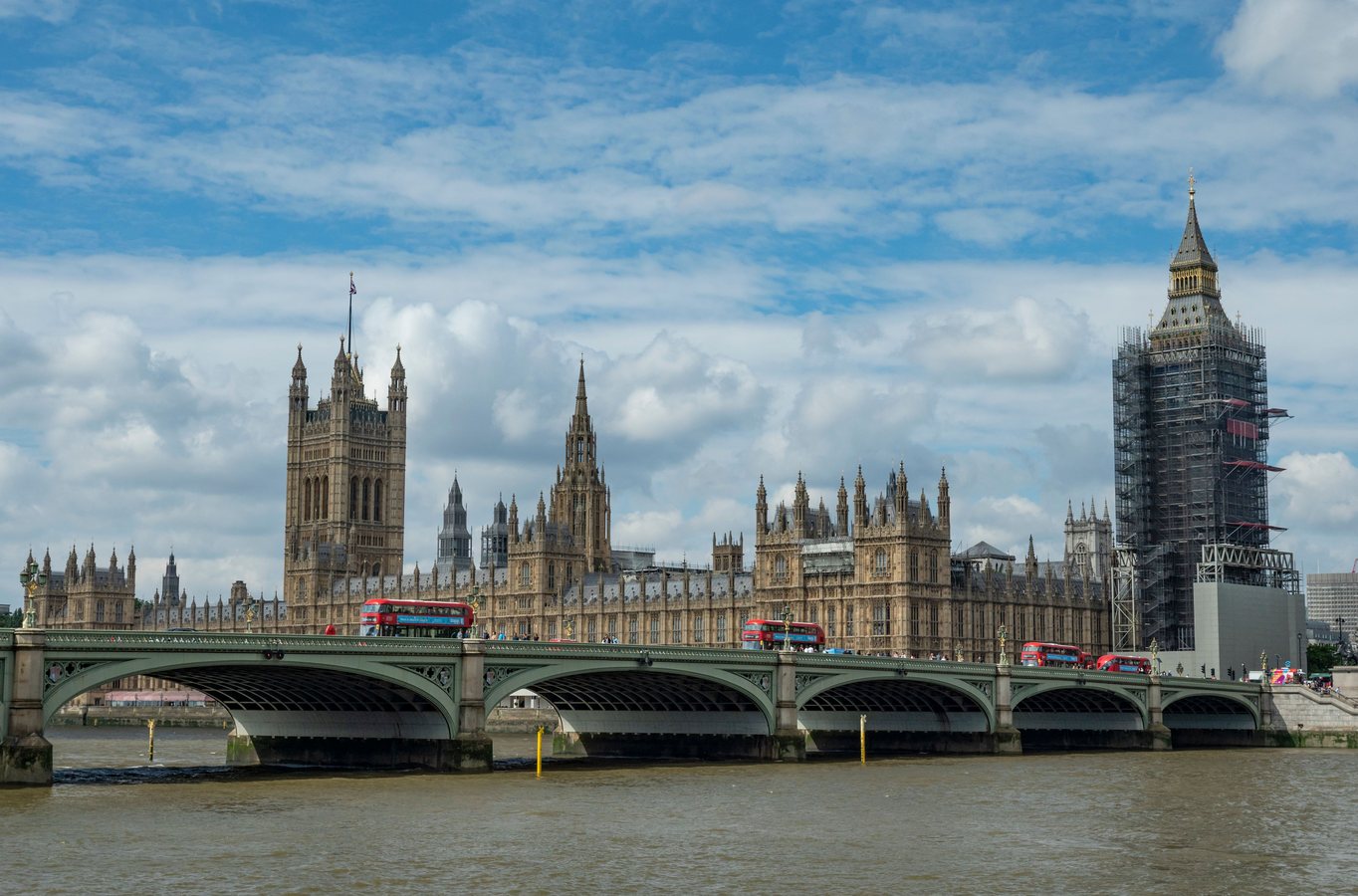
Westminster Council is writing to 200,000 residents asking which services should be cut as it faces an unprecedented £100 million drop in central government funding and warns of a potential 200% council tax increase.
By Eleanor Ellington · 4 min read
Westminster Council has launched a consultation with 200,000 residents asking them to decide which local services should be reduced or scrapped entirely, as the authority warns of an «unprecedented» financial crisis that could lead to a 200 per cent council tax rise. The move comes after the council suffered a £100 million drop in central government funding, forcing it to rethink its budget for the coming year.
The council says the scale of the shortfall is so severe that it can no longer maintain current service levels without making drastic cuts or raising council tax to the maximum allowable level. Under government rules, local authorities can increase council tax by up to 5 per cent without a referendum, but Westminster is warning that even that would not close the gap. A 200 per cent rise would require special permission and is presented as a worst-case scenario to highlight the gravity of the situation.
Residents have been asked to rank which services they value most and which they would be willing to lose. The consultation covers a wide range of public amenities, including street cleaning, parks and open spaces, libraries, waste collection, community centres, and road maintenance. The council has stressed that no decision has been taken yet and that the outcome of the consultation will directly influence the final budget proposal.
Westminster — one of London's most affluent boroughs — has historically benefited from high business rates revenues due to its central location and concentration of commercial property. However, changes to the local government finance system and the impact of the Covid-19 pandemic on office occupancy and tourism have significantly reduced income from business rates. The council also cites increased demand for social care and homelessness services as further pressure on its finances.
The warning from Westminster reflects a wider crisis in local government funding across England. Many councils, including several in London, have issued section 114 notices or warned of effective bankruptcy in recent years. The Local Government Association has repeatedly called for a fundamental reform of council funding, arguing that reliance on council tax and business rates is unsustainable and leaves councils vulnerable to economic shocks.
The consultation will run for twelve weeks, with results expected to feed into the budget setting process early next year. Council leaders have said they will do everything possible to protect frontline services, but acknowledge that difficult choices are inevitable. A final budget is due to be approved by the council in February.
Opposition councillors have criticised the consultation as a way of shifting blame onto residents for decisions that the administration should take. They argue that the council has failed to lobby effectively for more central government support or to explore alternative funding options. The council has responded by saying it is being transparent about the scale of the challenge and wants residents to understand the reality of the financial position.
For central London residents, the consultation presents an unfamiliar choice — for decades the area has enjoyed high-quality public services funded by a buoyant local economy. Now, even in one of the wealthiest parts of the country, the cost of maintaining those services is outpacing available revenue. The outcome of the consultation is likely to be closely watched by other councils facing similar budget pressures across the UK.