
Business 110
Dacia CEO Urges EU to Freeze Small Car Rules to Cut Prices
In this issue
Business 110
Dacia CEO Urges EU to Freeze Small Car Rules to Cut Prices
Culture 89
1988 Porsche 911 Carrera Targa G50 with Rebuilt Engine Heads to Auction
Economy 30
HMRC is writing to low earners about pension top-ups averaging about £70
News 123
Aftermarket Trackers Recover 99% of Stolen Cars as Factory Systems Fail
Politics 104
Met police open inquiry into alleged foreign donations to Reform UK
Sports 231
AMG GT Black Series Spied With Radical Aero Ahead of Nürburgring Record Attempt
Technology 117
BMW Confirms Next 3 Series Will Retain Plug-In Hybrid Power
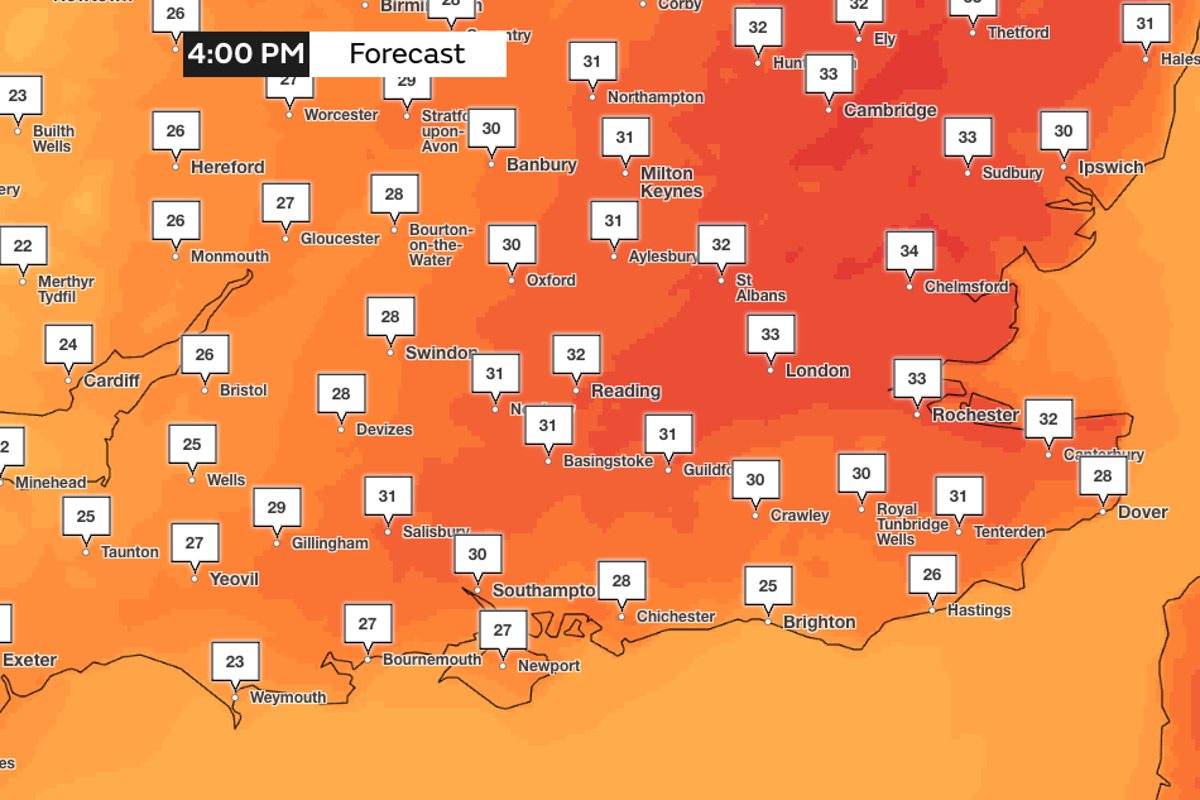
Half of England has been officially declared in drought following the driest July on record, with temperatures hitting 35.2C and warnings of severe wildfires and crop damage.
By Eleanor Ellington · 4 min read
Half of England has been officially declared in drought after the country experienced its driest July on record, with temperatures reaching 35.2 degrees Celsius. The announcement by the Environment Agency covers eight of its 14 regions, including London, the South East, East Anglia, and parts of the Midlands, placing millions of households and businesses under the formal drought status.
The declaration comes as forecasters warn of an increased risk of wildfires across large swathes of the country. A Met Office assessment indicated that any fires starting in parts of London could prove «exceptionally severe» given the dry ground and high temperatures. Fire services have already dealt with a series of grass fires in the capital and other regions, stretching resources as the heatwave persists.
Farmers have raised serious concerns about the impact on crops, warning that the drought could lead to higher prices in supermarkets and even shortages of staple products such as baking potatoes. The National Farmers' Union has said that the prolonged dry spell has left many fields parched, with yields of wheat, barley, and vegetables expected to fall significantly. The lack of rainfall during the growing season has also affected livestock, with pastureland too dry to support normal grazing.
Water companies are under pressure to implement further restrictions on usage. Several suppliers, including Thames Water and Southern Water, have already imposed hosepipe bans or urged customers to reduce consumption voluntarily. The drought status gives regulators and companies additional powers to limit non-essential water use, such as watering gardens, washing cars, and filling swimming pools, as they seek to protect reserves for essential supplies and the environment.
The underlying cause is a summer of exceptional heat and low rainfall. England, and much of the UK, has experienced a run of days above 30C, with the temperature peaking at 35.2C in recent days. July is set to be confirmed as the driest on record for many areas, with some regions receiving less than 10 per cent of their average monthly rainfall. River flows and reservoir levels have dropped sharply, while soil moisture deficits have reached levels not seen for more than a decade.
Environmental groups have warned that the drought poses a long-term threat to wildlife, particularly fish and aquatic insects, as river levels fall and water temperatures rise. The combination of heat and low water can lead to algal blooms and oxygen depletion, damaging habitats. The Environment Agency has said it will take action to protect the most vulnerable rivers, including moving fish to cooler areas where necessary.
Looking ahead, the dry weather is expected to continue for at least the next few days, with little prospect of significant rain. Climate scientists have linked the increasing frequency and intensity of such heatwaves and droughts to global heating, noting that the UK's summers are likely to become hotter and drier on average. The current crisis has reignited debate about water infrastructure, investment in reservoirs, and the need for more efficient use of water in households and agriculture.
For residents in affected areas, the immediate advice is to use water sparingly, stay safe in the heat, and remain vigilant about fire risks. Local authorities and emergency services are coordinating to monitor the situation and respond to any flare-ups. The drought declaration, while not imposing direct restrictions on the public, is a formal acknowledgment that the country is facing a serious water shortage that requires coordinated action across all sectors.