
Business 110
Dacia CEO Urges EU to Freeze Small Car Rules to Cut Prices
In this issue
Business 110
Dacia CEO Urges EU to Freeze Small Car Rules to Cut Prices
Culture 89
1988 Porsche 911 Carrera Targa G50 with Rebuilt Engine Heads to Auction
Economy 30
HMRC is writing to low earners about pension top-ups averaging about £70
News 123
Aftermarket Trackers Recover 99% of Stolen Cars as Factory Systems Fail
Politics 104
Met police open inquiry into alleged foreign donations to Reform UK
Sports 231
AMG GT Black Series Spied With Radical Aero Ahead of Nürburgring Record Attempt
Technology 117
BMW Confirms Next 3 Series Will Retain Plug-In Hybrid Power
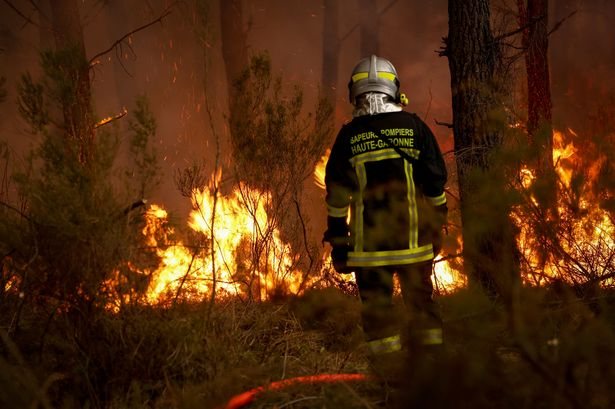
French authorities have ordered the evacuation of nearly 4,000 people from tourist areas around Lacanau as wildfires, driven by a return of extreme heat and winds, continue to threaten the region west of Bordeaux.
By Eleanor Ellington · 4 min read
French authorities have ordered the evacuation of nearly 4,000 people from tourist sites on the Atlantic coast as wildfires driven by a return of extreme heat and winds continue to threaten the region west of Bordeaux. The precautionary measure, covering campsites, holiday villages and other tourist accommodation around the resort of Lacanau, comes as President Emmanuel Macron described the overall wildfire situation as the toughest France has faced since the Second World War.
The evacuation began on Tuesday as temperatures soared and winds picked up, worsening conditions for firefighters who have been battling blazes across the south-west of the country. Flames were reported to have come within nine miles of Bordeaux, raising concerns among local officials. The city's mayor said he was prepared for all eventualities as the crisis deepened.
France has been struggling with a series of wildfires throughout the summer, exacerbated by prolonged drought and repeated heatwaves. The current emergency has now forced tens of thousands of people to leave their homes or holiday accommodation across the Gironde and Landes departments. The resort of Lacanau, popular with surfers and beachgoers, is the latest area to be affected.
The extreme weather is not limited to France. Much of mainland Europe has been experiencing unusually high temperatures, which have heightened the risk of fires breaking out and spreading rapidly. Authorities in Spain have also been fighting wildfires in several regions, including near Madrid, where flames have destroyed thousands of hectares of land. The combination of dry vegetation, strong winds and heat has created a particularly volatile situation.
British tourists planning holidays in the affected areas have been urged to avoid travel for the time being. Local officials in the Gironde region have repeatedly told visitors not to come, warning that the emergency services are stretched to their limit and resources are prioritised for firefighting and protecting residents. Many holidaymakers have already had their trips cut short or cancelled outright.
The French government has mobilised additional water-bombing aircraft, reinforced ground crews and called in support from neighbouring countries. Despite these efforts, the sheer scale and intensity of the fires have made containment difficult. Environmental experts note that climate change is increasing the frequency and severity of such events, with southern Europe becoming more vulnerable year on year.
For those already evacuated, temporary shelters have been set up in local sports halls and community centres. The Red Cross and other organisations are providing food and water. Authorities have advised evacuees to monitor official channels for updates on when they may be allowed to return. However, with the heatwave forecast to persist for several more days, no immediate improvement is expected.
The wildfires have also caused significant disruption to transport. Several major roads have been closed, and rail services on some lines have been suspended or delayed. Air quality in the region has deteriorated, with smoke affecting visibility and posing health risks, particularly for people with respiratory conditions.
As the summer continues, French officials have warned that further evacuations may be necessary if the weather conditions do not change. The situation remains highly dynamic, and the priority remains protecting life and property. With thousands already displaced and fires still burning out of control, the coming days will be critical in determining whether the worst is over or whether more areas will have to be abandoned to the flames.