
Business 110
Dacia CEO Urges EU to Freeze Small Car Rules to Cut Prices
In this issue
Business 110
Dacia CEO Urges EU to Freeze Small Car Rules to Cut Prices
Culture 89
1988 Porsche 911 Carrera Targa G50 with Rebuilt Engine Heads to Auction
Economy 30
HMRC is writing to low earners about pension top-ups averaging about £70
News 123
Aftermarket Trackers Recover 99% of Stolen Cars as Factory Systems Fail
Politics 104
Met police open inquiry into alleged foreign donations to Reform UK
Sports 231
AMG GT Black Series Spied With Radical Aero Ahead of Nürburgring Record Attempt
Technology 116
Waymo Expands Driverless Ride-Hailing to Las Vegas
The Trump administration has announced new tariffs targeting more than 80 countries, including Canada, Mexico, Australia, the EU, and China, claiming previous efforts to enforce forced labour bans have failed. The move follows the Supreme Court's rejection of earlier 'Liberation Day' tariffs and aims to restore a near-global import tax regime.
By Charlotte Redford · 5 min read
The Trump administration has unveiled a sweeping new round of tariffs affecting more than 80 countries, citing what it describes as a failure to enforce forced labour regulations. The measure, announced on Thursday, targets a broad range of economies including Canada, Mexico, Australia, the European Union, and China, and represents the latest effort by the White House to restore a near-global system of import taxes after the Supreme Court struck down the earlier 'Liberation Day' tariffs.
The new tariffs are designed to pressure foreign governments to improve their labour practices and compliance with international standards, according to administration officials. The move comes amid ongoing legal and political battles over trade policy, with the White House arguing that previous enforcement mechanisms have been insufficient to address concerns about goods produced under coercive conditions entering the US market.
The announcement adds to a growing list of trade actions taken by the Trump administration in recent months, which have already drawn sharp criticism from trading partners and business groups. The European Union has signalled it may retaliate with its own tariffs on American products, while Canada and Mexico have expressed disappointment and are reviewing their options. China, already engaged in a protracted trade dispute with Washington, has condemned the move as a violation of World Trade Organization rules.
The tariffs are expected to affect a wide range of goods, from industrial machinery and electronics to agricultural products and consumer goods. Analysts warn that the measures could lead to higher prices for American consumers and disrupt global supply chains, particularly in sectors that rely heavily on imports from the affected countries. The administration, however, insists that the tariffs are necessary to protect American workers and ensure fair competition.
The development comes as the House of Representatives passed a war powers resolution aimed at curbing the Trump administration's military actions in Iran. The resolution, which passed by a vote of 214-208, saw four Republicans — Brian Fitzpatrick, Warren Davidson, Tom Barrett, and Thomas Massie — join all Democrats in supporting the measure. The vote took place ahead of the lower chamber's August recess and reflects growing bipartisan concern over the administration's foreign policy approach.
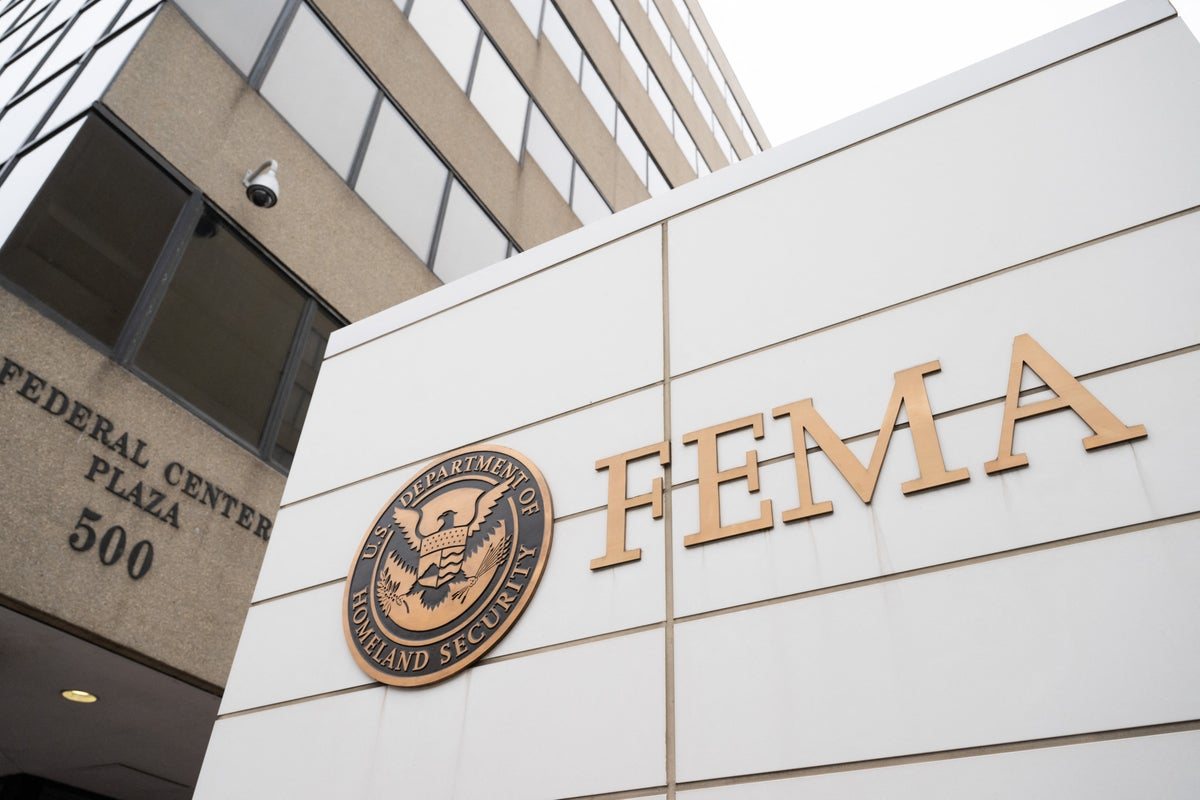
In a separate legal challenge, more than two dozen states have filed a lawsuit against the Trump administration over conditions attached to disaster aid funding. The lawsuit alleges that the administration is compelling states to alter their election systems and assist the Department of Homeland Security with immigration enforcement as a condition for receiving federal disaster relief. The case highlights ongoing tensions between state and federal authorities over the administration's policy priorities.
Meanwhile, data released this week shows that staff turnover in the Trump administration during its second term is more than double the rate seen in the first term, with fewer nominations being made to the Senate. The high turnover has raised questions about the administration's ability to implement its policy agenda effectively, as key positions remain unfilled or are held by acting officials.
The tariff announcement is likely to dominate headlines in the coming days, as trading partners assess the impact and consider their responses. The White House has indicated that it is open to negotiations but has set a high bar for any concessions, insisting that other countries must demonstrate meaningful progress on labour rights and trade practices before any relief is granted.
Critics argue that the tariffs are a blunt instrument that could harm the very workers they are intended to protect, by raising costs for businesses and consumers. Supporters, however, contend that the measures are a necessary tool to level the playing field and hold other nations accountable for their labour standards. The debate is expected to intensify as the November midterm elections approach, with trade policy emerging as a key issue for voters.