
Business 110
Dacia CEO Urges EU to Freeze Small Car Rules to Cut Prices
In this issue
Business 110
Dacia CEO Urges EU to Freeze Small Car Rules to Cut Prices
Culture 89
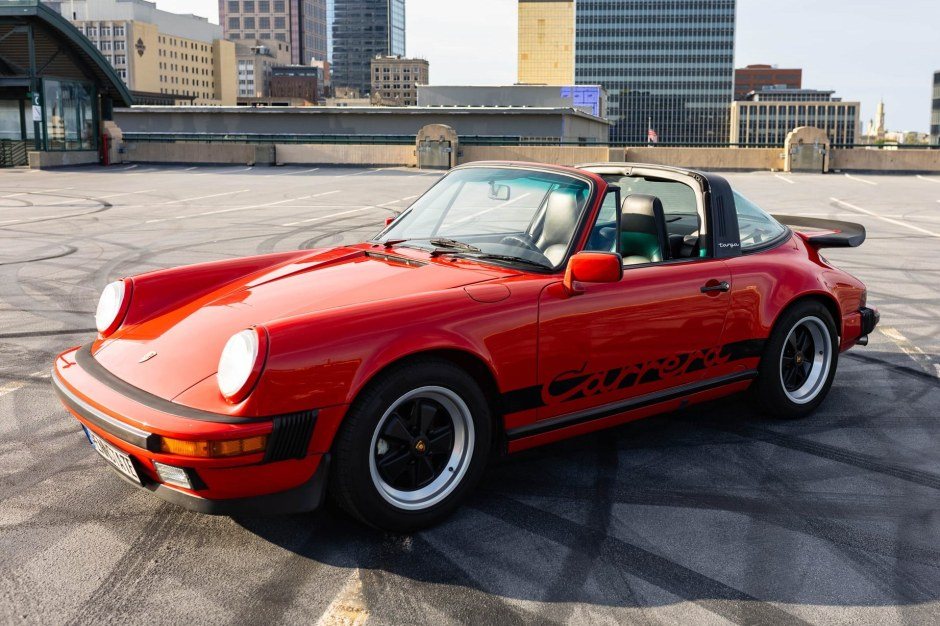
1988 Porsche 911 Carrera Targa G50 with Rebuilt Engine Heads to Auction
Economy 30
HMRC is writing to low earners about pension top-ups averaging about £70
News 123
Aftermarket Trackers Recover 99% of Stolen Cars as Factory Systems Fail
Politics 104
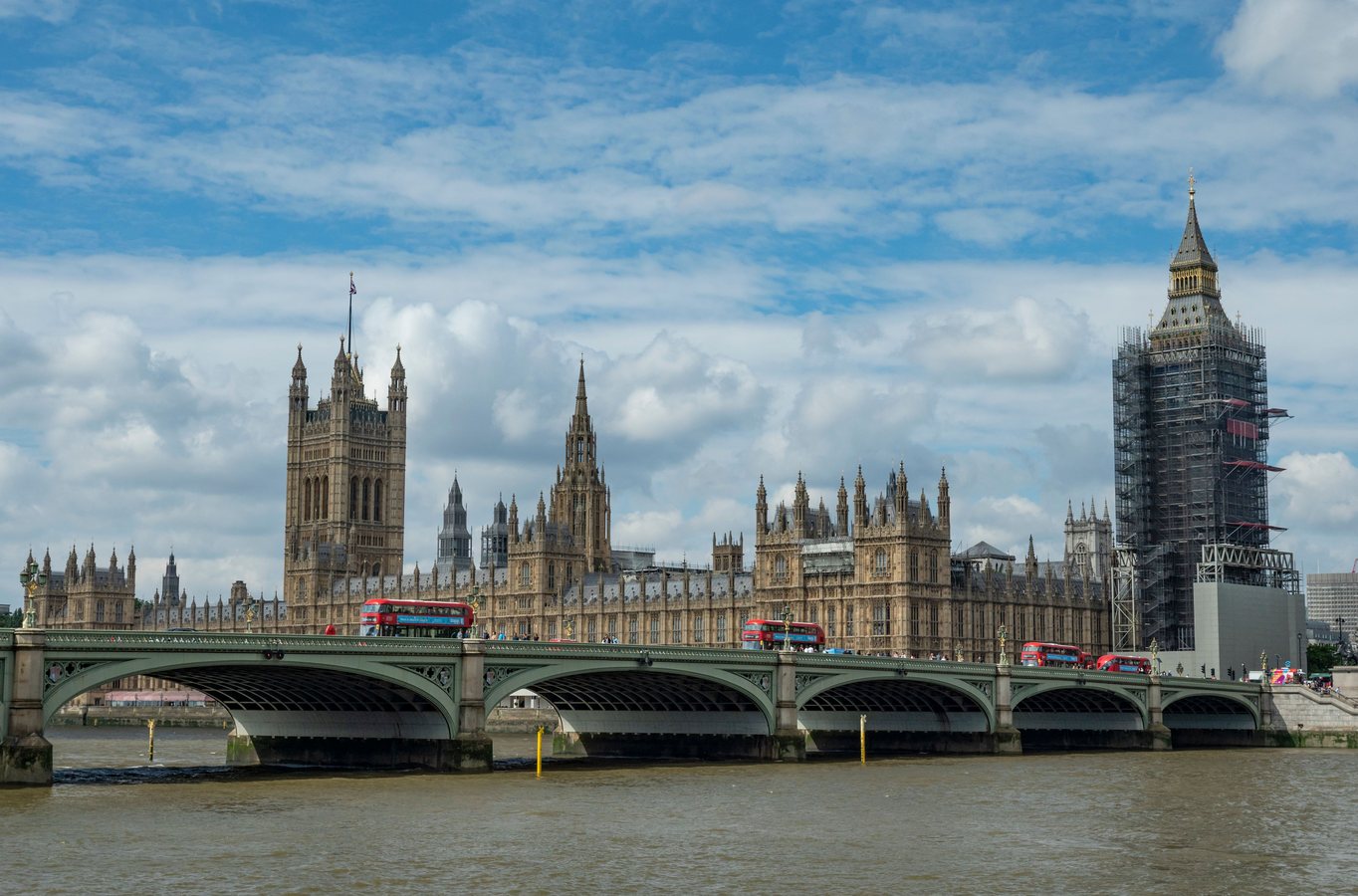
Met police open inquiry into alleged foreign donations to Reform UK
Sports 231
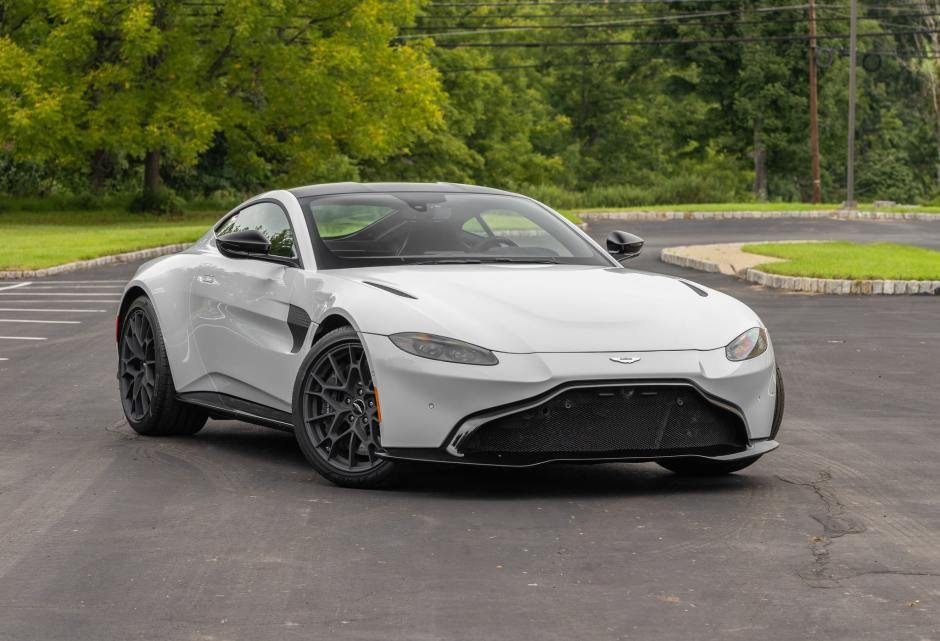
AMG GT Black Series Spied With Radical Aero Ahead of Nürburgring Record Attempt
Technology 116
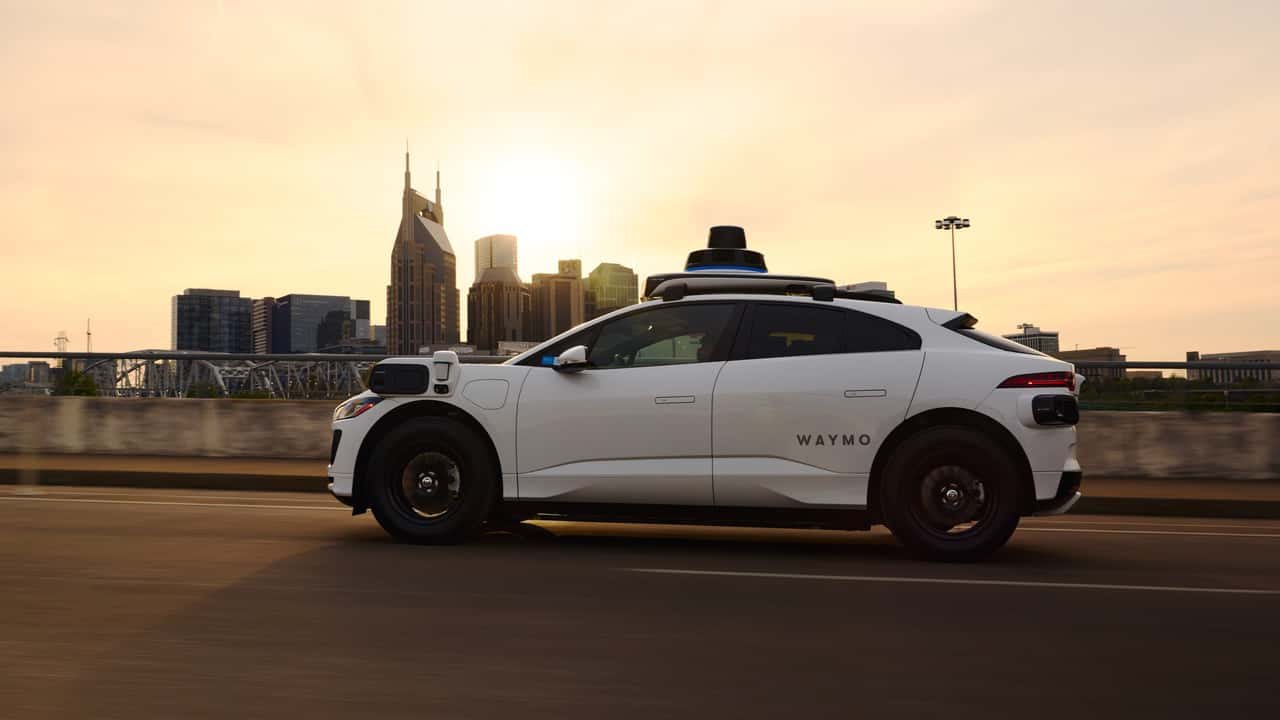
Waymo Expands Driverless Ride-Hailing to Las Vegas
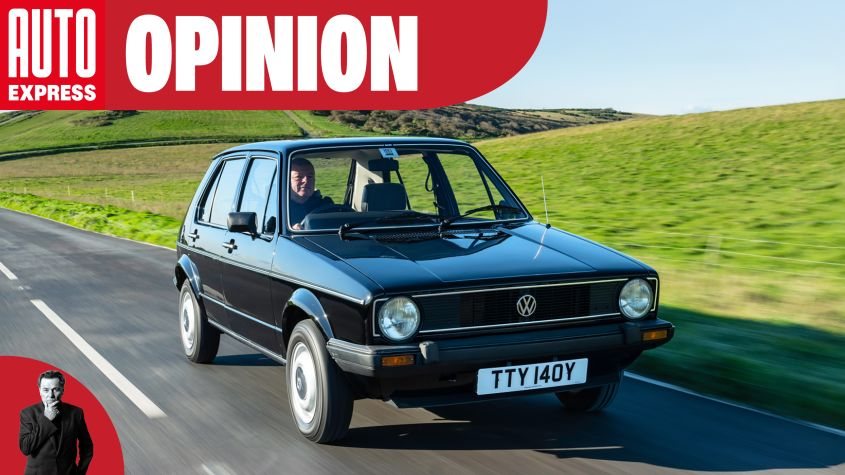
Millions of British motorists are relying on older vehicles as the cost of living rises, and motoring commentator Mike Rutherford argues that tougher emissions rules must not penalise them with additional taxes.
By Edward Beaumont · 4 min read
Millions of British drivers are being pushed into older cars by rising prices, and any tightening of emissions rules must take their circumstances into account rather than imposing further tax burdens. That is the warning from motoring commentator Mike Rutherford, who argues that the daily reality for a large share of the population is being overlooked in the push for cleaner vehicles.
Rutherford's intervention highlights a growing tension between environmental policy and household finances. As inflation and the broader cost-of-living squeeze erode disposable incomes, many motorists cannot afford to replace their existing vehicles with newer, lower-emission models. For these drivers, an older car is not a lifestyle choice but a necessity — and taxing them further would compound an already difficult situation.
The argument comes amid ongoing debate over how the UK should reduce transport emissions while keeping mobility affordable. Successive governments have signalled tougher emissions standards and explored road-pricing or tax changes aimed at discouraging high-polluting vehicles. But Rutherford contends that such measures risk penalising people who have no realistic alternative, particularly those in rural areas or on lower incomes where public transport is not a viable substitute.
Older cars are a significant part of the national fleet. Many are maintained carefully by owners who cannot afford to upgrade, and they often cover essential journeys — commuting, school runs, care responsibilities and shopping. Rutherford's point is that these drivers are not ignoring environmental concerns; they are constrained by economic reality. The tougher emissions rules, he suggests, must reflect that millions of Brits rely on older cars every day.
The motoring journalist's comments tap into a wider anxiety about affordability in Britain. With the price of new and used cars having risen sharply in recent years, the gap between what households can afford and what the market offers has widened. Electric vehicles, while cheaper to run, still carry higher upfront costs for many buyers, and charging infrastructure remains uneven across the country. For those on modest budgets, holding on to an older car is often the only practical option.
Rutherford's warning also raises questions about the fairness of blanket tax measures. If policy is designed to change behaviour, it must assume that drivers have a choice. For a large number of motorists, that assumption does not hold. Additional charges would therefore fall hardest on those least able to bear them, without necessarily delivering the emissions reductions intended.
The debate is likely to intensify as the UK pursues its net-zero targets and considers further reforms to vehicle taxation. Rutherford's contribution serves as a reminder that environmental ambition must be balanced against social and economic realities. Any new rules, he argues, should acknowledge the millions of drivers who depend on older cars and avoid making their daily lives even harder.
For now, the message is clear: as prices continue to rise, penalising older vehicles could deepen financial strain for ordinary households. Policymakers are being urged to consider the human cost of emissions rules before adding to the tax burden on Britain's motorists.