
Business 110
Dacia CEO Urges EU to Freeze Small Car Rules to Cut Prices
In this issue
Business 110
Dacia CEO Urges EU to Freeze Small Car Rules to Cut Prices
Culture 89
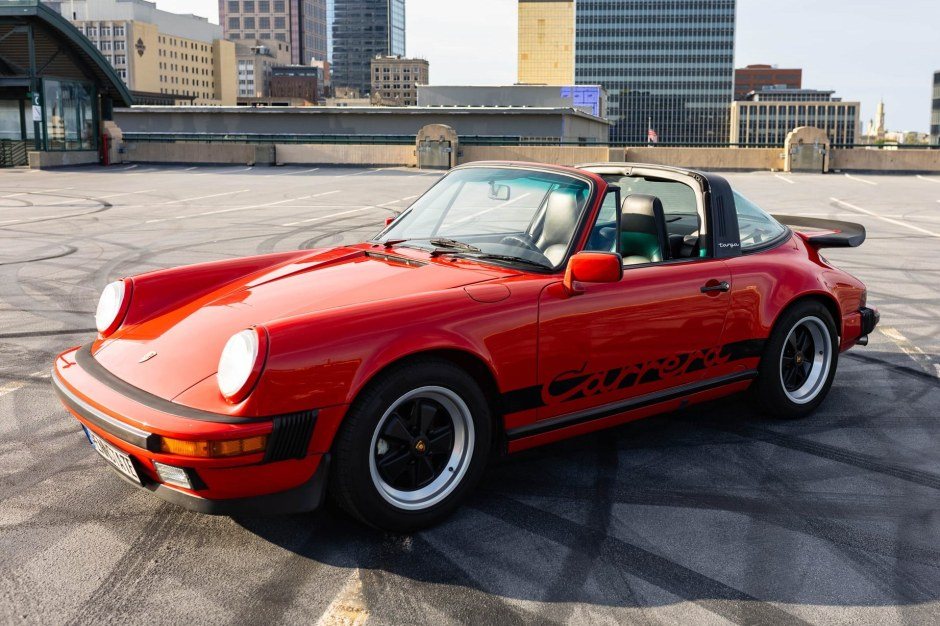
1988 Porsche 911 Carrera Targa G50 with Rebuilt Engine Heads to Auction
Economy 30
HMRC is writing to low earners about pension top-ups averaging about £70
News 123
Aftermarket Trackers Recover 99% of Stolen Cars as Factory Systems Fail
Politics 104
Met police open inquiry into alleged foreign donations to Reform UK
Sports 231
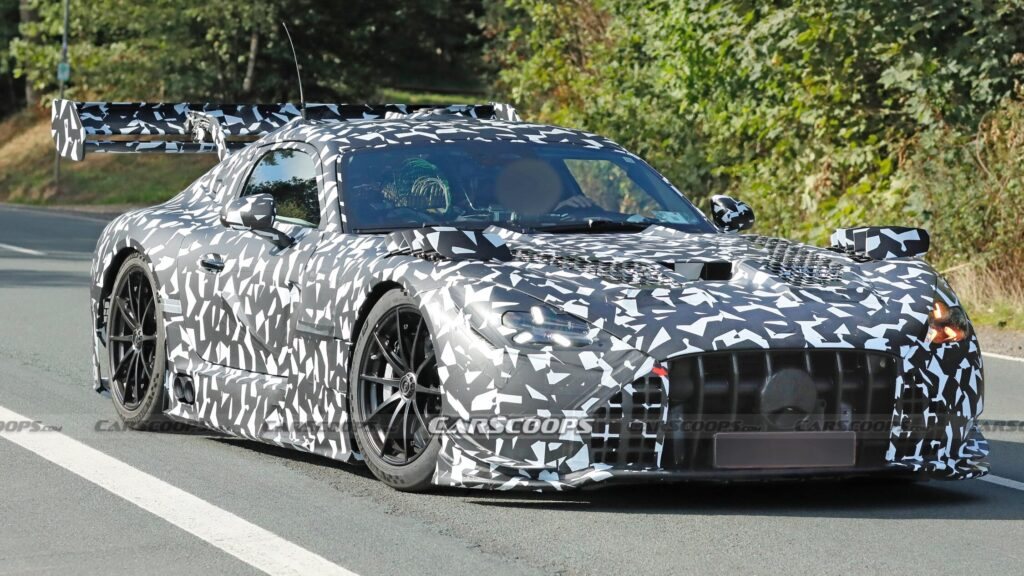
AMG GT Black Series Spied With Radical Aero Ahead of Nürburgring Record Attempt
Technology 117
BMW Confirms Next 3 Series Will Retain Plug-In Hybrid Power
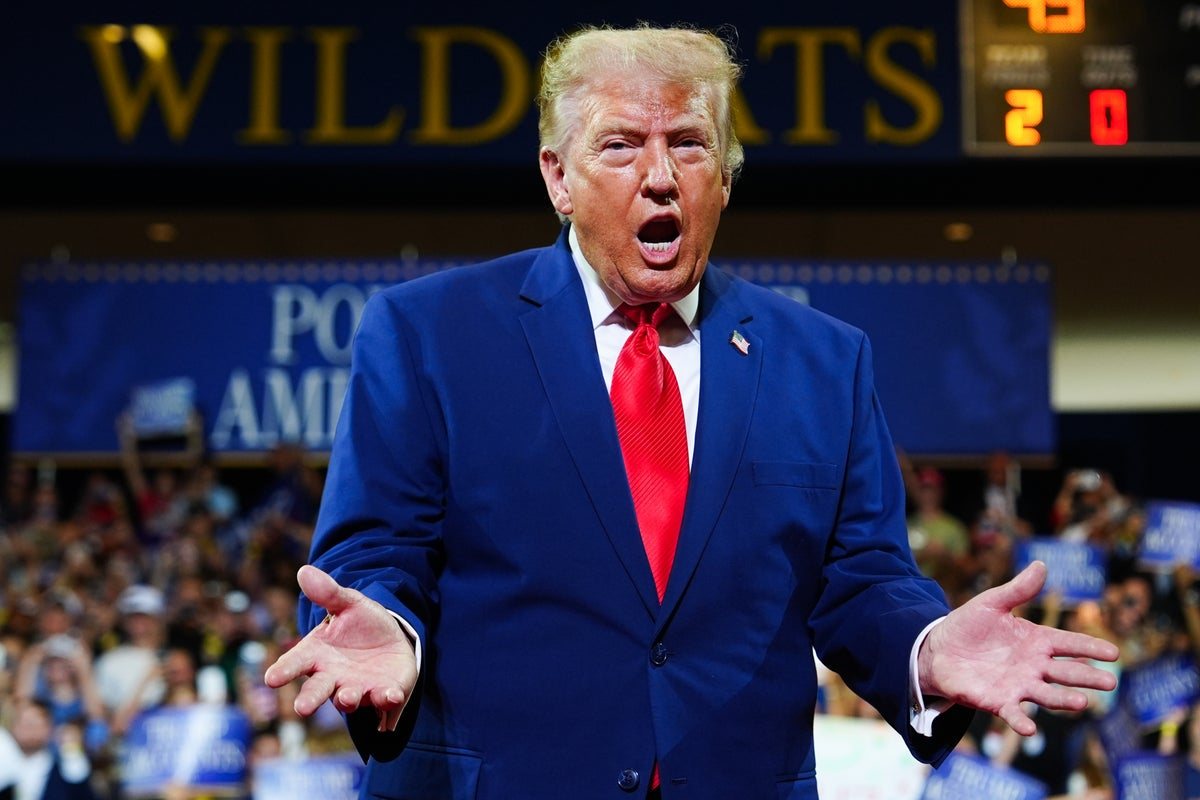
US President Donald Trump has said he is close to deciding whether to launch a massive attack against Iran, larger than any previous strikes, after Houthi rebels bombed two Saudi oil tankers in the Red Sea and oil prices rose above $100 a barrel.
By Eleanor Ellington · 5 min read
US President Donald Trump has said he is close to deciding whether to launch a massive attack against Iran, on a scale larger than any strikes already witnessed during the months-long conflict with Tehran. The warning came after Houthi rebels bombed two Saudi oil tankers in the Red Sea, pushing global oil prices above $100 a barrel again.
Speaking to the Axios news site, Trump said: “I am considering a massive attack. Bigger than ever before. I am close to making a decision. We are all set for it.” The president added that Iran “hasn’t received enough pain yet”, signalling a potential escalation in the ongoing confrontation between the United States and the Islamic Republic.
The threat follows a series of attacks by Iran-backed Houthi forces on commercial shipping in the Red Sea, a vital waterway for global oil and trade. The latest incident involved two Saudi-flagged oil tankers being struck by missiles or drones, causing damage but no reported casualties. The attacks have disrupted shipping routes and heightened tensions in the region.
Earlier on the same day, before Iran’s Revolutionary Guard announced it had stopped three oil tankers from passing through the Strait of Hormuz, Trump issued a direct warning on his Truth Social platform. He wrote: “From this point forward, any time the Islamic Republic of Iran shoots at a ship in the Strait of Hormuz, whether it be by Missile, Rocket, Drone, or any other device or weapon, the United States will bomb and destroy ONE BRIDGE OR POWER PLANT, including those located next to, or in, the Capital City of Tehran.”
The Strait of Hormuz is a narrow passage between the Persian Gulf and the Gulf of Oman, through which about a fifth of the world’s oil passes. Iran has previously threatened to block the strait in response to US sanctions or military action, and the Revolutionary Guard’s recent interception of tankers underscores the volatility of the situation.
The conflict between the US and Iran has escalated over the past several months, with Washington launching airstrikes against Iranian-linked targets in Iraq, Syria, and Yemen. Iran has responded by targeting US bases and allied shipping in the region. The Houthi rebels, who control large parts of Yemen and are backed by Tehran, have intensified their attacks on Saudi and Emirati vessels, as well as on Israeli-linked ships.
The economic impact has been significant. Oil prices have surged past $100 a barrel, adding to global inflationary pressures and raising concerns about energy security. The disruption to Red Sea shipping has forced some companies to reroute vessels around the Cape of Good Hope, increasing costs and delays.
International reactions have been mixed. Saudi Arabia, a key US ally and the world’s largest oil exporter, has condemned the Houthi attacks and called for a stronger international response. European nations have urged restraint, warning that a full-scale US-Iran war could destabilise the entire Middle East. Russia and China have criticised Washington’s aggressive posture and called for de-escalation.
Analysts say a massive US attack on Iran could have far-reaching consequences, including a potential Iranian retaliation against US allies in the Gulf, a closure of the Strait of Hormuz, and a spike in oil prices that could tip the global economy into recession. The US military has reportedly drawn up plans for strikes on Iranian nuclear facilities, military installations, and infrastructure, though Trump has not specified the targets.
The president’s comments come amid a broader debate within his administration about the best strategy to counter Iran. Some officials advocate for a diplomatic solution, including a renewed nuclear deal, while others favour a more aggressive military approach. Trump’s decision is expected in the coming days, according to sources familiar with the discussions.
The Houthi attacks on Saudi tankers have also drawn attention to the ongoing war in Yemen, where a Saudi-led coalition has been fighting the rebels since 2015. The conflict has created one of the world’s worst humanitarian crises, with millions facing famine and disease. The Houthis have repeatedly targeted Saudi oil infrastructure and shipping, using drones and missiles supplied by Iran.
As the situation develops, the world watches closely. The prospect of a massive US-Iran confrontation looms large, with potential implications for global security, energy markets, and regional stability. Trump’s decision, whether for war or restraint, will shape the Middle East for years to come.