
Business 110
Dacia CEO Urges EU to Freeze Small Car Rules to Cut Prices
In this issue
Business 110
Dacia CEO Urges EU to Freeze Small Car Rules to Cut Prices
Culture 89
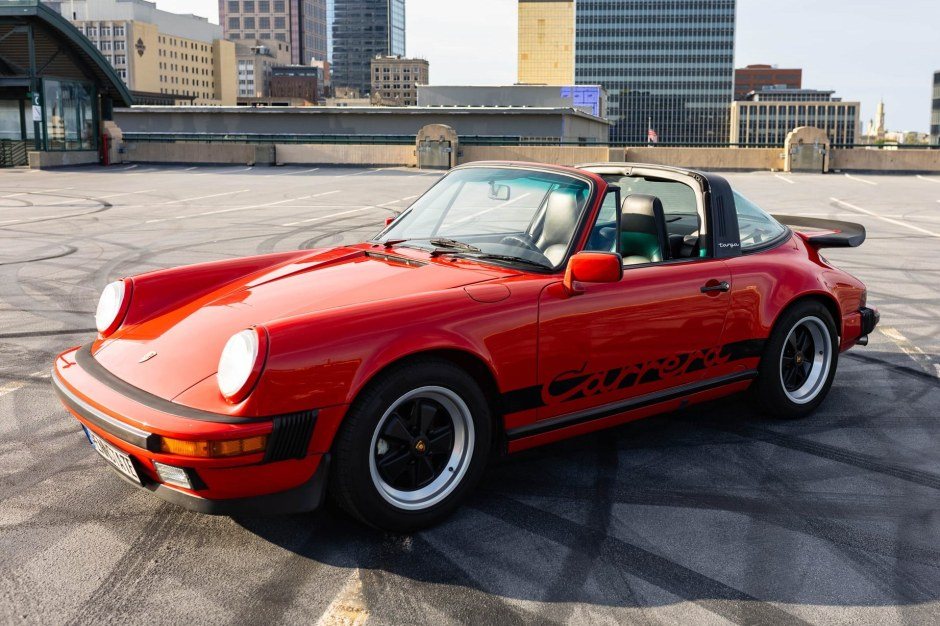
1988 Porsche 911 Carrera Targa G50 with Rebuilt Engine Heads to Auction
Economy 30
HMRC is writing to low earners about pension top-ups averaging about £70
News 124
Aftermarket Trackers Recover 99% of Stolen Cars as Factory Systems Fail
Politics 103
Met police open inquiry into alleged foreign donations to Reform UK
Sports 231
AMG GT Black Series Spied With Radical Aero Ahead of Nürburgring Record Attempt
Technology 117
BMW Confirms Next 3 Series Will Retain Plug-In Hybrid Power
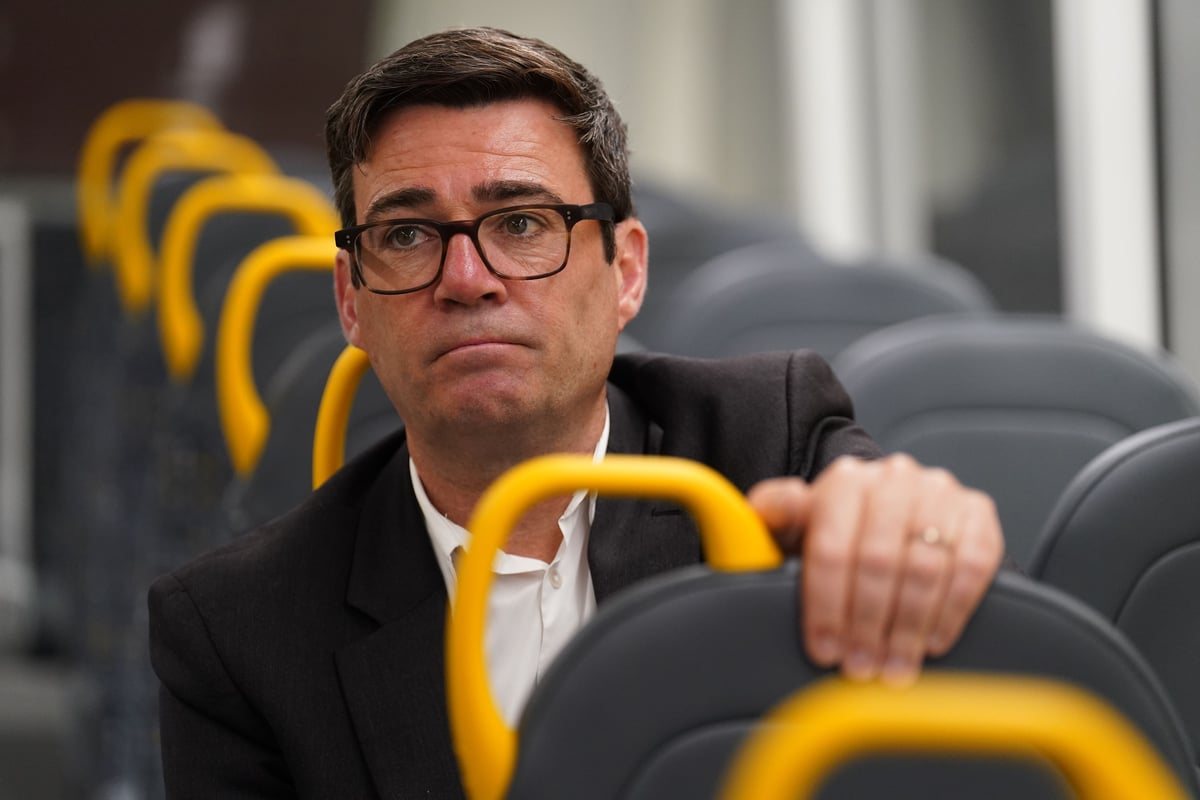
Prime Minister Andy Burnham has announced a £2 cap on single bus fares across England from January, a £500m measure to ease cost of living pressures, while also backing down on a planned increase to the personal tax-free allowance.
By Edward Beaumont · 4 min read
Prime Minister Andy Burnham has announced that single bus fares across England will be capped at £2 from January, in a move expected to cost more than £500 million. The nationwide cap, which replaces the current £3 limit set to run until March 2027, is part of a broader cost of living blitz in his first week in office. The measure also includes funding to allow devolved nations to implement similar caps.
The announcement marks a significant shift in transport policy, with Burnham having previously set a £2 cap on bus fares as Mayor of Greater Manchester. The new nationwide cap will bring down the cost of single tickets for millions of passengers, particularly in areas where fares have risen sharply in recent years. London, which already has its own lower fare structure, will not be directly affected by the change.
In a separate development, the Prime Minister has also backed down on a planned increase to the personal tax-free allowance, a policy that had been expected to raise additional revenue. The U-turn comes amid growing pressure from within the Labour Party and from opposition parties to prioritise relief for households struggling with rising costs. Burnham’s government has vowed to give people a «sense that help is coming» as it attempts to tackle the cost of living crisis.
The £2 bus fare cap is one of several measures being rolled out in Burnham’s first week as Prime Minister, following his election victory earlier this month. The policy is designed to make public transport more affordable and to encourage greater use of buses, which are seen as a key part of the government’s environmental and social agenda. The funding allocated for the cap will also be made available to Scotland, Wales, and Northern Ireland to introduce similar schemes if they choose to do so.
The announcement has been welcomed by transport campaigners and local authorities, who have long argued that high bus fares are a barrier to mobility and economic opportunity. However, some critics have questioned the long-term sustainability of the cap, given the significant cost to the public purse. The government has not yet confirmed how the measure will be funded beyond the initial allocation.
Burnham’s decision to reverse the planned increase to the personal tax-free allowance has also drawn mixed reactions. While some Labour MPs have praised the move as a necessary step to protect low and middle-income earners, others have expressed concern about the impact on public finances. The Prime Minister has defended the U-turn, arguing that the government must be responsive to the needs of the public and that the cost of living crisis requires immediate action.
The new bus fare cap is expected to come into effect on 1 January, with details of the implementation to be confirmed in the coming weeks. Transport operators have been asked to prepare for the change, which will apply to all single tickets on local bus services in England. The government has also indicated that it will review the cap after one year to assess its impact on passenger numbers and fare revenues.
Burnham’s first week in office has been marked by a series of policy announcements aimed at addressing the cost of living crisis, including measures on energy bills, housing, and childcare. The bus fare cap is seen as a flagship policy that could help to define his early premiership. With inflation showing signs of easing, the government is hoping that the combination of targeted support and economic stability will begin to ease the financial pressures on households across the country.