
Business 110
Dacia CEO Urges EU to Freeze Small Car Rules to Cut Prices
In this issue
Business 110
Dacia CEO Urges EU to Freeze Small Car Rules to Cut Prices
Culture 89
1988 Porsche 911 Carrera Targa G50 with Rebuilt Engine Heads to Auction
Economy 30
HMRC is writing to low earners about pension top-ups averaging about £70
News 124
Aftermarket Trackers Recover 99% of Stolen Cars as Factory Systems Fail
Politics 103
Met police open inquiry into alleged foreign donations to Reform UK
Sports 231
AMG GT Black Series Spied With Radical Aero Ahead of Nürburgring Record Attempt
Technology 117
BMW Confirms Next 3 Series Will Retain Plug-In Hybrid Power
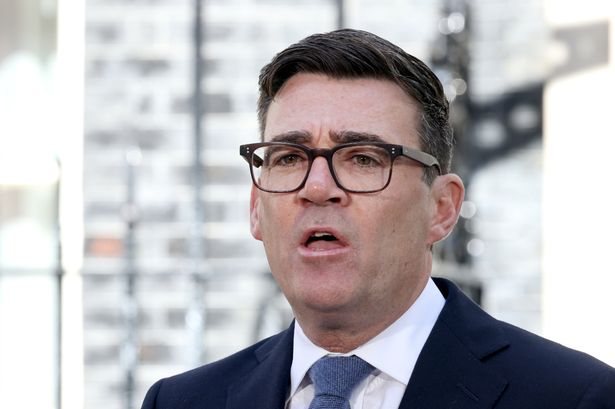
New Prime Minister Andy Burnham has unveiled a reshuffled Cabinet, appointing John Healey as Chancellor and bringing Angela Rayner back into government, as he pledges to deliver change and repair community damage from the Thatcher era.
By George Kensington · 6 min read
New Prime Minister Andy Burnham has announced sweeping changes to his Cabinet, appointing John Healey as Chancellor of the Exchequer and bringing Angela Rayner back into government in a major reshuffle. The moves mark the beginning of what Burnham described as «the most significant change moment in our politics for 40 years,» as he seeks to restore public trust and deliver tangible improvements to communities across Britain.
In his first address from Downing Street, Burnham acknowledged that many people are «fed up» with politics and pledged that his government would «do better» to bring about real change. He said his arrival in power would «bring back hope» to the country, with a particular focus on repairing the damage caused to communities during the Thatcher era. The new prime minister struck a cautious tone on the economy, promising a prudent approach while emphasising the need for bold reform.
The appointment of John Healey as Chancellor came as a surprise to many observers. Healey, a seasoned Labour figure with extensive experience in shadow cabinet roles, is seen as a safe pair of hands for the Treasury. His selection signals Burnham’s intent to prioritise economic stability and fiscal responsibility, even as he pursues an ambitious agenda of national renewal. Healey’s brief will include overseeing the government’s spending plans and navigating the challenges of inflation, public sector pay, and investment in infrastructure.
Angela Rayner’s return to the Cabinet is one of the most notable developments in the reshuffle. Rayner had resigned from her previous role ten months ago amid a tax scandal that damaged her political standing. Her comeback under Burnham is widely interpreted as an attempt to reunite the Labour Party’s different factions and bring experienced leadership back into the heart of government. Rayner is expected to take on a senior role focused on social justice, housing, and regional equality, areas where she has previously championed progressive policies.
Ed Miliband, the former Labour leader, has been appointed Foreign Secretary in what some commentators have described as a «consolation prize» after being passed over for the chancellorship. Miliband, who served as leader of the Labour Party from 2010 to 2015, brings considerable political weight to the Foreign Office. His appointment is seen as a move to harness his international experience and environmental credentials, particularly as the government seeks to strengthen Britain’s role on climate diplomacy and post-Brexit trade relations.
Other key appointments in Burnham’s Cabinet include Shabana Mahmood, who retains her position as Justice Secretary, and a number of other senior figures who have been moved to new portfolios. The reshuffle reflects Burnham’s desire to blend continuity with fresh energy, drawing on the talents of both veteran politicians and newer voices. The prime minister has stressed that his government will be judged on its ability to deliver practical improvements in people’s lives, from housing and healthcare to jobs and public services.
Burnham’s rise to the premiership follows the departure of Keir Starmer, who stepped down after a period of internal party tensions and declining public approval ratings. Burnham, the former Mayor of Greater Manchester, campaigned on a platform of devolution, community empowerment, and a break from the centralised governance of recent years. His Cabinet picks are widely seen as an attempt to balance the competing wings of the Labour Party while projecting an image of competence and unity.
The new government faces a challenging landscape, with the economy still recovering from the shocks of the pandemic and the cost-of-living crisis. Public services, particularly the National Health Service and local councils, are under severe strain. Burnham has promised to prioritise investment in these areas, but has also warned that difficult decisions lie ahead. His appointment of Healey as Chancellor is intended to reassure financial markets and the business community that the government will not embark on reckless spending.
Political analysts have noted that Burnham’s Cabinet represents a shift towards the centre-left of the Labour Party, with a strong emphasis on social justice and regional rebalancing. The inclusion of figures like Rayner and Miliband signals a desire to heal internal divisions and present a united front to the electorate. However, some critics have questioned whether the new team can deliver the scale of change that Burnham has promised, given the constraints of the public finances and the complexity of the challenges ahead.
In his Downing Street address, Burnham struck a personal note, speaking of his own background in the North of England and his commitment to ensuring that every part of the country shares in the benefits of growth. He acknowledged that trust in politics has been eroded and pledged to govern with transparency and integrity. The new prime minister’s early moves suggest a government that is determined to act quickly, but also one that is mindful of the need to build broad-based support for its agenda.