
Business 110
Dacia CEO Urges EU to Freeze Small Car Rules to Cut Prices
In this issue
Business 110
Dacia CEO Urges EU to Freeze Small Car Rules to Cut Prices
Culture 89
1988 Porsche 911 Carrera Targa G50 with Rebuilt Engine Heads to Auction
Economy 30
HMRC is writing to low earners about pension top-ups averaging about £70
News 124
Aftermarket Trackers Recover 99% of Stolen Cars as Factory Systems Fail
Politics 103
Met police open inquiry into alleged foreign donations to Reform UK
Sports 231
AMG GT Black Series Spied With Radical Aero Ahead of Nürburgring Record Attempt
Technology 117
BMW Confirms Next 3 Series Will Retain Plug-In Hybrid Power
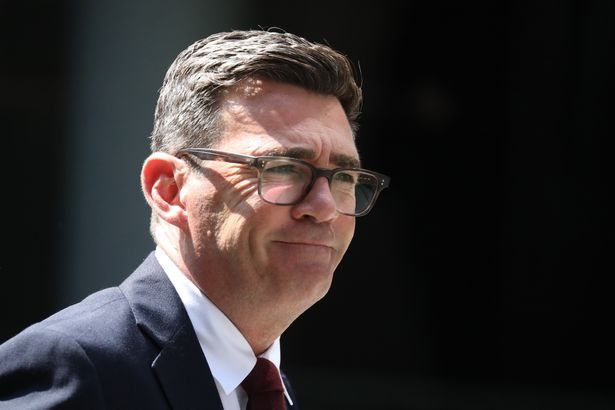
Andy Burnham has been confirmed as the new leader of the Labour Party and will become Prime Minister, succeeding Sir Keir Starmer after securing overwhelming support from the party.
By Edward Beaumont · 5 min read
Andy Burnham has been confirmed as the new leader of the Labour Party and will enter Downing Street as Prime Minister, succeeding Sir Keir Starmer after securing overwhelming backing from his party. The former Greater Manchester mayor and current Makerfield MP made the pledge to be «unashamedly Labour» as he takes the helm of the government at a time of significant political transition.
Burnham's elevation to the top job follows a special party conference where his leadership was formally ratified. The removal van was already spotted outside Number 10 Downing Street, signalling the imminent departure of Starmer and the arrival of the new premier. Burnham is expected to enter No 10 on Monday, marking the start of his premiership.
In his first statement as leader, Burnham struck a distinctly Labour tone, vowing to govern with the party's core values at the forefront. He emphasised a commitment to public services, regional equality, and social justice, themes that defined his tenure as mayor of Greater Manchester. His speech was seen as an attempt to rally the party and the country behind a clear progressive agenda after years of internal divisions and electoral challenges.
The transition of power comes after Starmer's resignation, which followed a period of declining public approval and internal party discontent. Starmer's tenure was marked by efforts to stabilise the party after the Corbyn era, but he faced persistent criticism over policy direction and electoral strategy. Burnham, a seasoned politician with a strong grassroots following, is seen as a unifying figure who can bridge the party's factions.
Burnham's political career spans decades, including service as a cabinet minister under Gordon Brown and as the elected mayor of Greater Manchester since 2017. His record in regional government, particularly on transport, housing, and health, has earned him cross-party respect. As Prime Minister, he is expected to prioritise devolution, investment in the North of England, and a more assertive role for the state in economic management.
The handover has been carefully choreographed to ensure continuity of government. Starmer is expected to leave Downing Street with a low-key farewell, while Burnham's team has already begun planning the first 100 days of the new administration. Key cabinet appointments are anticipated in the coming days, with speculation that senior figures from the Burnham camp and the broader Labour movement will feature prominently.
Political analysts note that Burnham faces immediate challenges, including a strained public finances, ongoing industrial unrest, and the need to rebuild trust in politics after years of scandal and instability. His pledge to be «unashamedly Labour» suggests a shift away from the centrist positioning of the Starmer years, though the precise policy direction remains to be seen. The new Prime Minister will also have to navigate a complex international landscape, including the war in Ukraine, tensions with the European Union, and the aftermath of Brexit.
Reaction from across the political spectrum has been mixed. Labour MPs have largely welcomed Burnham's leadership, praising his authenticity and connection with voters. Conservative opponents have warned that his agenda will lead to higher taxes and more state intervention, while Liberal Democrats have called for a focus on electoral reform and civil liberties. The public response has been cautiously optimistic, with opinion polls showing a modest bounce for Labour since the leadership change was announced.
Burnham's first major test will come with the budget and the King's Speech, which will set out the legislative programme for the new government. He has signalled an early focus on health and social care, education, and climate action, though detailed plans are yet to be published. The coming weeks will reveal whether the new leader can translate his regional success into national governance.