
Business 110
Dacia CEO Urges EU to Freeze Small Car Rules to Cut Prices
In this issue
Business 110
Dacia CEO Urges EU to Freeze Small Car Rules to Cut Prices
Culture 89
1988 Porsche 911 Carrera Targa G50 with Rebuilt Engine Heads to Auction
Economy 30
HMRC is writing to low earners about pension top-ups averaging about £70
News 124
Aftermarket Trackers Recover 99% of Stolen Cars as Factory Systems Fail
Politics 103
Met police open inquiry into alleged foreign donations to Reform UK
Sports 231
AMG GT Black Series Spied With Radical Aero Ahead of Nürburgring Record Attempt
Technology 117
BMW Confirms Next 3 Series Will Retain Plug-In Hybrid Power
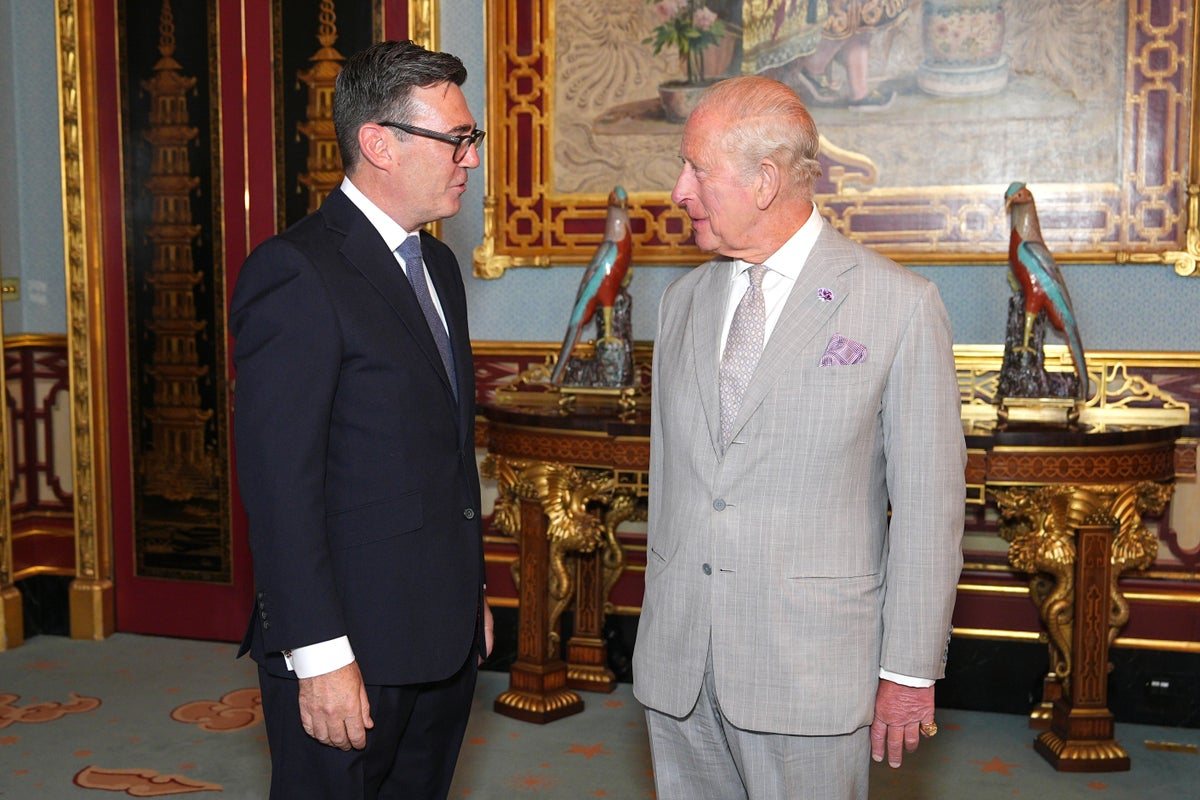
Andy Burnham has been appointed UK prime minister following a meeting with King Charles at Buckingham Palace, and is set to deliver his first speech outside Downing Street, vowing to 'bring back hope'.
By Eleanor Ellington · 4 min read
Andy Burnham has become the new prime minister of the United Kingdom after a formal meeting with King Charles at Buckingham Palace on Monday. The Greater Manchester mayor, who led a successful campaign for the Labour leadership, is now set to address the nation from outside 10 Downing Street in what will be his first major speech as head of government.
The appointment marks a significant shift in British politics, as Burnham takes over from the previous administration amid widespread public demand for change. In a brief statement following the palace meeting, Buckingham Palace confirmed that the King had received Mr Burnham and appointed him as prime minister, a constitutional step that formally transfers executive power.
Burnham's rise to the highest office comes after years of political service, including his tenure as mayor of Greater Manchester, where he gained national recognition for his handling of regional transport, housing, and public health issues. His victory in the Labour leadership contest earlier this year set the stage for a general election campaign that ultimately brought his party back to power after more than a decade in opposition.
The new prime minister is expected to use his Downing Street speech to outline his vision for the country, with early indications pointing to a focus on restoring public trust in government, addressing the cost-of-living crisis, and investing in public services. Sources close to Burnham have suggested he will strike a tone of unity and renewal, telling the nation that his government will 'bring back hope' after years of political turbulence and economic strain.
Key cabinet appointments are anticipated later on Monday, with several senior Labour figures tipped for top roles. The appointments will be closely watched as an early signal of the new government's priorities and governing style. Burnham has previously emphasised the need for a cabinet that reflects the diversity of modern Britain and brings together experienced lawmakers alongside fresh talent.
The transition of power proceeded smoothly, with the outgoing prime minister tendering his resignation to the King earlier in the day. Burnham's audience with the monarch lasted approximately 30 minutes, after which he travelled to Downing Street to begin forming his government. The ceremony outside Number 10, a traditional moment for a new prime minister to address the public, is expected to draw large crowds and extensive media coverage.
Political analysts have noted that Burnham faces a challenging agenda, including stabilising the economy, reforming the National Health Service, and addressing regional inequalities across the UK. His experience as a metro mayor, they argue, gives him a practical understanding of local governance that could prove valuable in delivering on promises of devolution and community empowerment.
Reactions from political opponents have been measured, with Conservative and Liberal Democrat leaders offering cautious congratulations while vowing to hold the new government accountable. Business groups have called for clarity on tax and trade policy, while trade unions have urged swift action on workers' rights and public sector pay.
As the new prime minister prepares to take up residence in Downing Street, the country watches for the first concrete steps of his administration. The coming days will see the full cabinet announced, the first parliamentary sessions under the new government, and the setting of a legislative agenda that will define Burnham's early premiership.