
Business 110
Dacia CEO Urges EU to Freeze Small Car Rules to Cut Prices
In this issue
Business 110
Dacia CEO Urges EU to Freeze Small Car Rules to Cut Prices
Culture 89
1988 Porsche 911 Carrera Targa G50 with Rebuilt Engine Heads to Auction
Economy 30
HMRC is writing to low earners about pension top-ups averaging about £70
News 124
Aftermarket Trackers Recover 99% of Stolen Cars as Factory Systems Fail
Politics 103
Met police open inquiry into alleged foreign donations to Reform UK
Sports 231
AMG GT Black Series Spied With Radical Aero Ahead of Nürburgring Record Attempt
Technology 116
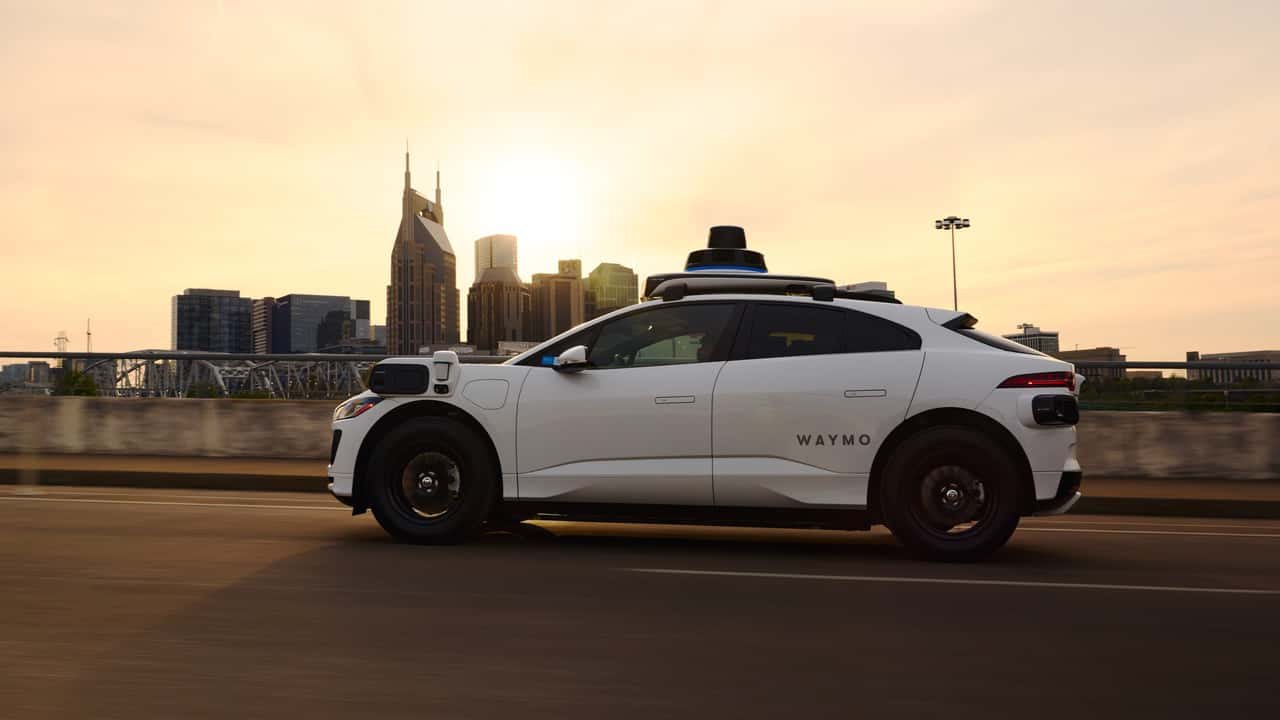
Waymo Expands Driverless Ride-Hailing to Las Vegas
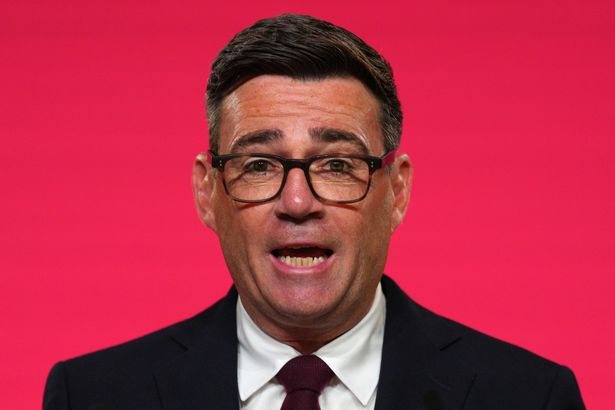
Andy Burnham has succeeded Keir Starmer as UK prime minister, vowing to deliver a 10-year plan for national renewal and scrapping digital ID plans to focus on the cost of living.
By Charlotte Redford · 6 min read
Andy Burnham has become the new prime minister of the United Kingdom, replacing Keir Starmer after a swift Labour leadership transition that saw the party replace an unpopular leader with one of the country's most admired politicians. Burnham, the former Greater Manchester mayor and MP for Makerfield, is expected to deliver his first speech outside Downing Street later today, outlining what he has called a «10-year plan for the country».
The change of leadership marks the sixth time in just over a decade that Britain has seen a new prime minister take office, a period of political turbulence that has included Theresa May, Boris Johnson, Liz Truss, Rishi Sunak, and now Starmer's brief tenure. Burnham's appointment follows a period of intense speculation about Starmer's future, with polling consistently showing that Labour would benefit from a change at the top.
Burnham's first major policy move is expected to be the scrapping of Starmer's plans for digital ID cards, a scheme that had been criticised as costly and intrusive. The new prime minister intends to redirect resources from that project towards tackling the cost-of-living crisis, which has been a central concern for voters across the country. His team has indicated that the shift in priorities is part of a broader reset of the government's agenda.
In his first address as prime minister, Burnham is expected to acknowledge the scale of the challenges facing the country, including structural weaknesses in the economy and public services. He has previously said that the UK is «not in the right place structurally» and that people can feel the country is not functioning as it should. His 10-year plan is intended to address these long-term issues, though he has conceded that his premiership may not last a full decade.
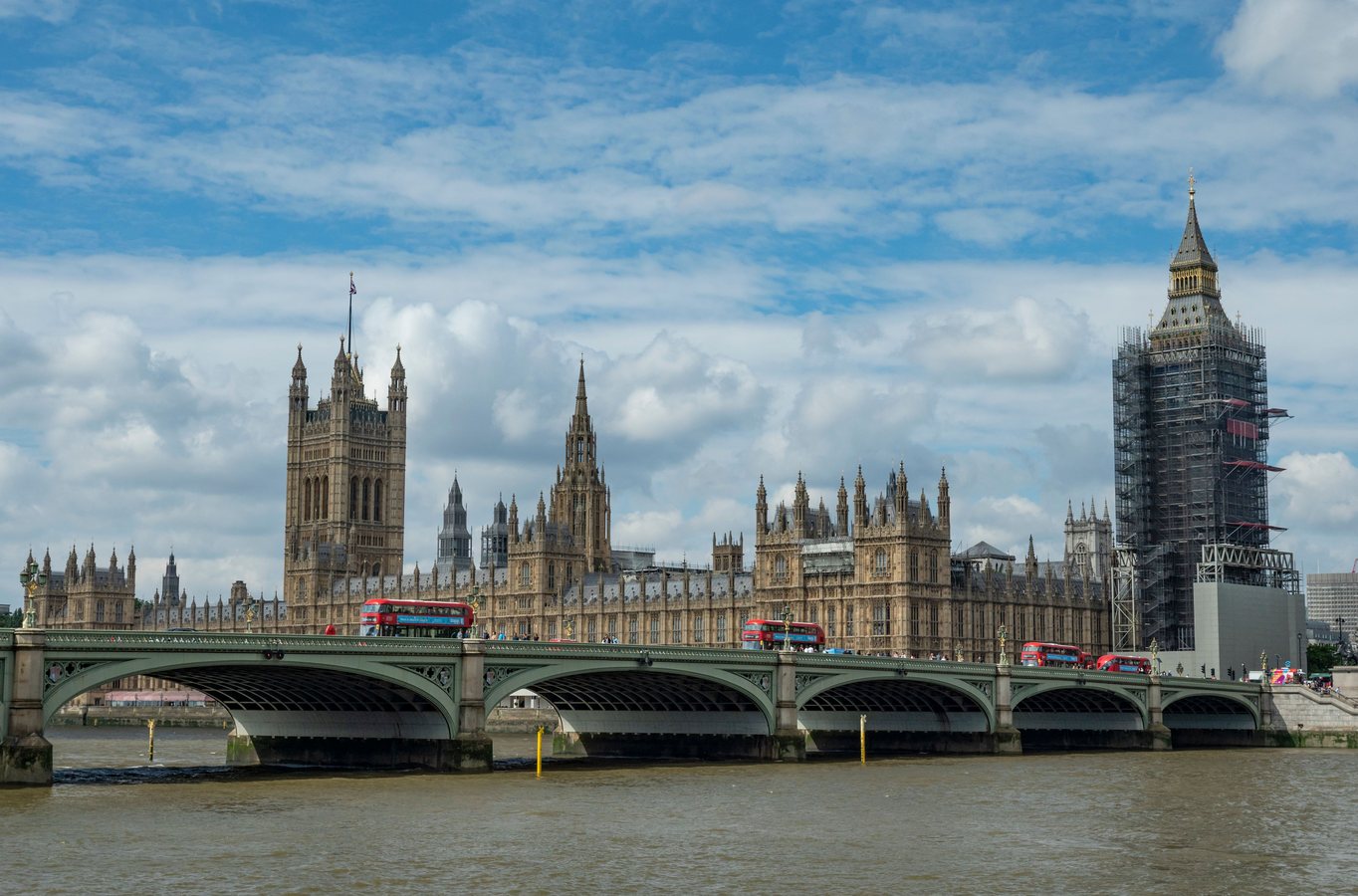
The transition of power began this morning when Starmer visited King Charles to formally resign as prime minister. Burnham then met the monarch to be appointed and will now deliver his first speech from the steps of Downing Street. Later today, he is expected to name his cabinet, a process that will be closely watched for signs of continuity or change from the Starmer era.
Burnham's rise to the top of British politics has been unusual. Unlike many of his predecessors, he was not the automatic choice of the parliamentary party but rather a figure who had built a strong personal following outside Westminster, particularly during his time as mayor of Greater Manchester. His popularity with the public, combined with his ability to unite the Labour Party, made him the logical choice for a party desperate to improve its electoral prospects.
Political analysts have noted that Burnham's appointment represents a rare instance of a governing party choosing a leader who is both popular with the public and broadly acceptable to its own activists. In the past, parties have often opted for leaders who were either liked by MPs but less popular with voters, or vice versa. Burnham, at least for now, enjoys support across the Labour spectrum.
The new prime minister's immediate priorities will include addressing the cost-of-living crisis, reforming public services, and restoring trust in government after years of instability. His decision to scrap the digital ID scheme is seen as a signal that he intends to focus on practical measures that directly affect people's finances and daily lives, rather than pursuing controversial technological projects.
Burnham has also indicated that he wants to change the way politics is conducted, moving away from short-term fixes and towards a longer-term vision for the country. His 10-year plan is expected to cover areas such as housing, healthcare, education, and economic growth, though detailed proposals have yet to be published.
The new prime minister faces a challenging political landscape. The UK economy is under pressure from high inflation, sluggish growth, and a tight fiscal situation. Public services, particularly the National Health Service, are struggling with demand and funding constraints. And the political system itself has been shaken by years of Brexit turmoil, party scandals, and frequent changes of leadership.
Burnham's experience as mayor of Greater Manchester, where he oversaw transport, housing, and economic development, is expected to inform his approach to governing. He has often emphasised the importance of devolution and local decision-making, and his time in Manchester gave him a reputation as a pragmatic and effective administrator.
As he begins his premiership, Burnham will be hoping that his popularity and his message of long-term renewal can restore stability to British politics. But the challenges are immense, and the history of recent prime ministers suggests that the job is as unforgiving as it is powerful.