
Business 110
Dacia CEO Urges EU to Freeze Small Car Rules to Cut Prices
In this issue
Business 110
Dacia CEO Urges EU to Freeze Small Car Rules to Cut Prices
Culture 89
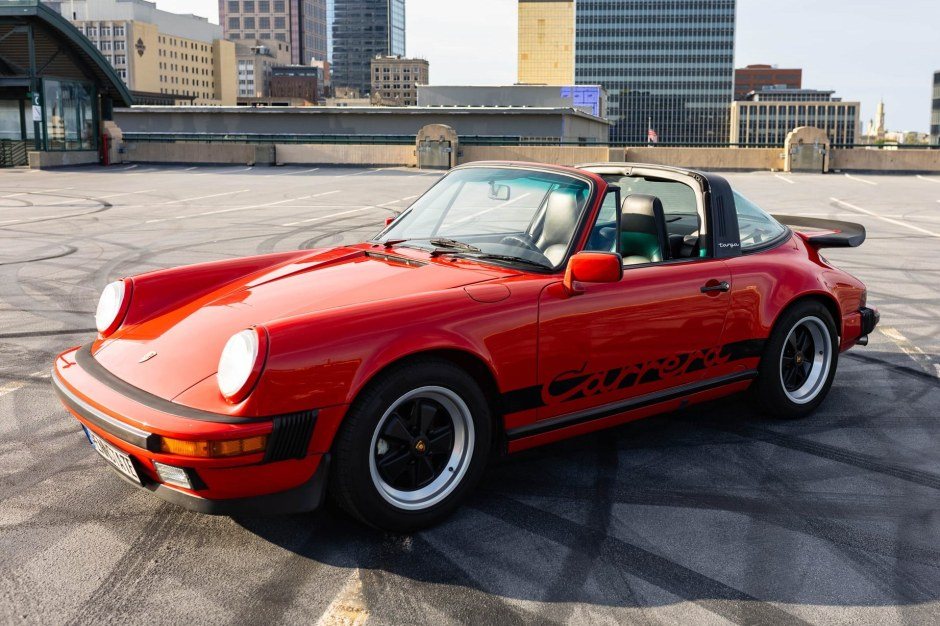
1988 Porsche 911 Carrera Targa G50 with Rebuilt Engine Heads to Auction
Economy 30
HMRC is writing to low earners about pension top-ups averaging about £70
News 124
Aftermarket Trackers Recover 99% of Stolen Cars as Factory Systems Fail
Politics 103
Met police open inquiry into alleged foreign donations to Reform UK
Sports 231
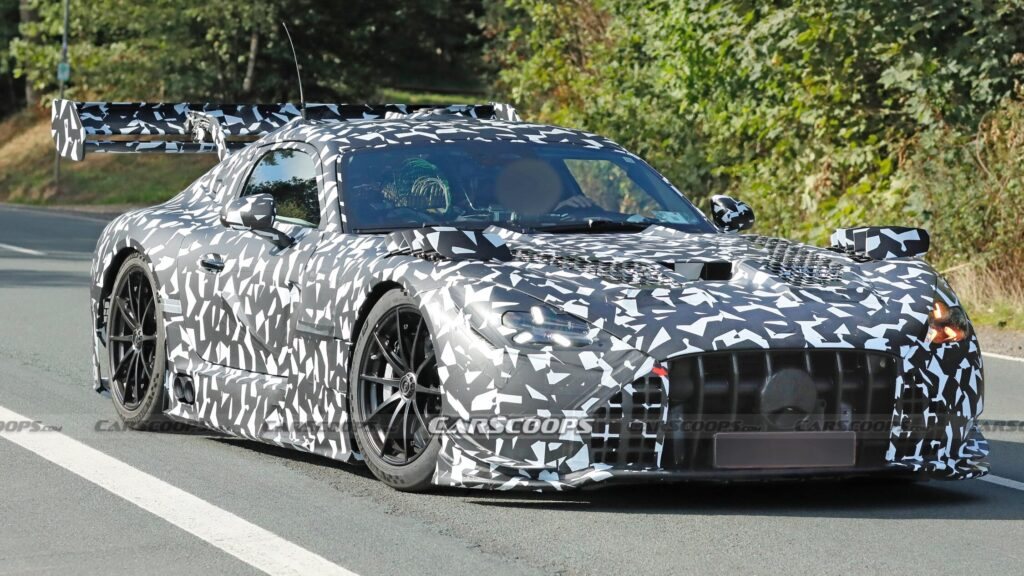
AMG GT Black Series Spied With Radical Aero Ahead of Nürburgring Record Attempt
Technology 117
BMW Confirms Next 3 Series Will Retain Plug-In Hybrid Power
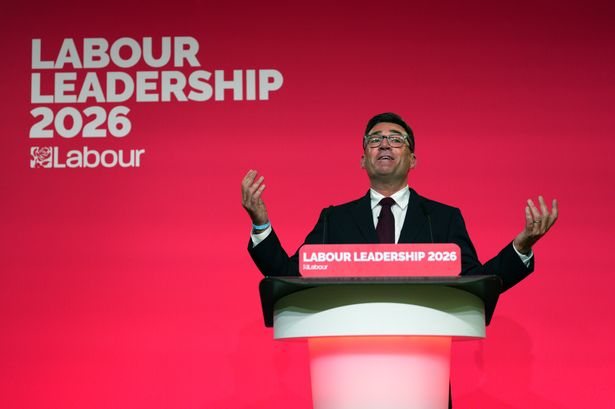
Andy Burnham has been elected leader of the Labour Party, succeeding Sir Keir Starmer, and promises to give people 'hope back' as he prepares to become prime minister.
By Eleanor Ellington · 5 min read
Andy Burnham has been elected the new leader of the Labour Party, vowing to give people «hope back» as he prepares to take over from Sir Keir Starmer as prime minister. The Makerfield MP and former Greater Manchester mayor secured overwhelming backing from his party at a special Labour conference, marking a decisive shift in the country’s political direction.
In his first address after the result was announced, Burnham declared: «I am ready to lead.» He promised to restore faith in politics and deliver a government that prioritises the needs of working people. «We will give people hope back,» he said, striking a tone of renewal after years of internal party divisions and national challenges.
The leadership contest came after Starmer’s resignation, which followed a period of declining public approval and internal criticism over the government’s handling of key issues. Burnham, a seasoned politician who previously served as Shadow Health Secretary and campaigned strongly on regional equality, positioned himself as a unifying figure capable of bridging the gap between the party’s traditional base and broader electorate.
Burnham’s victory was confirmed at a special Labour conference, where delegates voted overwhelmingly in his favour. He will become prime minister within days, succeeding Starmer, who will step down next week. The transition is expected to be smooth, with Burnham already outlining his early priorities, including strengthening the National Health Service, addressing the cost-of-living crisis, and investing in regional infrastructure.
Born in Liverpool and raised in the North West, Burnham has long been a prominent figure in Labour politics. He served as Greater Manchester’s first directly elected mayor from 2017, a role that raised his national profile and allowed him to champion devolution and public transport improvements. His mayoral record, including the introduction of the city-region’s bus franchising system, has been praised by supporters as evidence of his ability to deliver tangible change.
Political analysts note that Burnham’s leadership comes at a critical moment for the Labour Party, which has struggled to maintain unity and electoral momentum. His emphasis on hope and renewal is seen as an attempt to move beyond the factional battles that have plagued the party in recent years. «He represents a return to a more pragmatic, centre-left approach,» said one commentator. «His challenge will be to translate that into a lasting mandate.»
Reactions from across the political spectrum have been mixed. Labour MPs have largely welcomed the result, with many expressing confidence in Burnham’s ability to connect with voters outside London and the South East. Conservative figures, however, have been quick to criticise, arguing that Burnham’s record as mayor does not prepare him for the complexities of national government. The Liberal Democrats have called for a fresh general election, claiming that a change in Labour leader without a public vote is undemocratic.
Burnham’s immediate agenda includes a series of policy announcements expected in the coming weeks. He has signalled his intention to prioritise healthcare funding, social care reform, and housing affordability. On the international stage, he is likely to maintain the UK’s support for Ukraine and continue efforts to strengthen ties with European partners, though his exact foreign policy stance remains to be fully detailed.
The transition of power will take place next week, when Starmer formally tenders his resignation to the monarch. Burnham will then be invited to form a government, becoming the first Labour prime minister from the North West since Harold Wilson. His cabinet appointments are expected to reflect a blend of experienced frontbenchers and fresh faces, with an emphasis on regional representation.
As Burnham prepares to take office, the country faces significant challenges, including an overstretched health service, rising energy bills, and ongoing industrial unrest. His promise to give people «hope back» will be tested against the realities of governing in a divided political landscape. For now, however, the Labour Party and its new leader are basking in a moment of unity and optimism, with Burnham declaring that «the best days of our country lie ahead.»