
Business 110
Dacia CEO Urges EU to Freeze Small Car Rules to Cut Prices
In this issue
Business 110
Dacia CEO Urges EU to Freeze Small Car Rules to Cut Prices
Culture 89
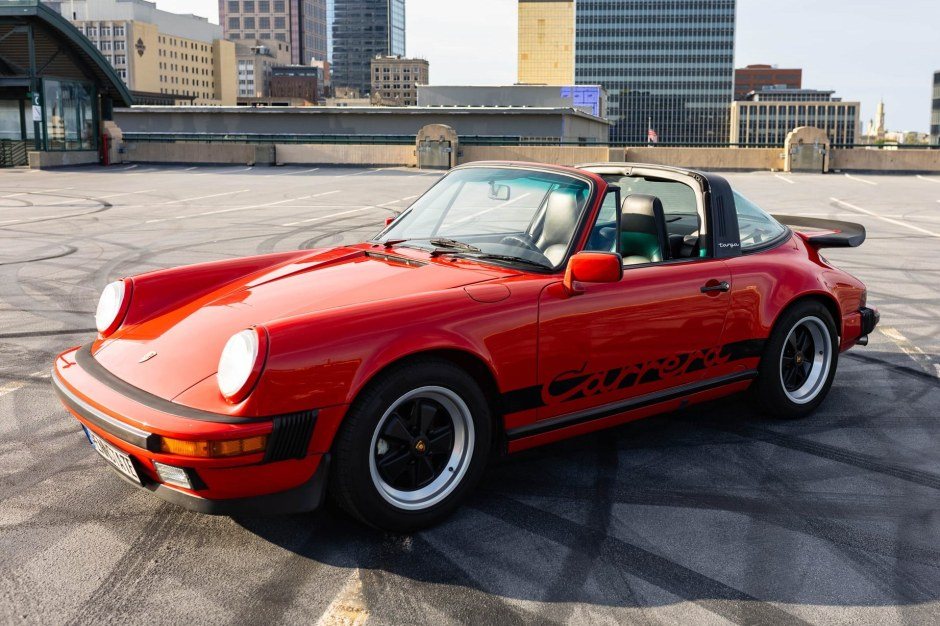
1988 Porsche 911 Carrera Targa G50 with Rebuilt Engine Heads to Auction
Economy 30
HMRC is writing to low earners about pension top-ups averaging about £70
News 124
Aftermarket Trackers Recover 99% of Stolen Cars as Factory Systems Fail
Politics 103
Met police open inquiry into alleged foreign donations to Reform UK
Sports 231
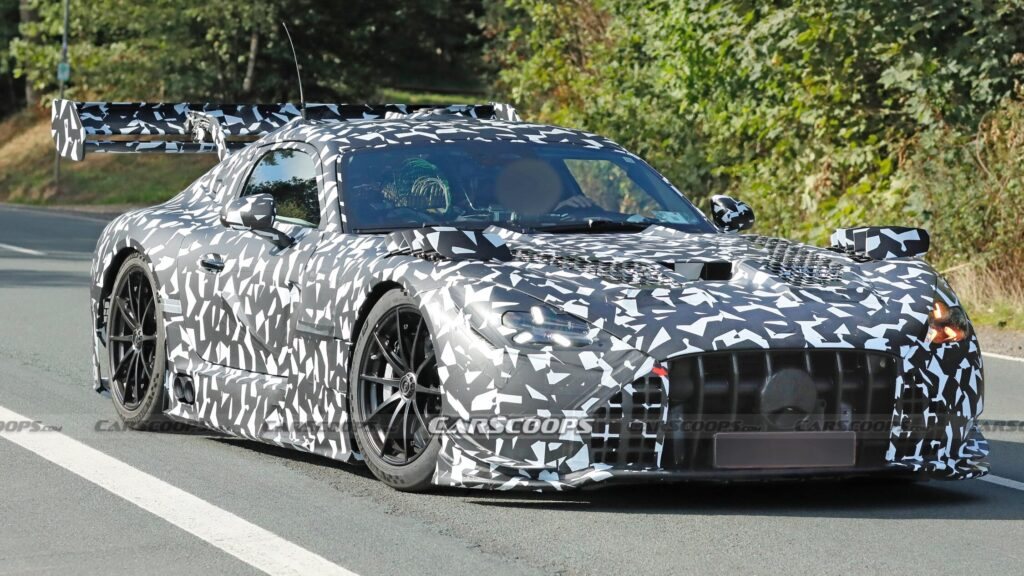
AMG GT Black Series Spied With Radical Aero Ahead of Nürburgring Record Attempt
Technology 117
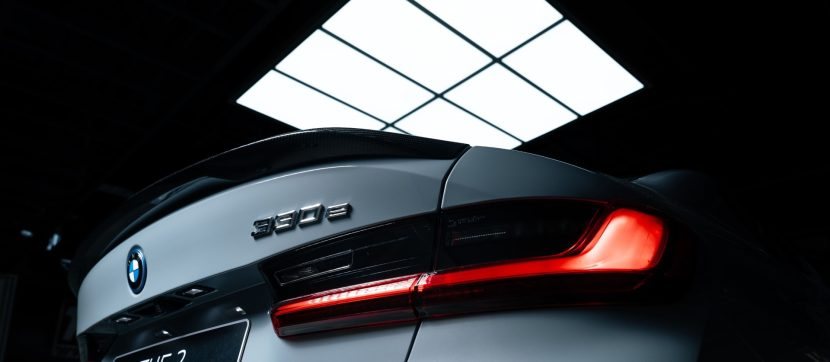
BMW Confirms Next 3 Series Will Retain Plug-In Hybrid Power
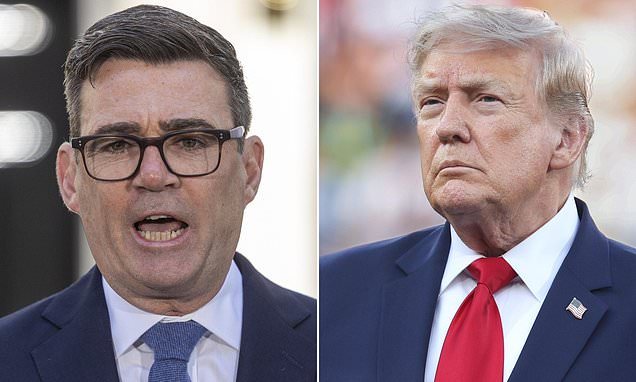
New UK Prime Minister Andy Burnham has invited US President Donald Trump to Manchester during their first phone call, despite previously suggesting he would ban Trump from the city.
By Edward Beaumont · 6 min read
New UK Prime Minister Andy Burnham has extended an invitation to US President Donald Trump to visit Manchester during their first telephone conversation since Mr Burnham took office, a move that marks a significant shift from his previous stance on the American leader.
The phone call, which took place shortly after Mr Burnham became Prime Minister, reportedly included an invitation for Mr Trump to attend a potential G20 summit in Manchester. The development comes despite Mr Burnham having previously described Mr Trump as «deeply troubling» and suggested he would be banned from the city.
According to sources familiar with the conversation, the call was described as «awkward» by some observers, given the history between the two leaders. Mr Trump had previously referred to Mr Burnham as «the mayor of a town» in a dismissive comment, while Mr Burnham had been vocal in his criticism of the US President's policies and rhetoric.
The invitation represents a notable diplomatic pivot for Mr Burnham, who as Mayor of Greater Manchester had positioned himself as a vocal critic of Mr Trump. During Mr Trump's previous visits to the UK, Mr Burnham had been among the most prominent political figures to voice opposition, even suggesting that the then-US President should not be welcome in Manchester.
However, since assuming the role of Prime Minister, Mr Burnham appears to have adopted a more pragmatic approach to international diplomacy. The invitation to Mr Trump is seen as an attempt to reset relations between the UK and the US, a relationship that has been strained in recent years over trade disputes and differing approaches to global issues.
The phone call is understood to have covered a range of topics, including trade, security, and the possibility of hosting a G20 summit in Manchester. Such an event would put the city on the world stage and could bring significant economic benefits to the region, a key consideration for Mr Burnham, who has long championed the interests of the North of England.
Political analysts have noted that the invitation to Mr Trump is a calculated move by Mr Burnham to demonstrate his ability to engage with world leaders, even those with whom he has had public disagreements. It also signals a desire to maintain the UK's position as a key player on the international stage following Brexit.
The response from Mr Trump's team has not been officially confirmed, but sources suggest the US President was receptive to the idea of visiting Manchester. A potential visit would be Mr Trump's first to the city since becoming President and would likely draw significant attention, both positive and negative.
Critics of Mr Burnham have pointed out the apparent contradiction between his previous statements and his current actions. During his time as Mayor of Manchester, Mr Burnham had been a leading figure in the «Stop Trump» movement, organising protests and calling for the US President to be barred from entering the UK. His change of stance has been met with surprise by some supporters and opponents alike.
Supporters of the Prime Minister argue that the responsibilities of national leadership require a different approach. They contend that maintaining a strong working relationship with the US is essential for the UK's security and economic prosperity, and that personal disagreements should not stand in the way of national interest.
The invitation to Mr Trump also comes at a time when the UK is seeking to strengthen its trade ties with the US. A potential free trade agreement has been a priority for successive British governments, and a successful summit in Manchester could provide a platform for advancing those negotiations.
Local officials in Manchester have expressed mixed reactions to the news. Some business leaders have welcomed the potential economic boost that a G20 summit and a presidential visit could bring, while others have raised concerns about the security implications and the message it sends to communities that have felt targeted by Mr Trump's policies.
The phone call between Mr Burnham and Mr Trump is one of several that the new Prime Minister has made to world leaders since taking office. Establishing strong diplomatic ties early in his tenure is seen as crucial for Mr Burnham's credibility on the international stage.
As the details of the conversation continue to emerge, the political establishment and the public alike will be watching closely to see how this new relationship develops. The invitation to Manchester marks a significant moment in UK-US relations and sets the tone for what could be a complex but important partnership between two leaders with a history of mutual criticism.